On June 21, 2026, the Criminal Procedure Law Fourth Revision Series Forum (1) "Investigation of Property Involved in Cases" hosted by Criminal Legal Science Research Center of Renmin University of China, Litigation System and Judicial Reform Research Center of Renmin University of China, and Beijing Jingshi Law Firm The seminar "Problems and Solutions for Withholding and Disposal" was successfully held at Renmin University of China. Experts and scholars from many universities and scientific research units across the country, as well as practical experts and representatives of the legal profession from the legislative body, the Supreme People's Court, the Supreme People's Procuratorate, the Ministry of Justice and other units participated in this seminar. Opening Ceremony
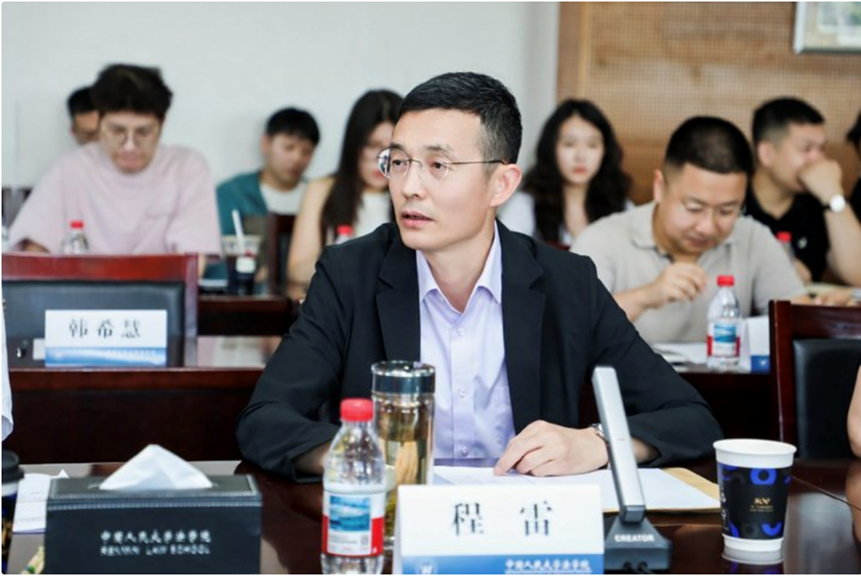
▲Cheng Lei, deputy dean and professor of the School of Law, Renmin University of China
The opening ceremony was hosted by Cheng Lei, deputy dean and professor of the Law School of Renmin University of China. Professor Cheng Lei extended a warm welcome and sincere greetings to the guests attending the meeting, and pointed out that the fourth revision of the Criminal Procedure Law is imminent. The establishment of the "Fourth Revision Series Forum of the Criminal Procedure Law" aims to gather consensus among all parties and promote dialogue and discussion. The seizure, seizure, freezing and disposal of the property involved in the case are the focus, hot spots and difficult issues of this revision of the law. It is necessary to strengthen in-depth research on issues related to the property involved in the case.
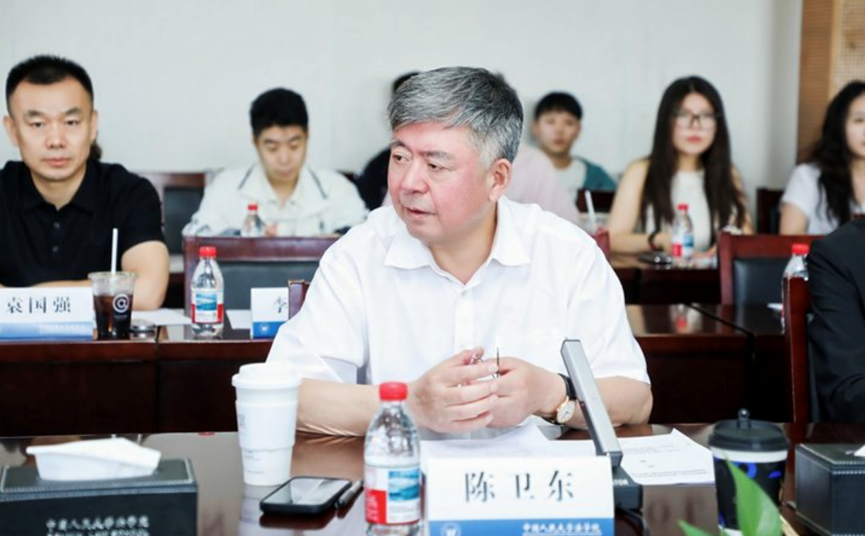
▲Chen Weidong, Director of the Litigation System and Judicial Reform Research Center and Wu Yuzhang Senior Chair Professor of Renmin University of China
Chen Weidong, director of the Litigation System and Judicial Reform Research Center and Wu Yuzhang Senior Chair Professor at Renmin University of China, pointed out in his speech that the current fourth revision of the Criminal Procedure Law has entered a critical stage. The disposal of property involved in the case is not only related to the security of national public property, but also related to the effective protection of the property rights of the parties and interested parties. For a long time, under the influence of the concept of "emphasis on personal rights and light on property rights", my country's criminal proceedings have shown the characteristics of "litigation against persons". A complete litigation procedure in rem has not yet been established for ordinary cases. The disposal of the property involved has become an important issue in the field of criminal justice that needs to be solved urgently. He proposed that the fourth revision of the Criminal Procedure Law should be taken as an opportunity, under the guidance of the principles of proportionality and necessity, to improve the measures for seizure, seizure and freezing, standardize the jurisdiction system, improve the pre-examination and post-relief mechanism, promote the substantive court hearing of the property involved, and explore a binary disposal model in which physical deposits and cash deposits are coordinated. In the future, we should build a system for the disposal of property involved in the case in which multiple entities such as the public security bureau and the law have division of responsibilities, mutual cooperation, and clear rights and responsibilities, and establish a unified, standardized, smooth, and efficient information management platform to continuously improve the standardization and legalization of the disposal of property involved in the case, and promote a new era of criminal litigation system pattern that achieves equal protection of personal rights and property rights.
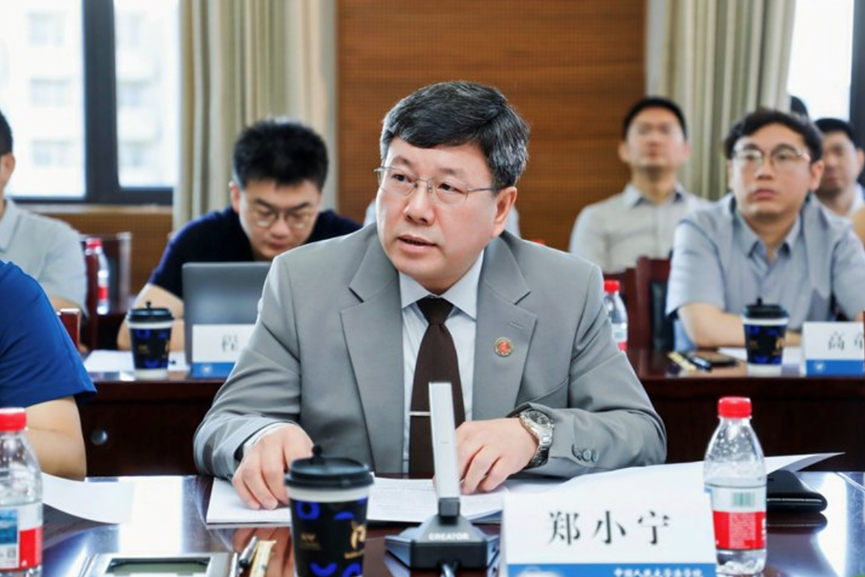
▲Deputy Secretary of the Party Committee and Executive Deputy Director of Jingsh Law Firm, Honorary Director of the Criminal Professional Committee of Jingsh Law Firm (National) Zheng Xiaoning
Zheng Xiaoning, deputy secretary of the Party Committee and executive deputy director of Beijing Jingshi Law Firm, and honorary director of the Criminal Professional Committee of Jingshi Law Firm (National), said in his speech that the issue of property disposal involved in the case is not only related to the protection of citizens’ property rights and corporate property rights, but also to judicial credibility and judicial protection of human rights. This forum conducted in-depth discussions on key and difficult issues in the disposal of property involved in the case, which is of great significance in promoting the revision of the Criminal Procedure Law. It is hoped that the participating experts will have in-depth exchanges on issues such as the definition of property involved in the case, activation and termination procedures, advance disposal and relief mechanisms, form constructive legislative suggestions, and contribute wisdom and strength to improving the disposal system of property involved in the case and promoting the construction of a rule of law in China.
Keynote Speech
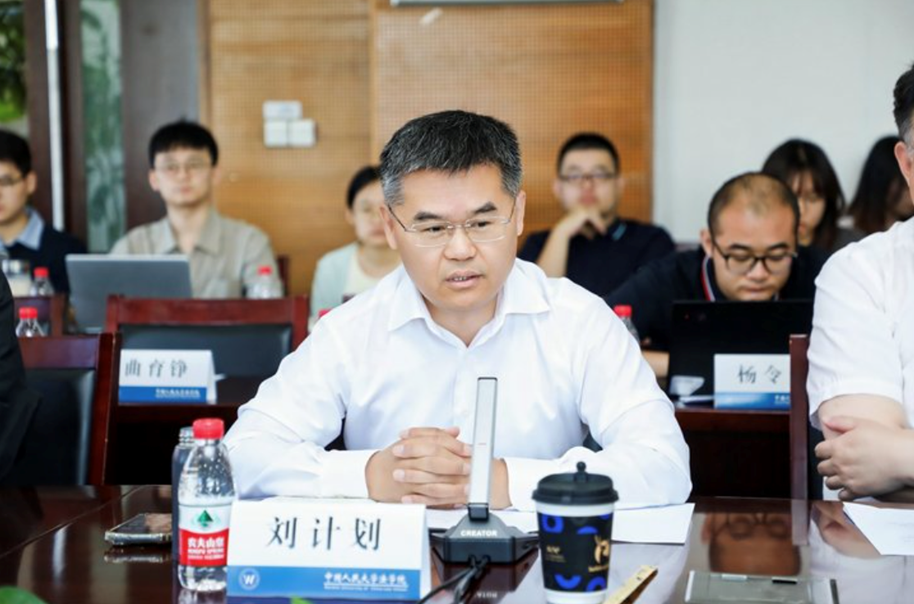
▲Professor Liu Jihua, Renmin University of China Law School
The keynote report session was hosted by Liu Jiji, a professor at the Law School of Renmin University of China.
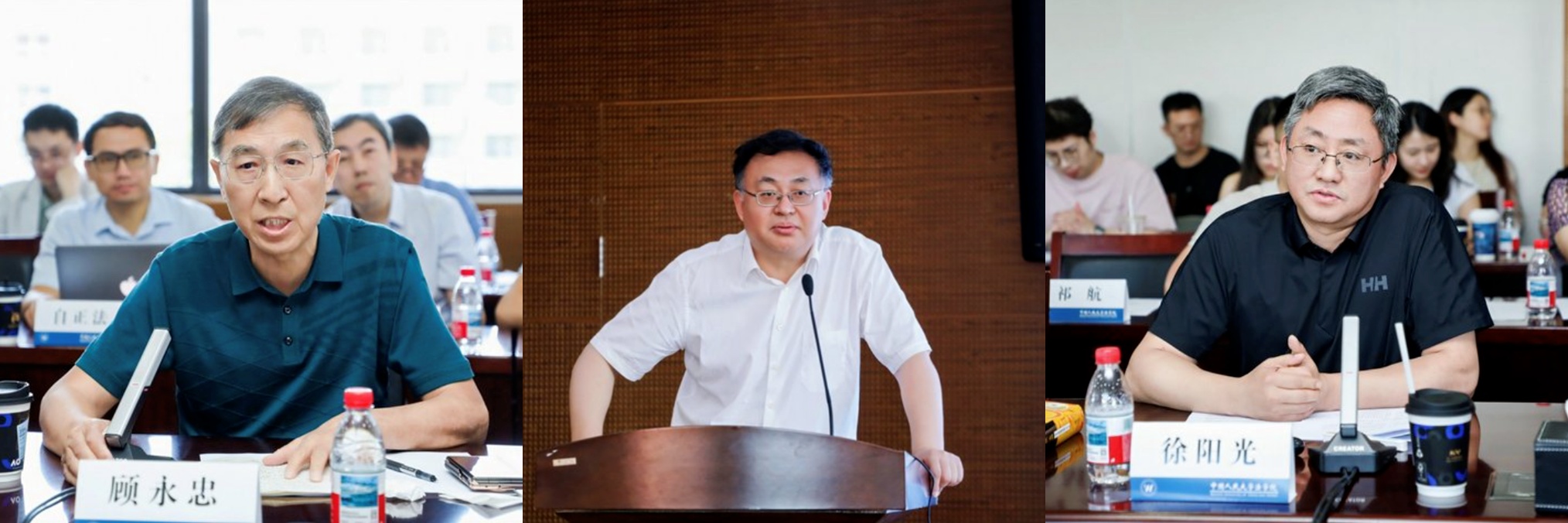
Experts and scholars such as Gu Yongzhong, professor of the Procedural Law Institute of China University of Political Science and Law and director of the Criminal Affairs Committee of the All-China Lawyers Association, Shi Yanan, professor of the Criminal Legal Science Research Center of Renmin University of China, and Xu Yangguang, professor of the Law School of Renmin University of China and president of the Beijing Bankruptcy Law Society, gave special reports respectively.
Theme Seminar
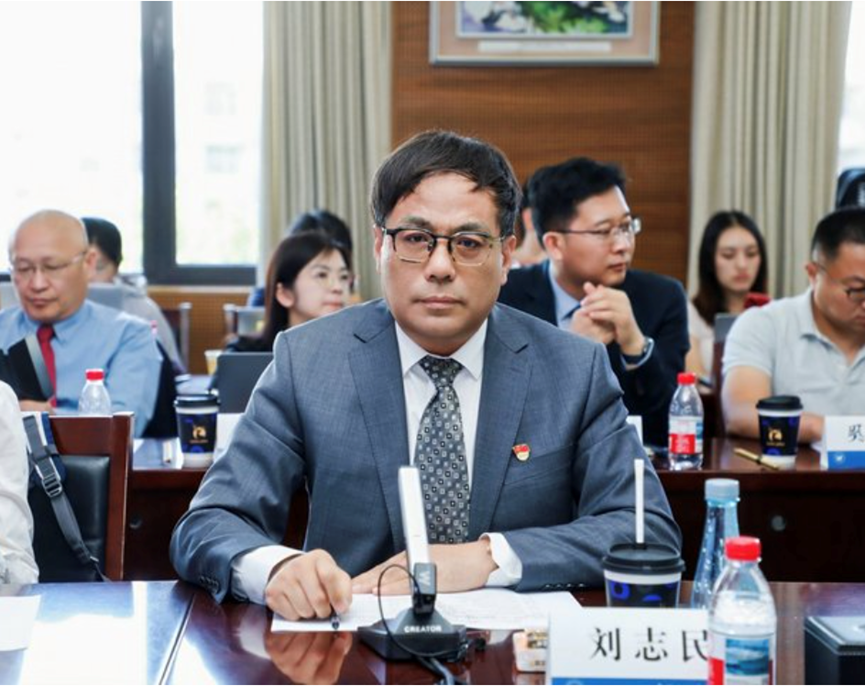
▲Liu Zhimin, Honorary Director of the Criminal Professional Committee of Jingshi Law Firm (National)
The first unit was hosted by Liu Zhimin, honorary director of the Criminal Professional Committee of Jingshi Law Firm (National).
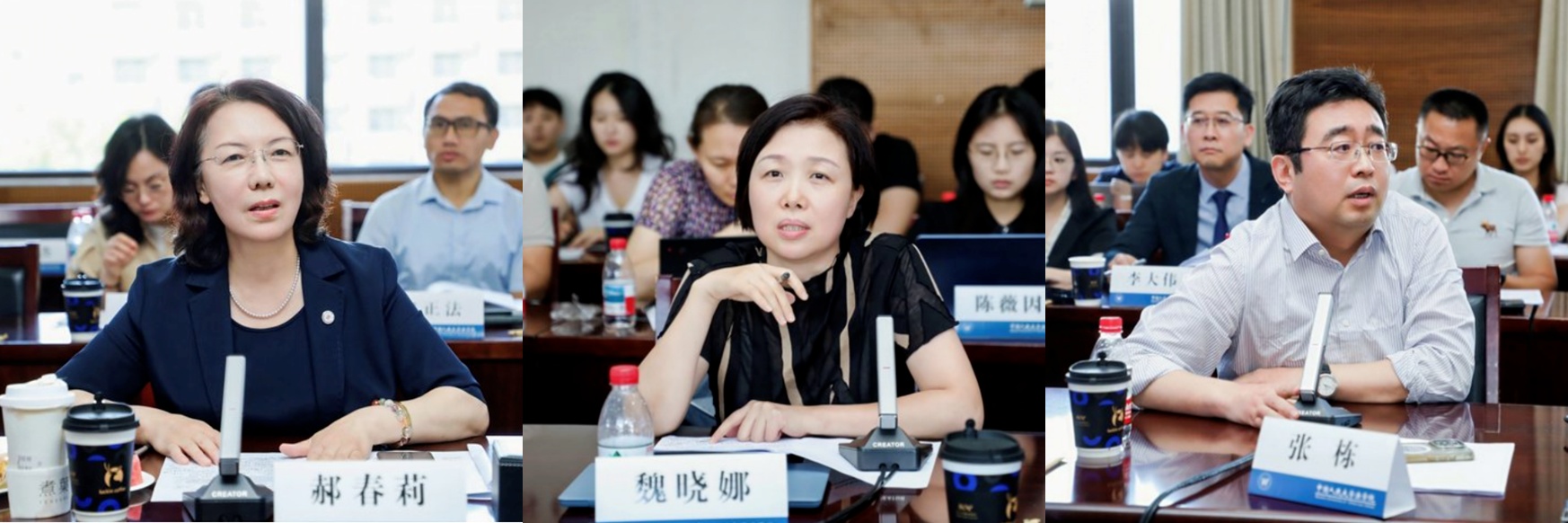
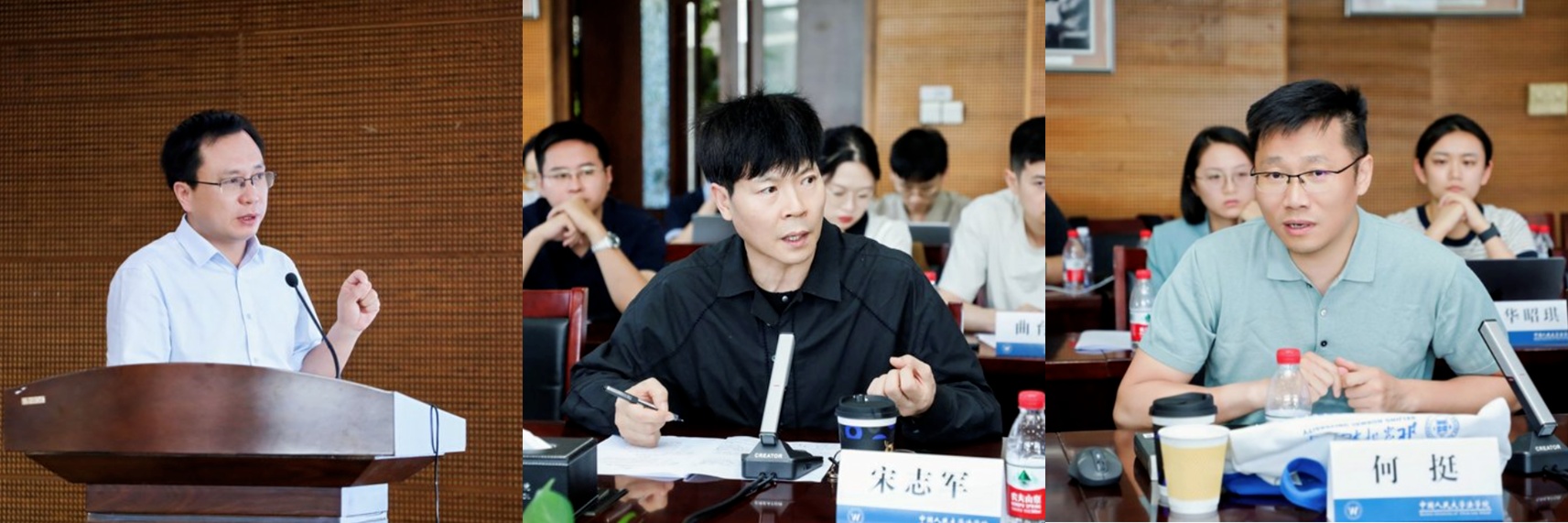
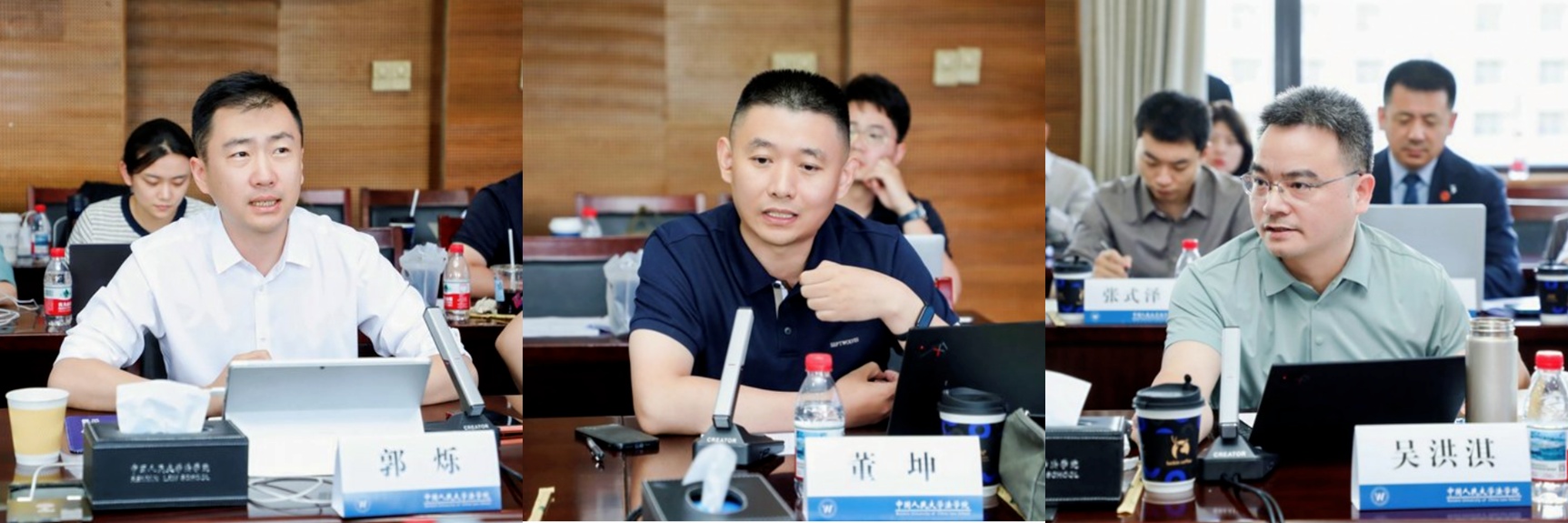
Hao Chunli, director of Beijing Dongwei Law Firm and vice president of Beijing Lawyers Association, Wei Xiaona**, professor at Renmin University of China Law School,Zhang Dong, professor at East China University of Political Science and Law's Criminal Law School,Zhang Jie, dean and professor of the Institute of Digital Rule of Law at Central South University, Song Zhijun, professor at the Criminal Law School of Northw est University of Political Science and Law He Ting, deputy dean and professor of Beijing Normal University Law School, Guo Shuo, dean of the Capital Research Institute/Legislative Research Institute of China University of Political Science and Law and professor of the Institute of Procedural Law,Dong Kun**, researcher of the Institute of Law, Chinese Academy of Social Sciences,**and Wu Hongqi, professor of Peking University Law School, and other experts, scholars and judicial practitioners participated in the discussion.
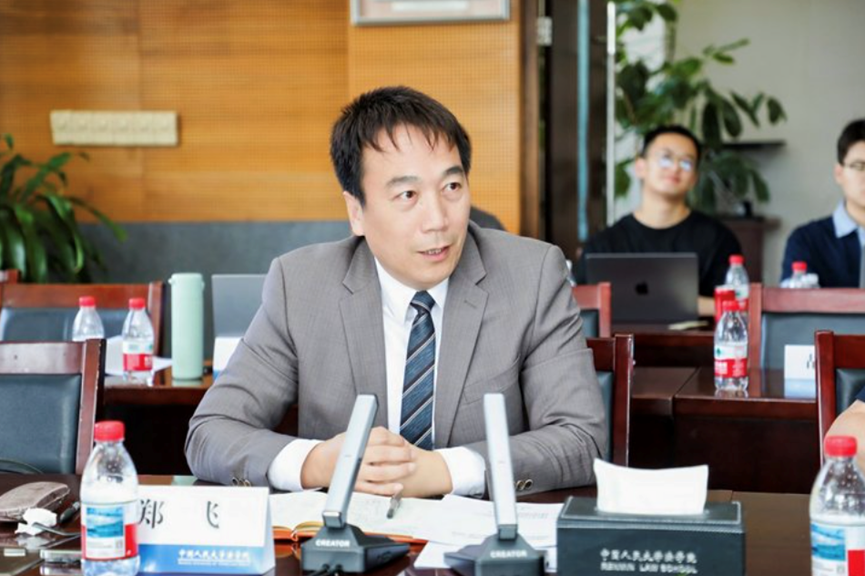
▲Zheng Fei, deputy director of the Criminal Professional Committee of Jingshi Law Firm (National) and associate professor of criminal law at Shanghai University
The second unit was hosted by Zheng Fei, deputy director of the Criminal Professional Committee of Jingshi Law Firm (National) and associate professor of criminal law at Shanghai University.
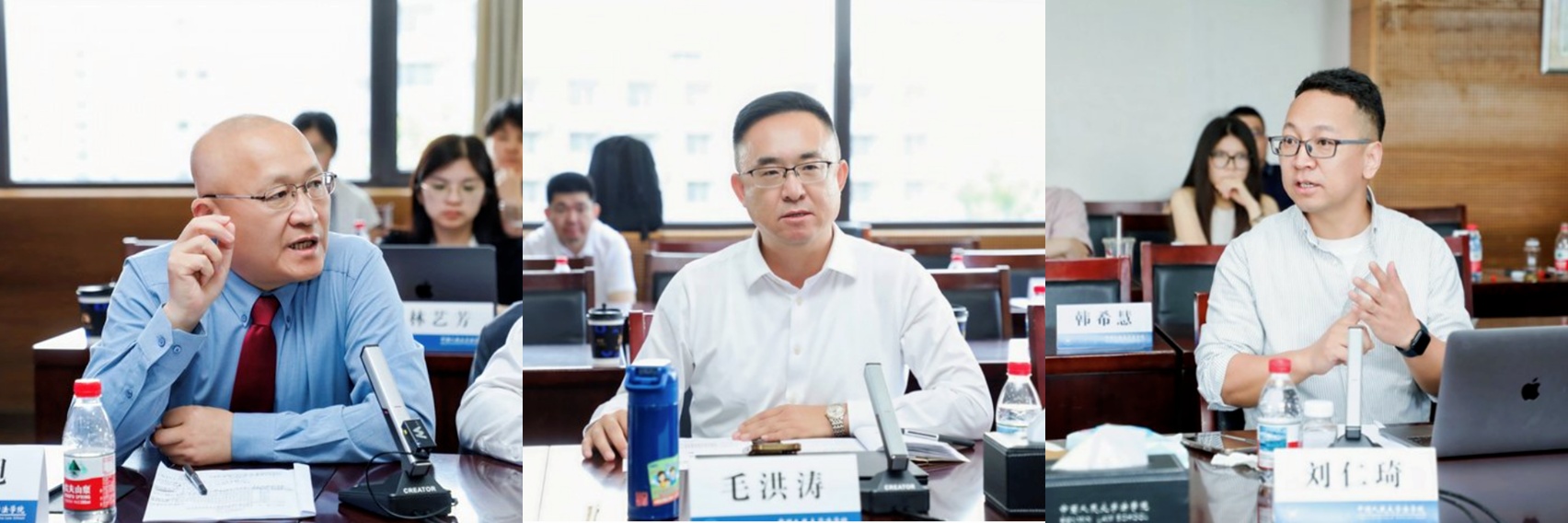
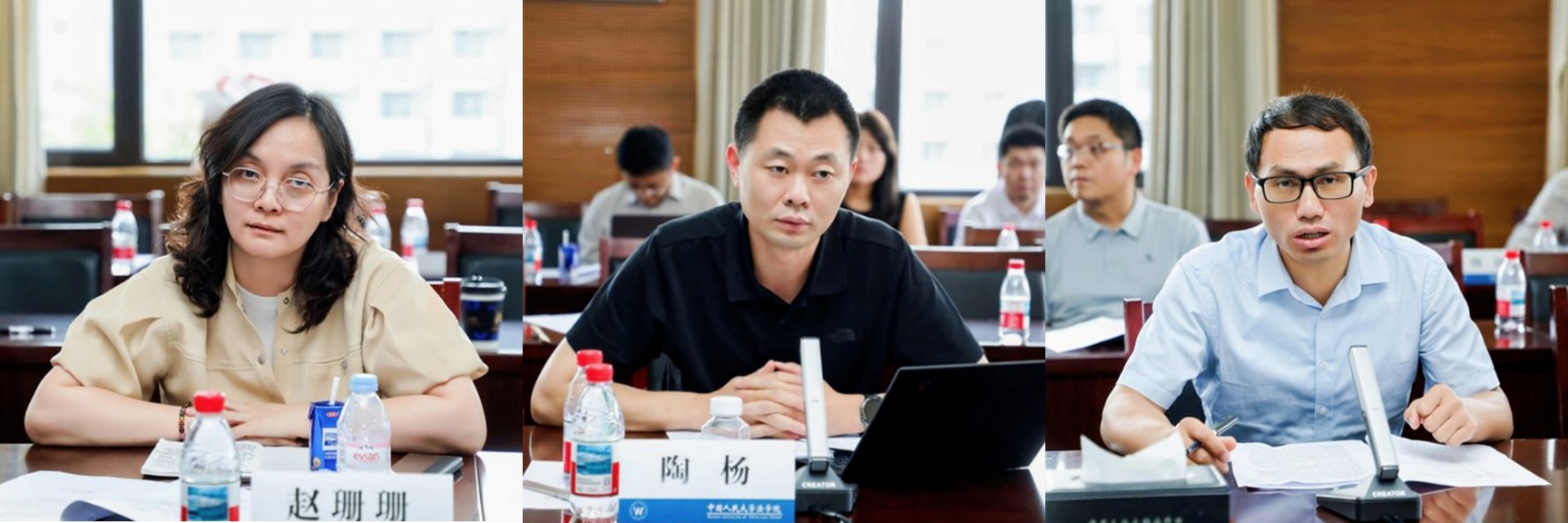
Wang Faxu, honorary director of the Criminal Professional Committee of Jingshi Law Firm (National), Mao Hongtao, managing partner and director of the Management Committee of Beijing Dongwei Law Firm, Liu Renqi, dean and professor of the School of Public Security (Public Security Law School) of Northwest University of Political Science and Law, Zhao Shanshan, associate professor of the School of Criminal Justice of China University of Political Science and Law, Tao Yang, professor of Beijing Jiaotong University Law School, and deputy dean and professor of Zizhengfa, Chongqing University Law School, and other experts and scholars and judicial practitioners participated in the discussion.
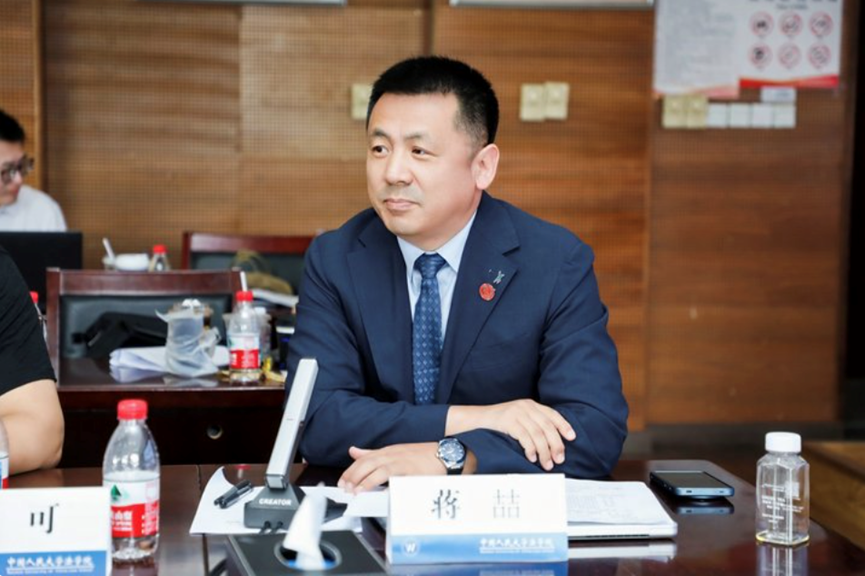
▲Jiang Zhe, deputy director of the Criminal Professional Committee of Jingshi Law Firm (National) and associate professor of Liaoning University of Science and Technology
The third unit was hosted by Jiang Zhe, deputy director of the Criminal Professional Committee of Jingshi Law Firm (National) and associate professor of Liaoning University of Science and Technology.
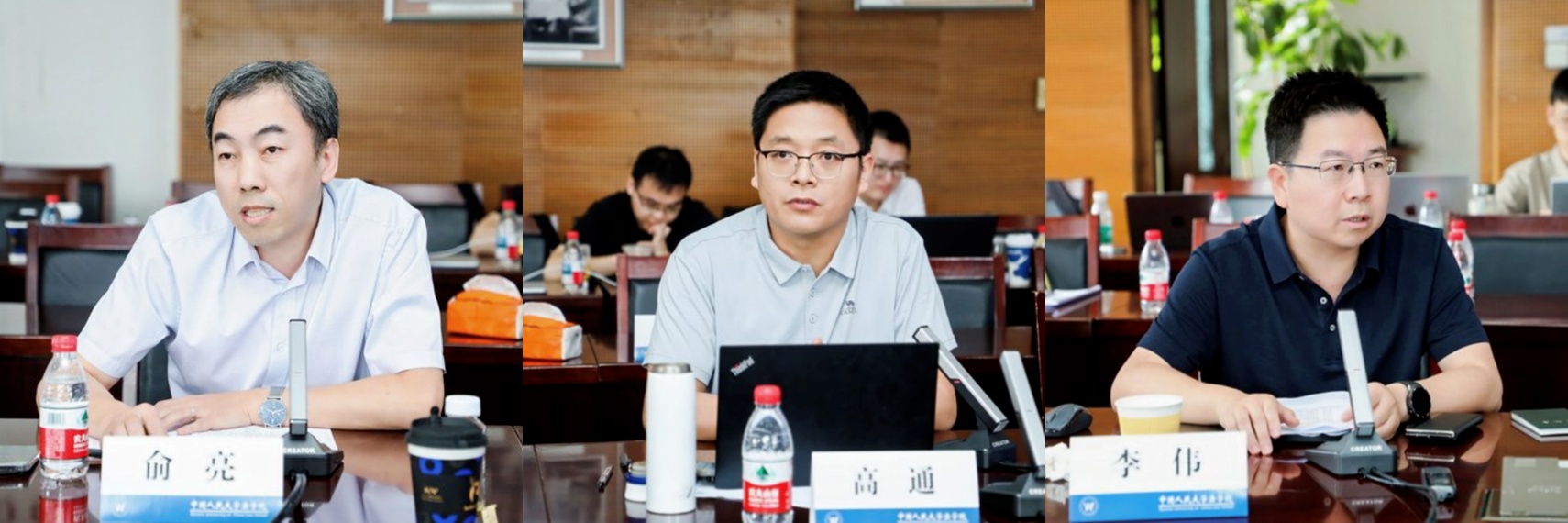
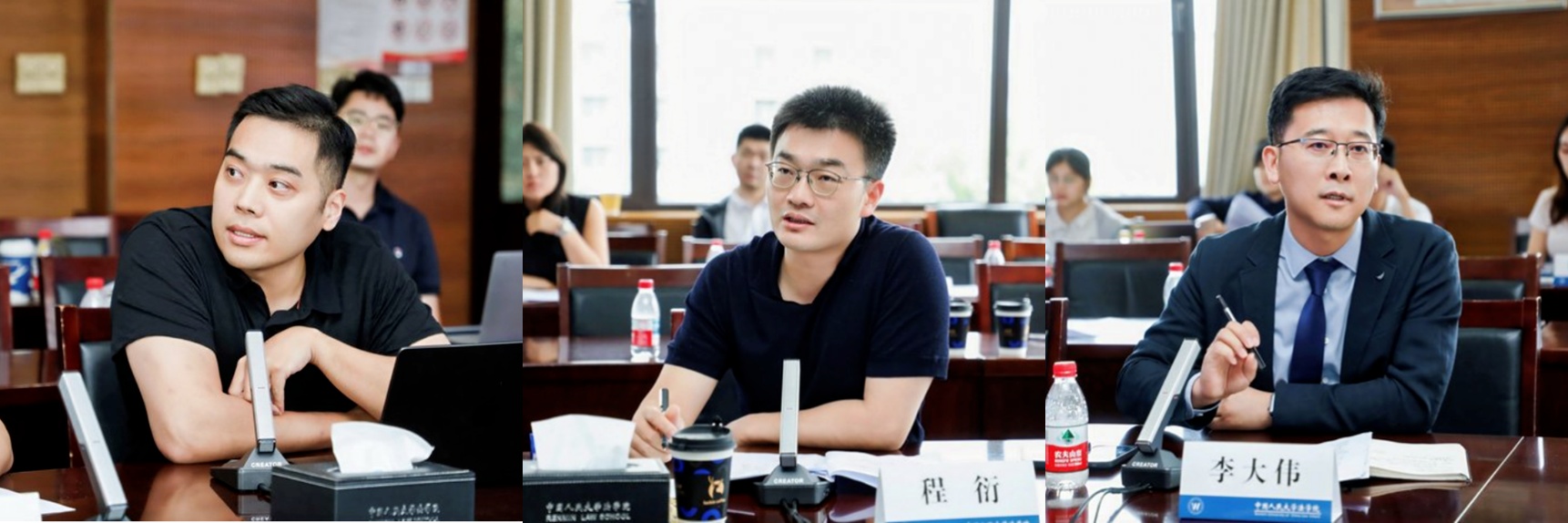
Experts, scholars and judicial practitioners including Yu Liang, a professor at Beijing Technology and Business University Law School, Quotong**, a professor at Nankai University Law School,Li Wei, an associate professor at the Central University of Finance and Economics School of Law, Zhang Ke, an associate professor at the School of Criminal Justice of China University of Political Science and Law, Cheng Yan, an associate professor at the Criminal Law School of East China University of Political Science and Law, and Li Dawei, deputy director of the Criminal Professional Committee of Jingshi Law Firm (National), participated in the discussion.
Meeting Summary
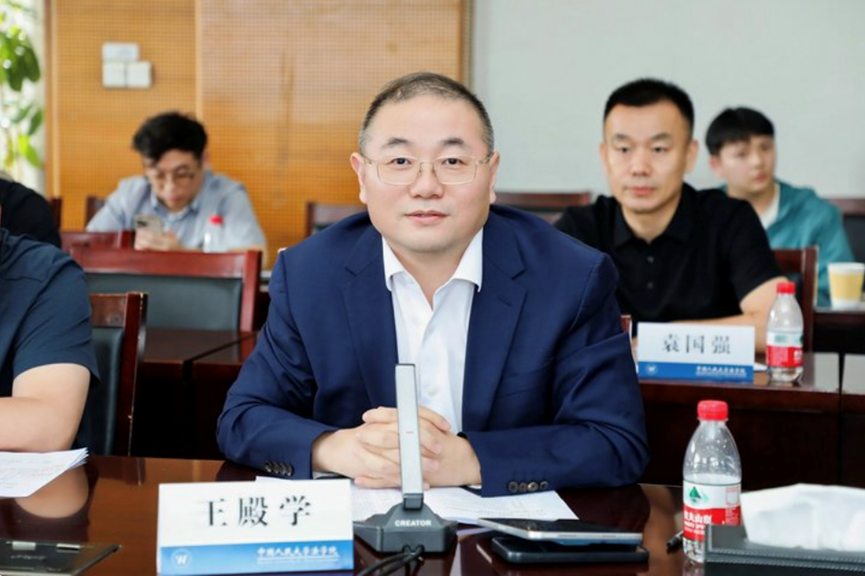
▲Wang Dianxue, Director of the Criminal Professional Committee of Jingshi Law Firm (National)
The summary of the meeting was chaired by Wang Dianxue, director of the Criminal Professional Committee of Jingshi Law Firm (National).

▲Du Lei, associate professor at Renmin University of China Law School
Du Lei, associate professor of the School of Law at Renmin University of China, made a concluding speech at the conference. He spoke highly of the value of the results of this seminar, pointing out that this seminar focused on the core issue of property involved in the revision of the Criminal Procedure Law, and conducted in-depth discussions around its significance, complexity, comprehensiveness and outstanding features, forming a series of important understandings and useful consensus. Relevant research results are worth further summarizing and condensing to provide legislative reference for the revision and improvement of the Criminal Procedure Law.