
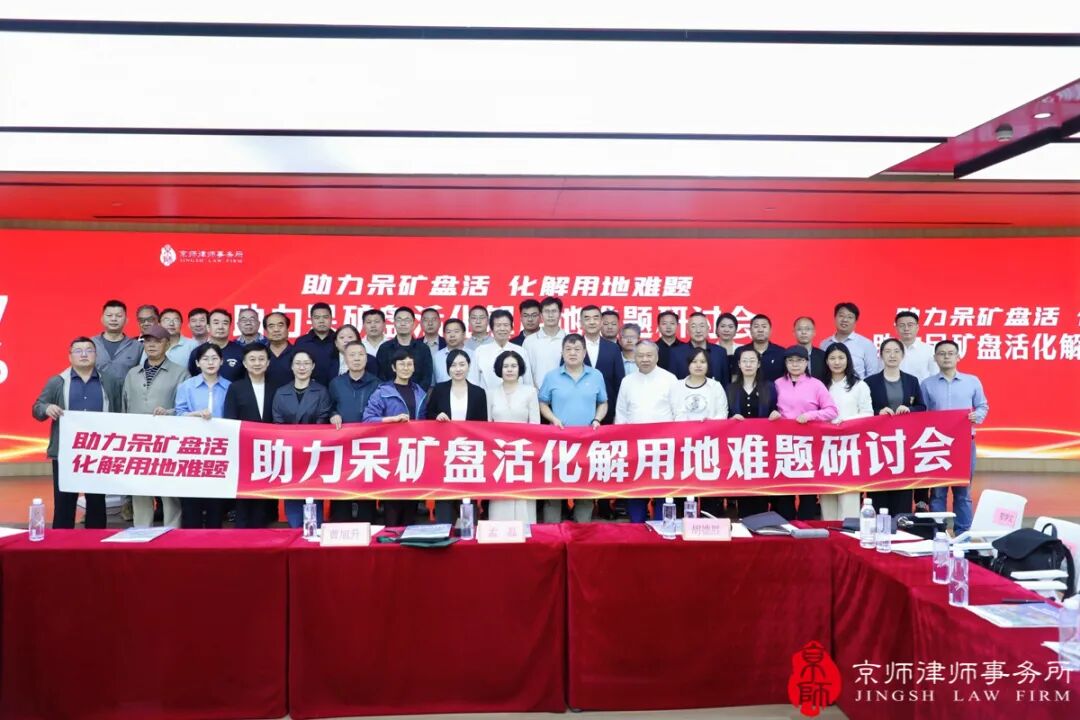

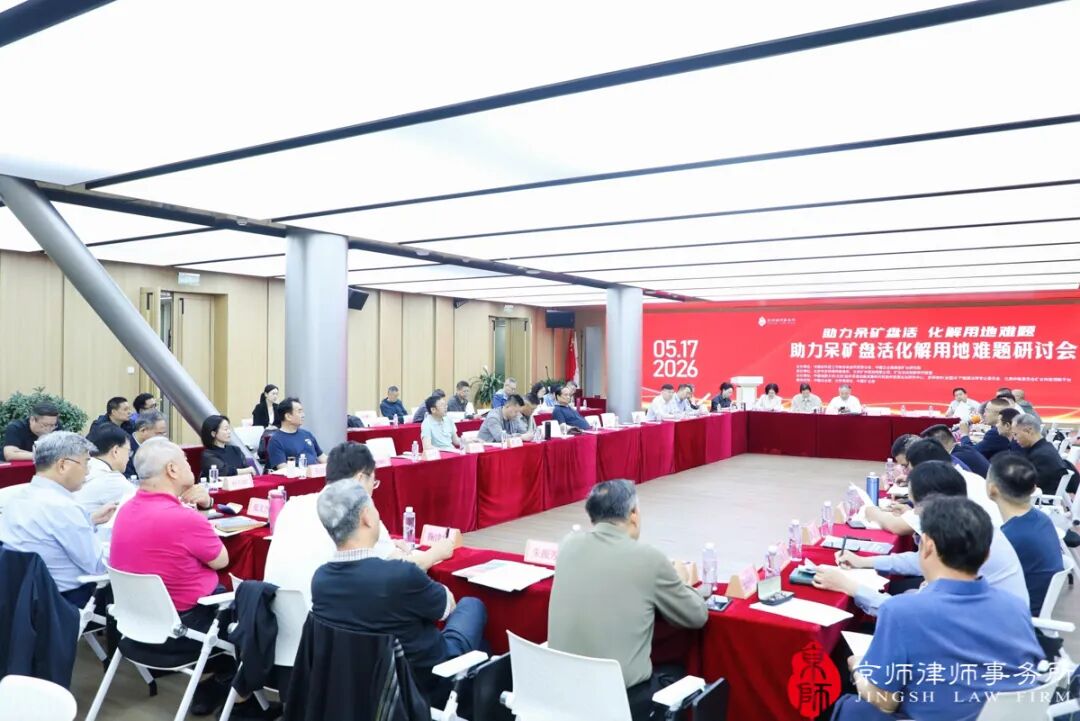
In order to deal with practical problems such as the revitalization of "dead mines" and the difficulty of mining land under the background of the restructuring of my country's mining and ecological environment legal system, to further coordinate resource development and ecological protection, and promote the high-quality and sustainable development of the mining industry, on the morning of May 17, **assisted the revitalization of dead mines and resolved land use problems!**The seminar to help revitalize dead mines and resolve land use problems was successfully held in the lecture hall on the first floor of Jingshi Lawyers Building.
This seminar is co-organized by the Natural Resources Branch of China Veterans Science and Technology Workers Association and the Mining Research Institute of China Enterprise News Group, and is co-organized by Beijing Jingshi Law Firm, Beijing Kuangye Consulting Co., Ltd., and the Mining Legal Innovation Research Alliance, and co-organized by the Mineral and Energy Law Professional Committee of Jingshi Law Firm (National), the Natural Resources Rule of Law Research Center of the Natural Resources Strategic Development Institute of China University of Geosciences (Beijing), and the Mining Arbitration Mediation Platform of the Beihai Arbitration Commission. More than 90 people from mining administration departments, mining associations and think tanks, universities, democratic parties, mining companies, mining service organizations, media, bar associations and mining lawyers from many places, and colleagues from the capital attended the meeting. The meeting was chaired by Cao Xusheng, director of the Mineral Energy Law Professional Committee of Jingshi Law Firm (National), executive director and chief researcher of the Mining Research Institute of China Enterprise News Group, and researcher of the Natural Resources Law Research Center of China University of Geosciences (Beijing).
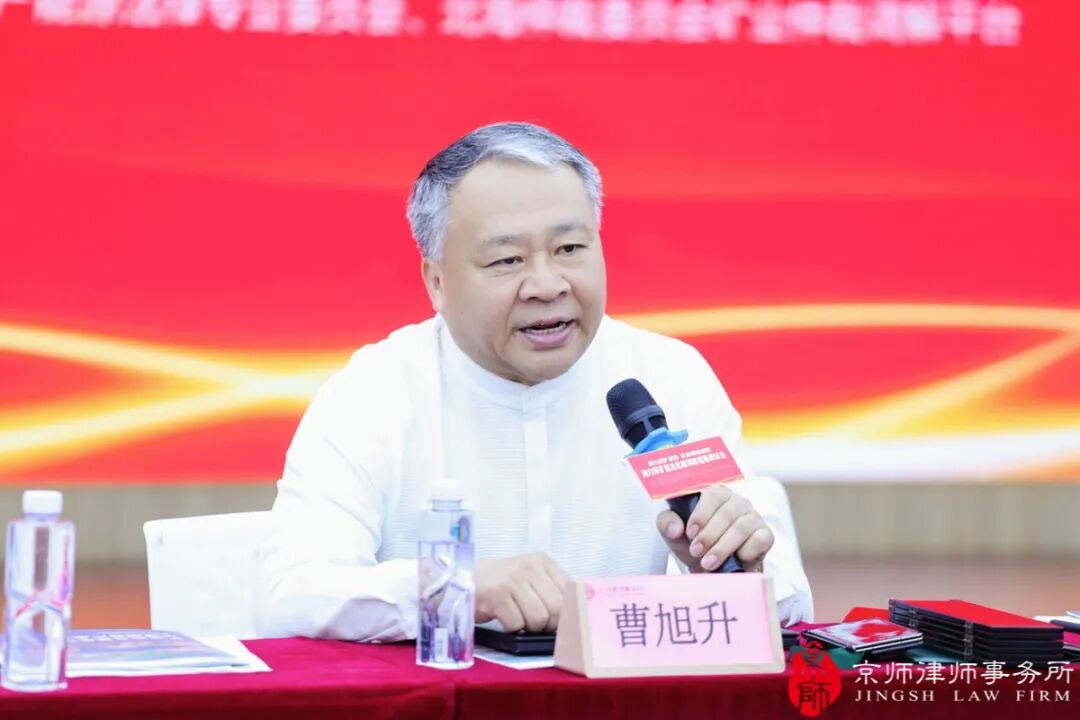
🔺Moderator: Cao Xusheng, director of the Mineral Energy Law Professional Committee of Jingshi Law Firm (National), executive director and chief researcher of China Enterprise News Group Mining Research Institute, and researcher of the Natural Resources Law Research Center of China University of Geosciences (Beijing)
At the beginning of the meeting, lawyer Cao Xusheng said that this meeting focused on key issues such as the revitalization and utilization of "dead mines" and "dead mines" and the guarantee of mining land. It aimed to promote the efficient utilization of mineral resources and the high-quality development of the mining industry through a combination of policy research, technical support and legal guarantees. He pointed out that in the next stage, we will continue to carry out in-depth special research on the direction of "turning dead mines into active mines to help rural revitalization and county economic development" and the improvement of the mining land system. He said that after the "Regulations on the Implementation of the Mineral Resources Law" are officially released, special learning and research will be organized in a timely manner, and combined with the actual problems of enterprises in mineral rights extension, mining land, etc., to further promote the understanding and practical application of relevant policies.
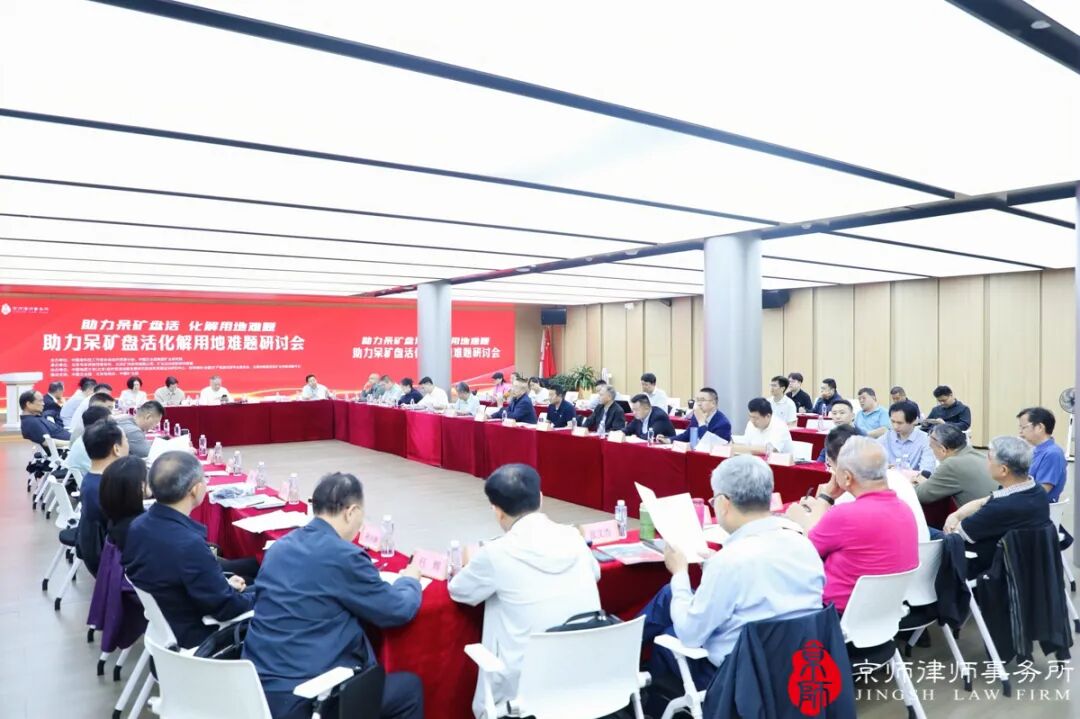
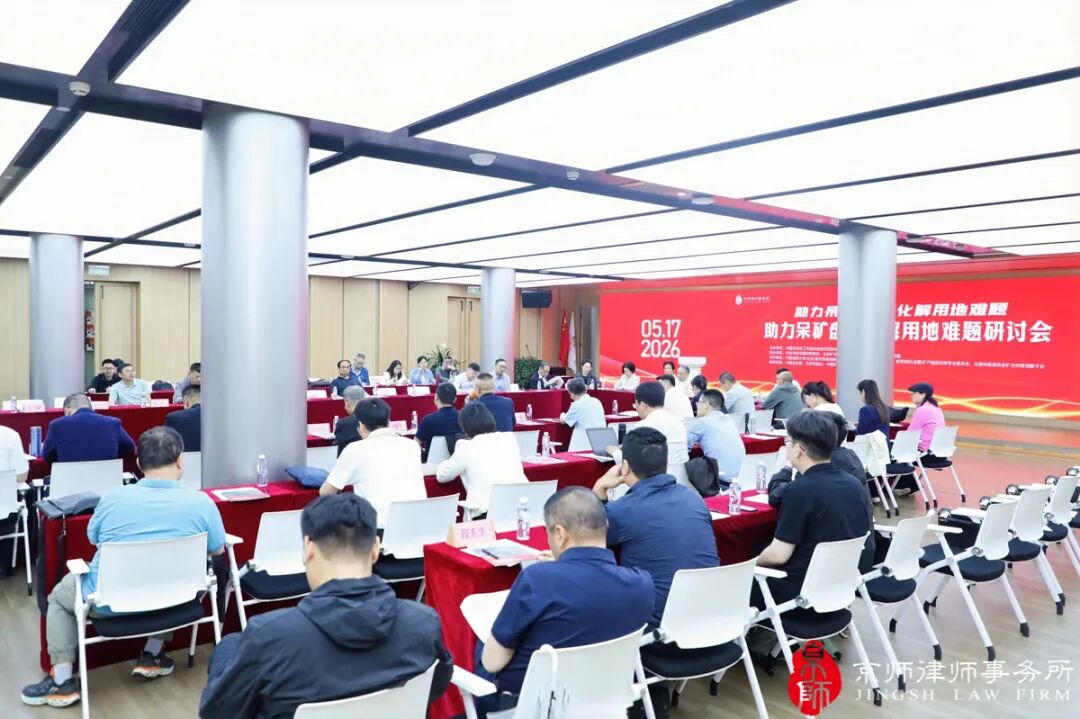
🔺Conference site
A representative of a central enterprise present at the meeting said that the company has long faced the historical problem of "legal mines, illegal land" in Huaihua area, Hunan. He believes that this problem is directly related to the past system design. Local governments grant rights on behalf of the state in the transfer of mineral rights, and assume regulatory responsibilities in land law enforcement. This creates an institutional contradiction between the role changes, which ultimately leads to the development dilemma of enterprises. He emphasized that the formation of relevant issues has an obvious historical background, and government departments should actively act to promote policy convergence and problem resolution, consistent with the institutional spirit of the newly revised Mineral Resources Law, and effectively protect the legal land use rights of mining rights holders.
Another representative of a central enterprise said that due to the impact of historical land use issues, the company is currently unable to handle relevant land use approval procedures in accordance with current policy requirements. Affected by this, the relevant local departments continue to raise objections to the extension of the mining area on the grounds of land use issues, resulting in delays in the extension of mining rights, which has become a key obstacle restricting the company's normal operations and subsequent development. He pointed out that the failure to properly resolve related issues for a long time not only increased the company's compliance operation costs, but also affected the company's subsequent resource development planning and the continued and stable advancement of regional mining projects to a certain extent.Shaanxi private enterprise representatives expressed high recognition of the relevant policies of the Ministry of Natural Resources to promote the resumption of production of suspended mines. He believes that this policy is not only conducive to revitalizing the country's mineral resources, but also effectively helps many private mining companies restore their production and operation vitality. He pointed out that promoting the resumption of work and production in old mines can not only drive employment in mining areas and stabilize people's livelihood, but also help activate the market for mining machinery and second-hand equipment, injecting impetus into the growth of local economy and fiscal revenue. As a grassroots mining practitioner, he hopes that relevant departments will pay more attention to the practical demands of front-line enterprises and increase policy promotion and implementation.
Guangzhou mining lawyer representativestated that some recent heavy metal lead-zinc-silver mine projects in Guangdong Province have faced greater resistance in the environmental protection approval process. Many private enterprises that have obtained mining licenses and mining rights certificates still have the problem of slow environmental impact assessment approval. He pointed out that such problems are often not purely technical issues, but involve multiple factors such as ecological protection red lines, land use indicators, public welfare forest protection, drinking water safety and public environmental complaints. We should systematically sort out the reasons for obstacles to approval, distinguish different policy restrictions, and actively explore legal, efficient, and sustainable mining development paths based on practical experience in land demolition, ecological restoration, and environmental compliance.
🔺Conference site
A representative of a mining service organization in Beijing said that currently, of the approximately 43,000 mineral rights in the country, only more than 5,500 meet the current green mine standards. A large number of mines are difficult to develop and utilize normally due to issues such as regulatory compliance, exploration results, and funding. He suggested that the industry should form independent research topics around relevant issues and establish a more efficient government-enterprise communication mechanism. At the same time, enterprises can also use state-owned assets platforms and local coordination mechanisms to jointly carry out demonstrations of environmental protection, mining and ecological restoration plans, and promote the formation of a win-win development pattern for the government, enterprises and the public. It believes that such problems are common across the country and urgently need to be jointly studied and solved by the legal and mining communities.
A representative of a mining lawyer in Shanxi stated that the integration of iron ore resources in Xinzhou, Shanxi has achieved initial results, with the current integration ratio reaching 52%. According to the relevant access standards of the Shanxi Provincial Department of Natural Resources, iron ore projects need to meet the basic requirements of an annual output of 300,000 tons and reserves of more than 10 million tons. However, although the remaining mines have certain reserves and higher grades, they still fall into a "dead ore" state because they do not meet the access standards. He pointed out that with the implementation of the new Mineral Resources Law, mining licenses have gradually transformed into real estate rights attributes, and the property rights protection attributes of mineral rights have become more clear. How to activate mining assets that have resource value but do not meet the access conditions in accordance with the law has become an important issue in the current mining legal construction.
A representative of a state-owned enterprise in Shandong said that as a listed local state-owned enterprise, the company faces many practical challenges in the process of resource success ion. With the gradual decline of existing resources, how to find high-quality projects with reasonable prices and rapid revenue generation in the secondary market has become a common concern in the industry. He pointed out that due diligence requirements for state-owned enterprise projects are extremely strict, and issues such as mine cover and land defects are often “red line” matters in lawyers’ due diligence reports. Especially when it comes to leasing farmers' land, if there is a lack of clear and feasible solution expectations, it will not only be difficult to pass the review of superiors and state-owned assets supervision, but may also have an adverse impact on the subsequent information disclosure of listed companies and the interests of investors.
Representative of a commercial mediation agency in Beijing stated that the company has currently established 13 mediation centers in the national court system and has long been involved in resolving disputes related to the mining field. He pointed out that in the process of mining development, conflicts such as mining accidents and cemetery disputes are relatively common. The company pays more attention to promoting the substantive resolution of conflicts through a third-party neutral mediation mechanism and strives to achieve**"case closed"**. The mediation team is usually composed of legal professionals, psychological counseling experts and experts in the mining field. It not only improves the efficiency of dispute resolution, but also effectively reduces the pressure of litigation. He believes that diversified mediation mechanisms have become one of the important ways for the country to promote the modernization of social governance.
A representative of a mining lawyer in Hebei Province pointed out based on actual cases that some companies hope to apply for restoration and renewal after the exploration rights have been cancelled. However, the restoration issue after cancellation is not a simple procedural issue, but a major legal problem involving multiple factors such as administrative licensing, rights protection, and policy application. It is urgent to form a clearer solution mechanism through institutional research and practical exploration. She believes that in the context of the current continuous improvement of the mining legal system and the continuous deepening of the reform of mining administration, how to balance the maintenance of resource development order and the protection of the legitimate rights and interests of mining rights holders has become an important topic worthy of focus in the practice of mining rule of law.
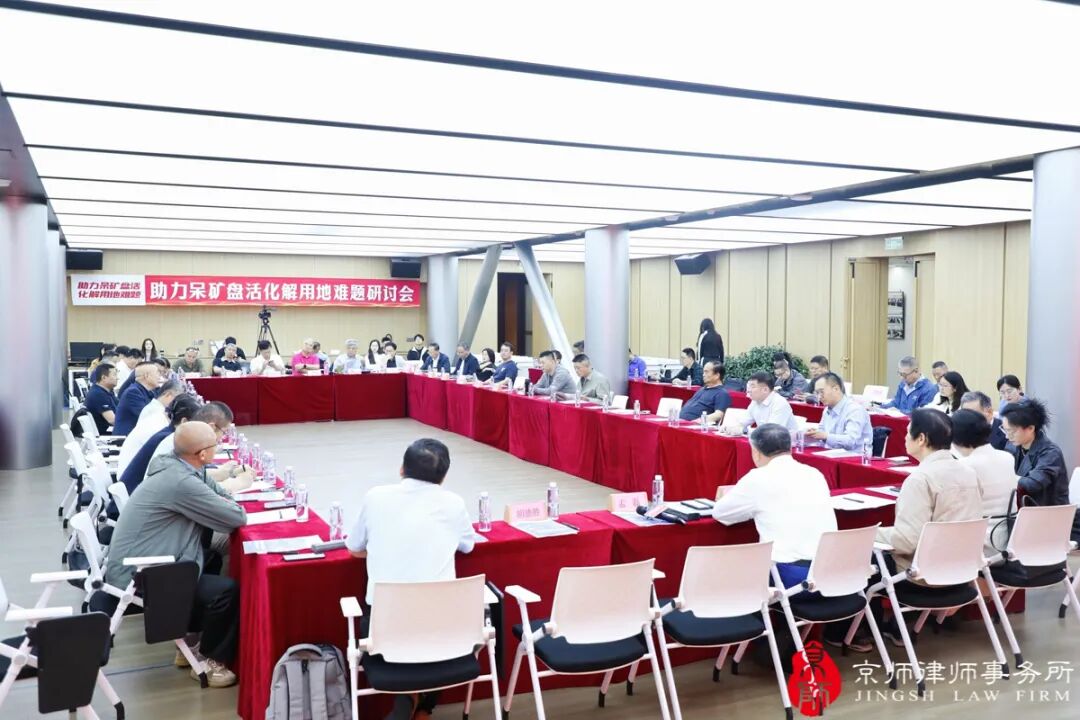
🔺Conference site
Mining management expert said that the core problem currently faced by mining land is not the lack of willingness of enterprises to solve the problem, but how to accurately identify and sys tematically solve various practical blocking points. He pointed out that factors such as lack of planning, restrictions on permanent basic farmland, management and control of nature reserves, and policies on land acquisition and temporary land use are all key obstacles in the current use of mining land. In response to the problem that it is difficult to accurately predict the location of mining land in advance in territorial spatial planning, he suggested that the problem should be flexibly solved through annual assessment and adjustment of the plan, including inclusion in the list of key projects, and encouraged enterprises to refine the types of problems, integrate policy resources, and use the power of professional teams to find practical implementation paths from the "policy combination."
Mining think tank expertsaid that my country's current mineral resource supply guarantee system has developed strong resilience, and the construction of the national resource security system continues to progress. He pointed out that the problem of "dead mines" is a prominent problem in current mine management. It needs to be classified and judged in an objective and rational manner, and different causes such as technology, economy and policy should be scientifically distinguished to avoid simplistic treatment. At the same time, he suggested that legal teams and consulting agencies should expand their professional service space around the mining field and form a "diagnosis-advice-disposal" integrated service model through case diagnosis, policy coordination and compliance guidance to better support the high-quality development of the mining industry.Reserves management expert said that in recent years, the central government has attached great importance to the issue of mineral resource security. Mineral resources have been positioned as"an important material basis for economic and social development"and"an important strategic resource related to the national economy, people's livelihood and national security". He pointed out that although the new Mineral Resources Law and supporting implementation regulations have been promulgated one after another, companies still face many pain points and blockages at the practical level such as land use, planning, approval and department coordination. He emphasized that problems should be systematically sorted out, causes should be analyzed in depth, and policies should be implemented in categories. We should not only focus on improving policy formulation and implementation, but also pay attention to the company's own capacity building, and promote the continuous optimization of the system by summarizing common laws.
Geological exploration management expertsaid that the causes of the "dead mine" problem are complex, and the solution process should be coordinated and promoted as a systematic project.From the perspective of the external environment,constraints such as mining rights settings, multi-department management, industrial policies and local investment environment are gradually improving with the institutional reform; From the perspective of the enterprise itself, mining enterprises should also establish a green, intensive and safe development concept, continuously improve management, technology and financial capabilities, while rationally viewing the operating pressure caused by resource conditions and market fluctuations. He emphasized that in order to revitalize "dead mines", we must adhere to seeking truth from facts and analyzing specific problems in order to truly find a development path that is consistent with reality.
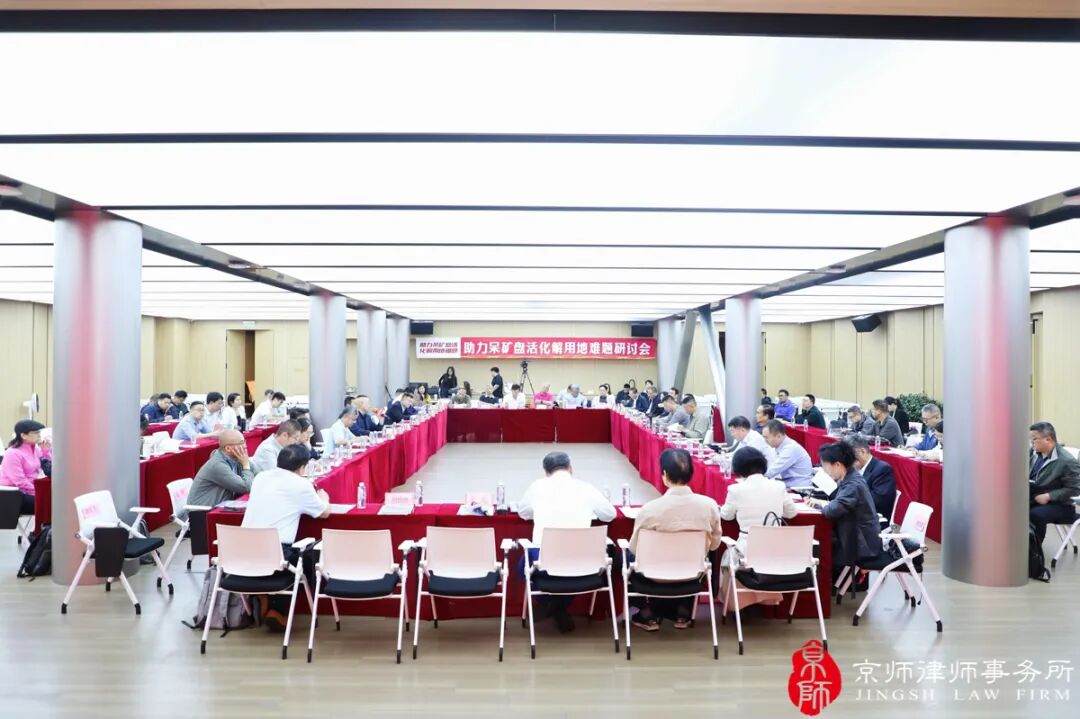
🔺Conference site
Mining management expert said that the development and utilization of mineral resources are jointly affected by multiple factors such as national technology, economy, policy and environmental factors. To revitalize "dead mine" resources, it is necessary to understand the bottom line, accurately identify problems, and make overall arrangements from the national resource strategy level. He pointed out that the current “difficulty in land use” problem that mining companies are generally concerned about is essentially closely related to institutional factors such as land use control, construction land quota control and expropriation system. In response to the problem of illegal land use left over from history, he suggested that it should be classified and dealt with according to the law within the framework of territorial spatial planning, and that the problem of mining land should be gradually and properly solved through strengthening research, active coordination and seeking government support.Geological exploration fund management expertsaid that**the causes of idle mineral rights should be systematically sorted out, and different situations such as the government not allocating mineral rights and companies holding mineral rights but unable to develop should be distinguished, and classified research should be carried out to implement precise policies. He pointed out that the phenomenon of "dead mines" has a certain objectivity and stage in the development process of the mining industry. Enterprises and legal service agencies should strengthen their research and judgment on resource attributes and development trends, accurately identify which resources are natural exits under market and policy adjustments, and which ones still have room for revitalization and rescue. Investors should also establish long-term strategic awareness and risk prediction capabilities. He suggested that we should actively explore reasonable and feasible ways to revitalize "dead mines" by combining national strategies, industrial policies and market environment dynamics.Mine safety management expert said that the current trend of continued decline in the number of mineral rights in the mining field deserves great attention. He suggested that the reduction of mining rights of state-owned, central-owned enterprises, local state-owned enterprises and private enterprises should be further broken down, and systematic research should be carried out by institutions such as China University of Mining and Technology, China University of Geosciences and the Chinese Academy of Engineering. At the same time, he pointed out that "dead mines" and "dead mines" should be treated differently, and "dead mines" can be further classified and graded to explore differentiated revitalization paths. He believes that revitalizing dormant mineral resources is not only related to social issues such as employment and capital, but also related to economic growth and industrial layout, and is of great significance to the high-quality development of the mining industry in the future.
This meeting carried out in-depth exchanges on key issues such as the revitalization of "dead mines", mining land, mineral rights extension, and ecological compliance. It gathered consensus from all walks of life and provided useful ideas and practical reference for promoting legalization, standardization, and high-quality development in the mining field. In the future, Jingsh Law Firm will continue to play its role as a professional platform and resource integration, deepen research and practice in the fields of mineral resource development and utilization, mining land compliance, ecological environment protection and mining dispute resolution, and contribute to the promotion of mining legal construction and resource security.
Scene photos
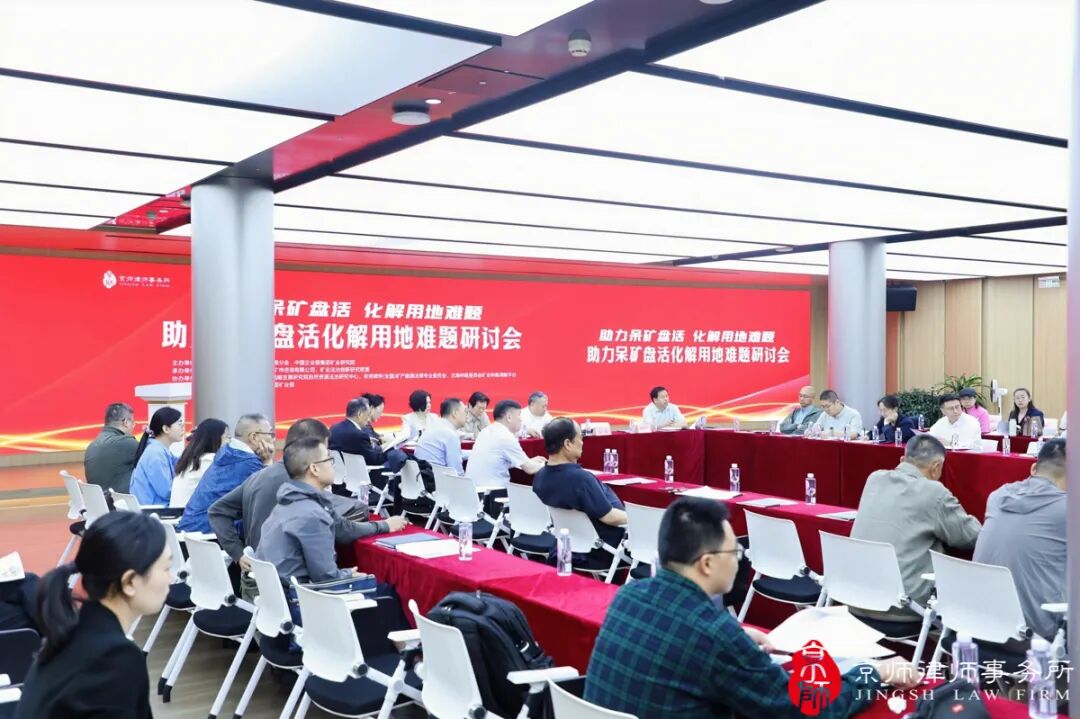
As the leader and author of the research team, Lawyer Cao welcomes all walks of life to continue to pay attention to and offer suggestions on the issue of revitalization of dead mines and mining land. He also hopes that mining administrative agencies, mining think tanks, mining companies, mining service agencies, and mining lawyers will provide the research group with corresponding cases related to the revitalization of dead mines and mining land, and jointly promote the research on the revitalization of dead mines and mining land.
Case collection email: [email protected]
Case collection WeChat: 13311230321
News|Wang Jingwen
Photography|Tian Lang
Editor|Wang Yanyang



Recommended Reading
Seeking roots in Jinggangshan and building souls on the road to rule of law | Party member training at Jingshi Law Firm is heart-warming and inspiring
Riding the horse to ride the wind, the new chess game is "Qiong"! Jingshi Sanya Branch was officially approved to be established
Deeply cultivate ASEAN and settle in the Lion City! Jingsh Law Firm’s Singapore Cooperation Office was officially approved to be established
The non-prosecution case for illegal business crimes and trust crimes, in which Beijing lawyer Wang Dianxue participated in the defense, was included in the 2026 Supreme People's Procuratorate work report
Jingsh Law Firm was selected into the "Guidelines for Excellent Brand Influence of Law Firms (2025)" by Lux News and won 3 awards
The rule of law is like the sun, and travelers have no boundaries - a heart-warming journey in 2025 of the "Rule of Law Sunshine Sowing Plan" of the Jingshi Rule of Law Public Welfare Special Fund
Dive deep, jump up, and climb to the top! The 2026 Jingsh Law Firm (National) Criminal Professional Committee Board of Directors Meeting was successfully held