

Lawyer Wang Chaoyong has been focusing on the field of false litigation management for a long time. He has not only handled a large number of major, new, difficult and complex cases in practice, but also made fruitful achievements in theoretical research. As the executive director of the False Litigation Governance Research Center of Renmin University of China, he led a team to systematically sort out the evolution patterns and identification standards of false litigation, published a number of practical monographs, and provided strong professional support to judicial authorities, fellow lawyers and victimized companies.
False lawsuits, commonly known as "anti-fake lawsuits", refer to parties who maliciously collude or unilaterally fabricate facts and forge evidence to file civil lawsuits in court in order to illegally misappropriate other people's property or evade legal debts. This kind of behavior not only infringes upon the legitimate rights and interests of real creditors, but also seriously wastes judicial resources, disrupts trial order, and damages judicial authority. In recent years, as the downward pressure on the economy has increased, some companies and individuals have continued to innovate their methods to escape debts, from traditional "hand-in-hand" false litigation to covert operations using procedures such as execution objections, labor arbitration, and bankruptcy declarations, and even formed professional and organized criminal chains.
**How harmful is the act of evading debt?**Debt evasion, simply put, is the act of not doing your best to fulfill your debts despite having the ability to do so. In practice, criminals transfer all the property by registering "shell companies", forging related transactions, fabricating employee wages, and fabricating execution objections, leaving behind a mess with "no property for execution." The creditor won the case but got no money, and the court decision was reduced to a dead letter. The 2025 work report of the Supreme People's Procuratorate shows that procuratorial organs across the country supervised and corrected 573 false lawsuits throughout the year; the Zhenping County Procuratorate of Henan Province cleared 107 "shell companies" built to evade debts in a special operation. Common tricks for evading debt through false litigation According to typical cases issued by the Supreme People's Court, the current behavior of evading debt through false litigation is mainly concentrated in the following areas:Execution objection procedures: Forging house purchase contracts and lease agreements, raising objections to execution as a non-party to the case, preventing the court from sealing and auctioning property
Labor arbitration procedure: Fabricated employee wages and used labor arbitration priority compensation rules to transfer frozen funds
Bankruptcy declaration procedure: Fabricate the relationship between creditors and debtors, declare false claims during bankruptcy proceedings, and squeeze out the proportion of legitimate creditors' compensation. Private lending litigation: maliciously colluded with relatives and friends, fabricated loan relationships and bank statements, and "legally" transferred property through false litigation**Debt evasion by shell companies:**Registration of "three no's" companies with no operations, no assets, and no personnel serves as the main body to assume debts, allowing the real debtors to go free.
Transfer of assets through related transactions: Frequent transfers through relatives or related enterprises, transferring all the company's assets, leaving only an empty shell for execution
Lawyer Wang Chaoyong combined his massive practical experience, relied on professional research perspectives, and combined practical scenarios to dismantle the legal red lines of the above routines one by one:
**1. Forging a house purchase contract and raising objections to its execution,**preventing the court from seizing the property
Liu Mochun owed 6 million yuan, and 27 properties developed by his company were sealed by the court. In order to avoid execution, Liu Mochun and the company's legal consultant Yang Moyong premeditatedly forged 6 sets of commercial housing sales contracts, purchase receipts, occupancy certificates and other materials, and instigated relatives and friends to file enforcement objections to the court as "house buyers". Based on these forged materials, the court made six rulings to suspend execution, resulting in six properties (with a total price of more than 1.62 million yuan) that could not be disposed of for a long time. In the end, Liu Mochun and Yang Moyong were sentenced to three years and two months and three years in prison respectively for the crime of false litigation, and were each fined 30,000 yuan.
Creditors should be highly vigilant when they encounter a sudden objection to execution by someone outside the case, especially when the objection has a close relationship with the person subject to execution, such as a relative or colleague. When a lawyer represents an execution case, he or she should focus on verifying whether the opponent actually paid the purchase price, actually moved in, and whether there are real transaction records, and promptly applies to the court for an investigation order or to add the opponent as the person subject to execution.
- Malicious collusion with relatives and friends to fabricate loan relationships to transfer property
Zhou Moqiong and his wife owed a debt of 5.8 million yuan. In order to avoid repayment, they conspired with relative Zhou Moucheng to forge a 2.2 million yuan loan agreement and bank transfer records. After filing a civil lawsuit, they "compensated" two properties under their name to Zhou Moucheng, who then resold and cashed out 3.58 million yuan. Although the real creditor Yu Mouqin won the lawsuit, he found that there was no property in the debtor's name for execution. In the end, Zhou Mouqiong was sentenced to three years and six months in prison, Deng Mouquan was sentenced to three years in prison, and Zhou Moucheng was sentenced to two years in prison (with four years of probation), and all three were concurrently fined.
Typical characteristics of such cases are that there is no substantial confrontation between the parties to the litigation, mediation is quickly reached, and the debtor and "creditor" are related or closely related. When a creditor discovers that a debtor is suddenly involved in a lawsuit and quickly disposes of assets, he should promptly apply to participate in the lawsuit or raise a third-party objection, and apply to the procuratorate for supervision if necessary.
3. Apply for labor arbitration by fabricating employee wages and transfer frozen funds
After Zhou Mouyun's company received 2.23 million yuan in demolition compensation, the court froze 1 million yuan in the company's account due to a dispute with shareholder Zheng. In order to transfer the funds, Zhou Mouyun forged the salary materials of multiple employees and instigated people to apply for arbitration at the Labor Arbitration Commission. The two parties quickly reached mediation and obtained the arbitration mediation letter before applying to the court for enforcement. Fortunately, Zheng reported it to the procuratorate in time and the arbitration mediation agreement was revoked. In the end, Zhou Mouyun was sentenced to one year in prison, suspended for two years, and fined 10,000 yuan for the crime of false litigation.
Employees' claims in labor arbitration enjoy legal priority in being repaid. This system is intended to protect workers, but it has been exploited by lawless elements. To determine whether it is a false labor arbitration, you can pay attention to the following points: Did you suddenly apply for arbitration after the funds were frozen? Are the employee salary amounts obviously abnormal? Are the employees actually employed? Are there any substantive disputes between the two parties?
- Declare false claims during bankruptcy proceedings in an attempt to divide property
Zheng, Chen and Ding premeditatedly fabricated a 2.1 million yuan loan relationship and forged false acceptance bills as evidence. After obtaining an effective judgment through civil litigation, they declared claims during the company's bankruptcy proceedings with the intention of participating in property distribution and squeezing out other real creditors' share of payment. After being discovered, the three people voluntarily withdrew their declaration and surrendered. In the end, all three were sentenced for false prosecution (ranging from seven to six months, suspended for one year) and fined.
Bankruptcy administrators, creditors' meetings and procuratorial organs should focus on "unannounced declarations" in bankruptcy proceedings, especially those debt certificates that were formed in the short term before bankruptcy and lacked a complete transaction chain. By using big data to compare related transactions and capital flows between enterprises, false claims can be effectively identified.
**5. Register a "shell company" to take on debts,**and Jin Chan escapes execution
In 2023, building materials supplier Zhang supplied sand and gravel to Company A. After winning the lawsuit, he discovered that Company A had no office space, no bank account, no trace of business operations, and even its legal representative had long since passed away—it was an "empty shell" from beginning to end. After the procuratorial agency intervened, it was discovered that the real transaction with Zhang was Company B. In order to avoid debts, Company B asked its financial staff to stamp Company A's seal on the statements in an attempt to use a "shell company" to shirk the blame. Further investigation revealed that there are 107 similar "shell companies" in the local area, which are specially used to undertake debts and transfer assets through fictitious registered addresses, multiple certificates at one address, and long-term failure to report annual reports. The Zhenping County Procuratorate issued procuratorial recommendations to the Market Supervision Bureau, cleaning up 107 "shell companies"; supervising and correcting 47 cases of illegal final execution; transferring 2 clues to the crime of refusing to execute; helping to recover 1.28 million yuan in labor payments and recovering economic losses of more than 21 million yuan.
The typical characteristics of "shell companies" to evade debt are: fictitious registered address, no actual operations, no tax records, and the legal representative does not match the real controller. When signing a contract, the creditor should verify the other party's business status, tax records, paid-in capital and other information; if enforcement is difficult after winning the lawsuit, the creditor may apply to the court to add the actual controller or related company as the person subject to execution.
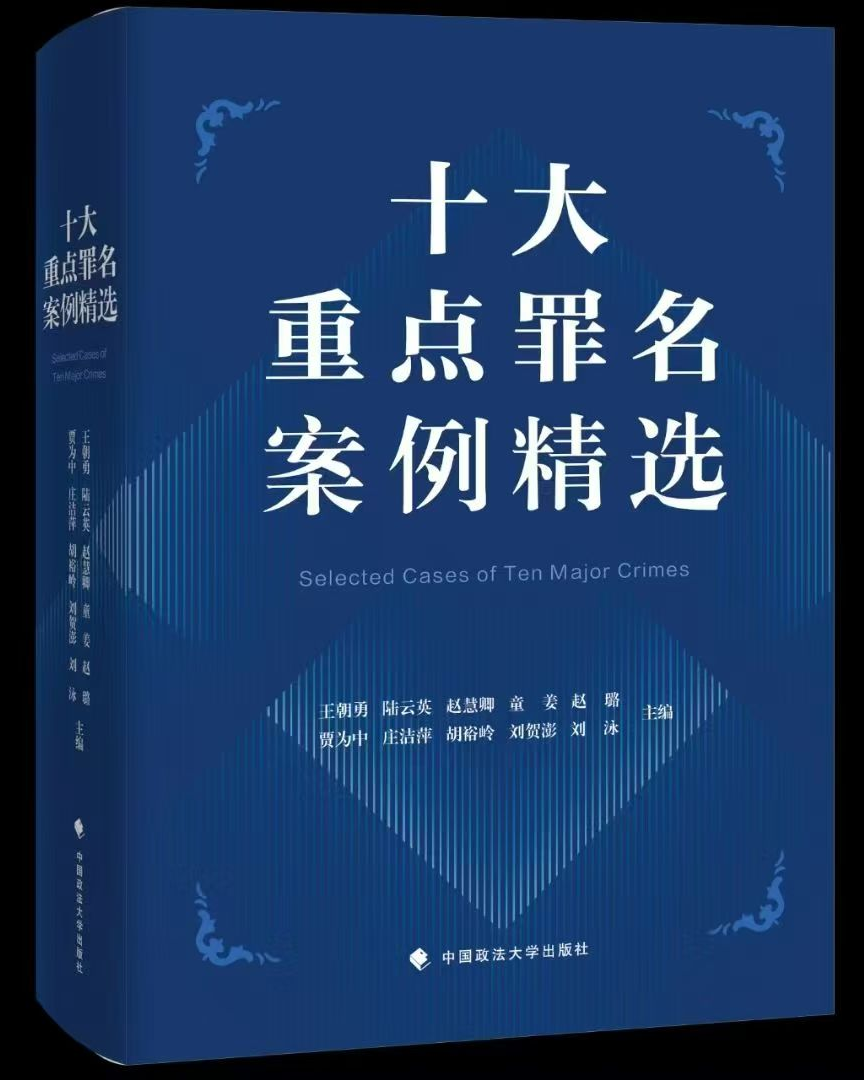
This book selects cases from official channels such as the crime of illegally absorbing public deposits, money laundering, fund-raising fraud, contract fraud, false litigation, refusing to execute judgments and rulings, opening a casino, organizing and leading pyramid schemes, illegal business operations, and illegal mining. It carefully selects selected cases from the case library of the People's Court, Guiding Cases of the Supreme People's Court, Typical Cases of the Supreme People's Court, Guiding Cases of the Supreme People's Procuratorate, Typical Cases of the Supreme People's Procuratorate, and other official channel cases to preserve the original style of the cases to the greatest extent to ensure authority and authenticity.
- Assets are transferred through related transactions, and the father’s debt is not repaid by the son
Yang sued Company C to repay a loan of 3.98 million yuan and interest. After winning the lawsuit, he applied for compulsory execution. However, he found that Company C had no property in its books and the property under its name had been seized by other cases. The court terminated the execution on the grounds that there was no property available for execution. The procuratorial organ’s investigation found that the legal representative of Company C and his wife and daughter had three companies in their names, had a large number of business and financial transactions with Company C, and had mixed personnel. Further investigation revealed that his wife and daughter’s monthly salary exceeded 100,000 yuan (far exceeding the level in the same industry), and the company under his name purchased three luxury cars; Company C and an affiliated company in Hainan frequently transferred more than 13 million yuan within 3 months, and the funds were transferred away as soon as they were received. The legal representative of Company C was investigated by the public security organs on suspicion of refusing to execute judgments and rulings. Three luxury cars were impounded and more than 13 million yuan of funds involved in the case were frozen.
Transferring assets through related-party transactions is a common method for evading debts. When creditors discover an abnormal decrease in the debtor's assets, they can apply to the court to obtain the bank statements of the debtor and its related parties to examine whether there are unreasonable low-price transfers, free gifts, surprise transfers, etc. If the crime of resisting law enforcement is constituted, the case should be reported to the public security organ in a timely manner.
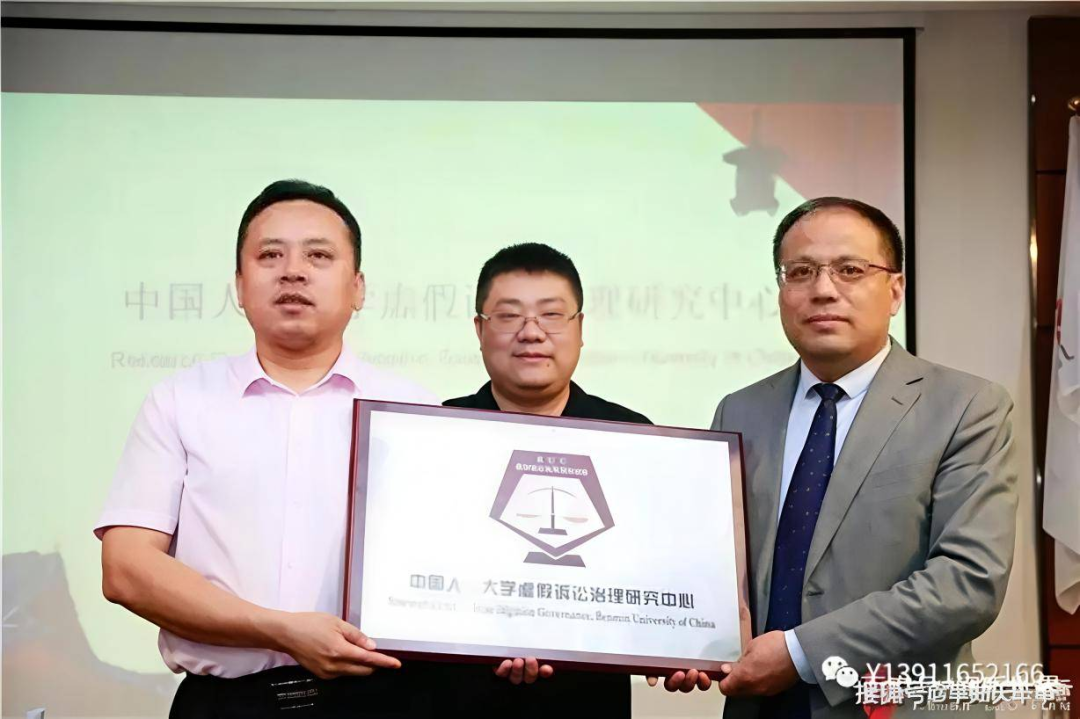
One of the most landmark achievements in lawyer Wang Chaoyong’s career is that he took the lead in establishing the “Research Center for False Litigation Management of Renmin University of China” on June 22, 2017 and served as the executive director of the center. The establishment of the center marks that my country has the first high-end think tank in the field of false litigation management that integrates theoretical research, practical work and rule formulation, providing important academic support and practical guidance for combating false litigation.
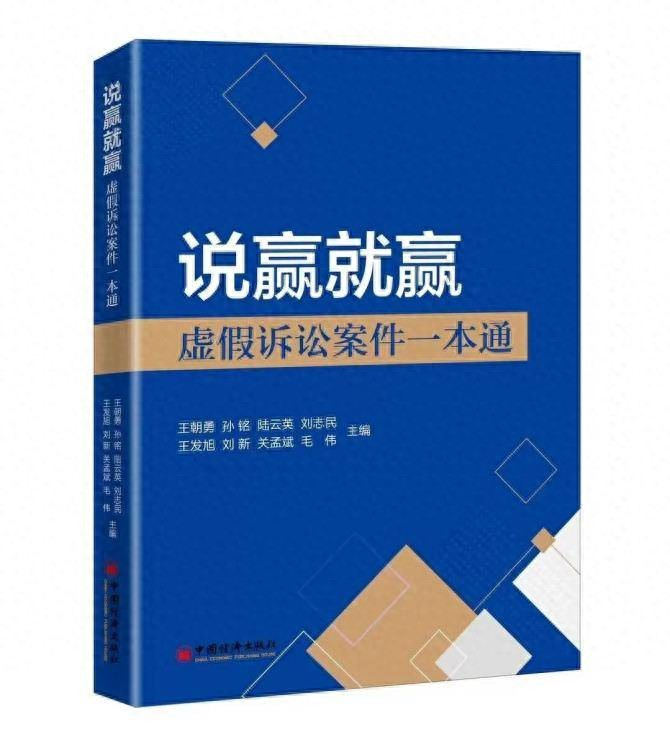
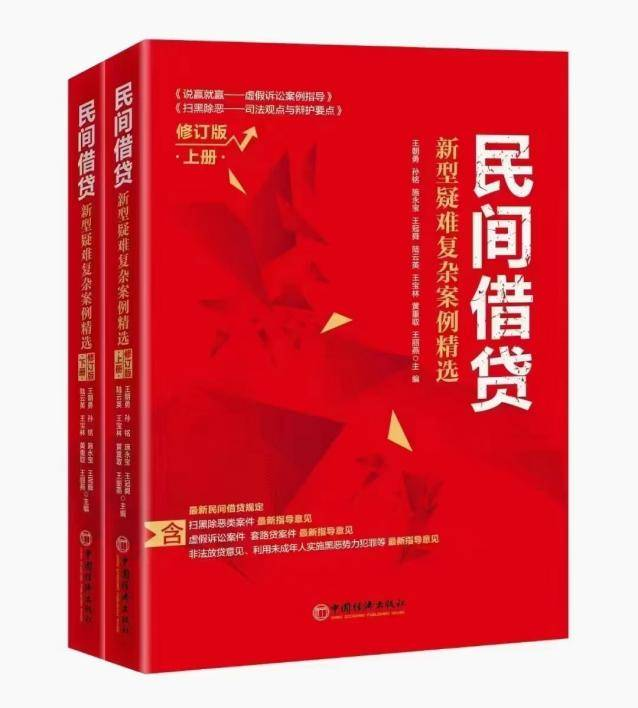
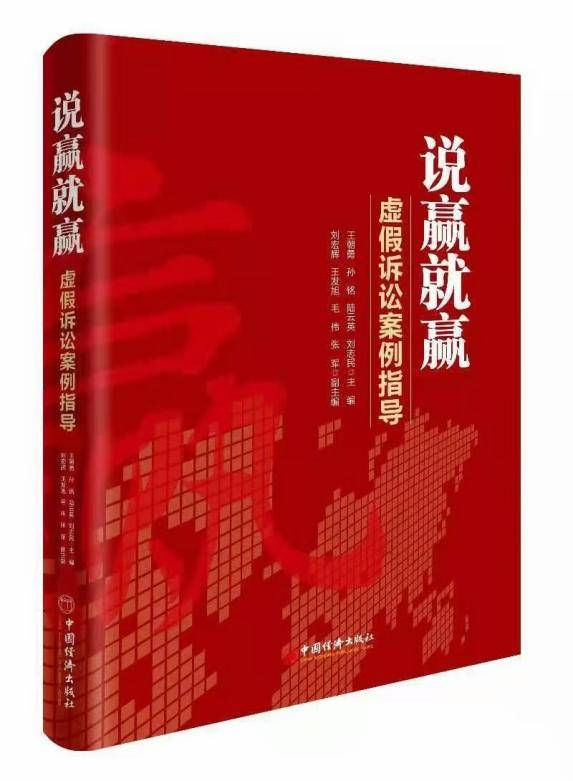
Relying on the profound academic resources and massive case library of the False Litigation Governance Research Center of Renmin University of China, lawyer Wang Chaoyong led a team that insisted on deeply integrating theoretical research with judicial practice, systematically sorting out the evolution patterns and identification rules of false litigation, and published a series of blockbuster practical monographs with industry guiding significance, demonstrating its leading position in the field: "Win When You Say It - False Litigation Case Guide", which took the lead in analyzing false litigation cases. It provides early warning and analysis of typical routines of false litigation to provide reference for practical responses; "Private Lending - Selection of New and Difficult and Complex Cases" provides an in-depth analysis of hidden new criminal forms in the lending field and solves practical difficulties; "Winning is Win - A Guide to False Litigation Cases" comprehensively interprets the identification standards, evidence rules and response strategies of false litigation, and strives to build it into a benchmark practical guide in this field.
Get rid of thefog of litigation and defend the dignity of the law If you or your company are being illegally infringed by false lawsuits and are stuck in the quagmire of "fake lawsuits", lawyer Wang Chaoyong will lead his professional team and rely on the authoritative background of the False Litigation Management Research Center of Renmin University of China and his own rich practical experience to provide you with accurate legal diagnosis and comprehensive rights protection services. The team is committed to clearing up the fog for you, breaking the chain of false lawsuits, defending your legitimate rights and interests, and making justice no longer late.Lawyer Profile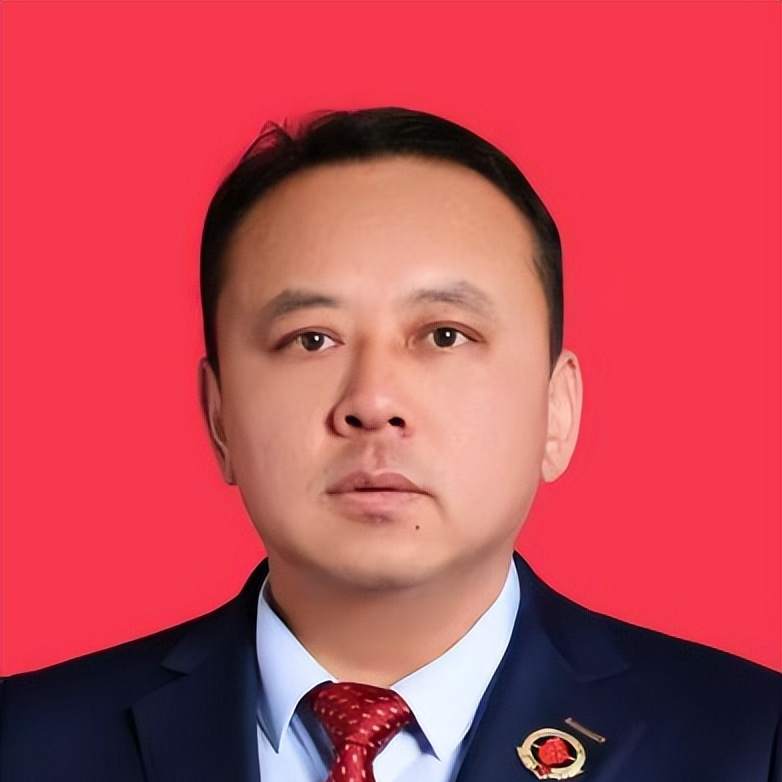 Chao Chaoyong
Executive Director, False Litigation Governance Research Center, Renmin University of China
Senior Researcher
Professional areas: combating false litigation, anti-money laundering, refusal to enforce law, job-related crime cases, difficult criminal-civilian cases, and resolution of major civil and commercial disputes.
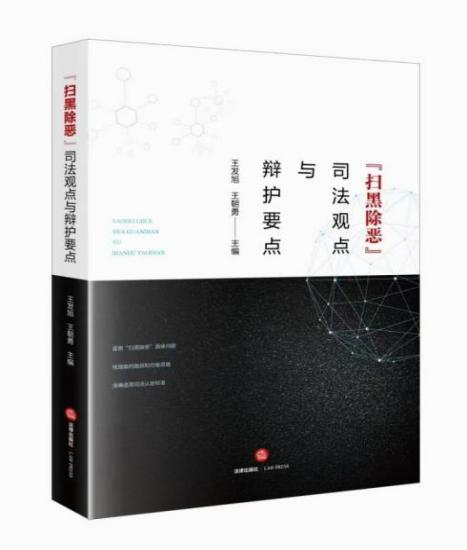
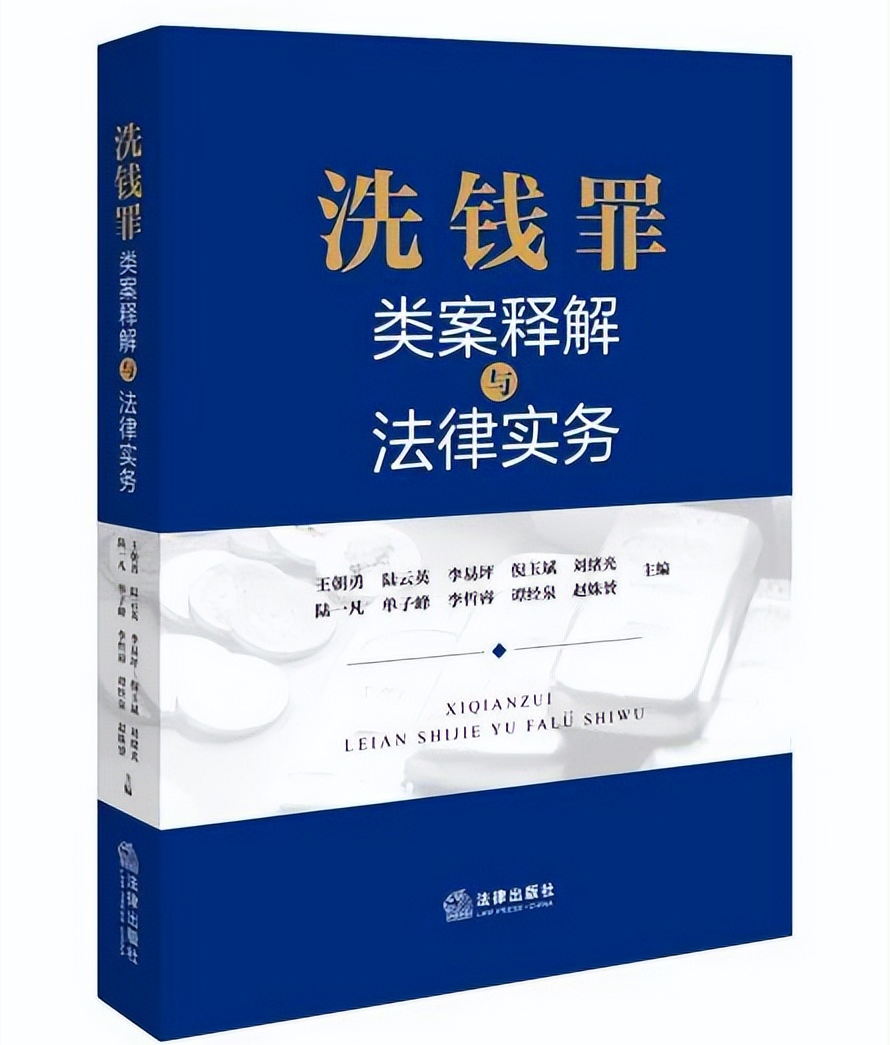
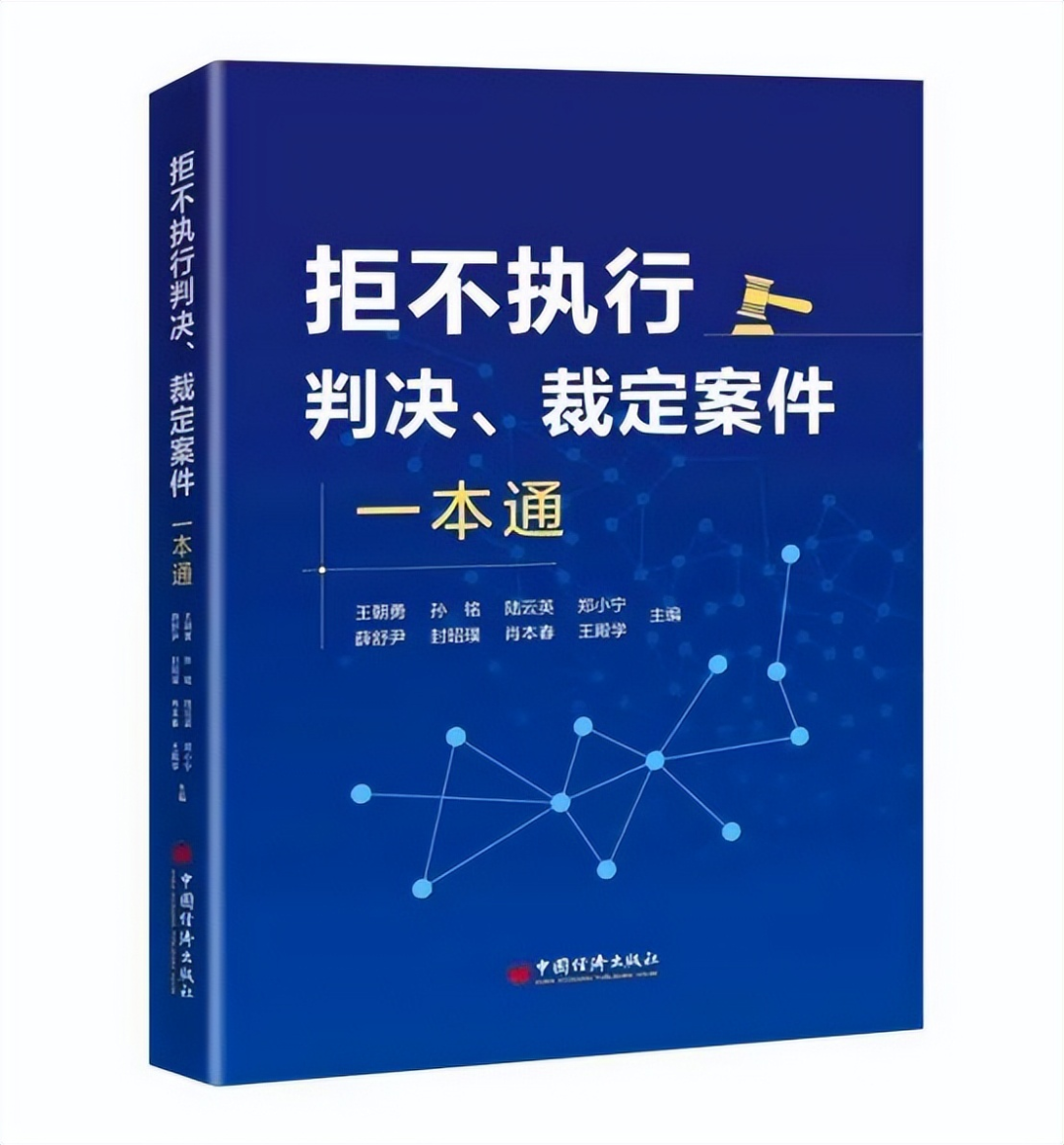
Lawyers, arbitrators. Equity partner of Beijing Jingshi Law Firm, Executive Director of the National Criminal Professional Committee of Jingsh Law Firm, part-time tutor for JLM graduates at Peking University Law School, joint tutor for JLM professional graduate students at Tsinghua University Law School, part-time tutor for graduate students at the JLM School of China University of Political Science and Law, practical tutor for graduate students at the Institute of Evidence Science, China University of Political Science and Law, practical tutor for JLM professional graduate students at Renmin University of China Law School, executive director and senior researcher of the False Litigation Governance Research Center of Renmin University of China , executive director of the Beijing Supervisory Law Research Association, and researcher of the Beijing Supervisory Law Research Association. He is the author of "Selected Cases of Ten Major Crimes", "Crime of Money Laundering - Interpretation of Similar Cases and Legal Practice", "Crime of Opening Casinos - Interpretation of Similar Cases and Legal Practice", "Win as You Say - A Comprehensive Guide to False Litigation Cases", "A Comprehensive Guide to Refusal to Enforce Judgments and Adjudication Cases", "Private Lending - Selections of New and Difficult and Complex Cases" ", "Winning when you say it - Guidance on false litigation cases", "How to defend effectively - I defend lawyers", "Cracking down on gangsters and evil - Judicial perspectives and key points of defense", "Say what you say - Lawyers comment on major cases", "Say it and pass it - Judicial Examination Complete Guide", "Legal Education Reader for Middle School Students" and other works.




Recommended Reading
Seeking roots in Jinggangshan and building souls on the road to rule of law | Party member training at Jingshi Law Firm is heart-warming and inspiring

Riding the horse to ride the wind, the new chess game is "Qiong"! Jingshi Sanya Branch was officially approved to be established
Deeply cultivate ASEAN and settle in the Lion City! Jingsh Law Firm’s Singapore Cooperation Office was officially approved to be established

The non-prosecution case for illegal business crimes and trust crimes, in which Beijing lawyer Wang Dianxue participated in the defense, was included in the 2026 Supreme People's Procuratorate work report
Jingsh Law Firm was selected into the "Guidelines for Excellent Brand Influence of Law Firms (2025)" by Lux News and won 3 awards

The rule of law is like the sun, and travelers have no boundaries - a heart-warming journey in 2025 of the "Rule of Law Sunshine Sowing Plan" of the Jingshi Rule of Law Public Welfare Special Fund
Dive deep, jump up, and climb to the top! The 2026 Jingsh Law Firm (National) Criminal Professional Committee Board of Directors Meeting was successfully held