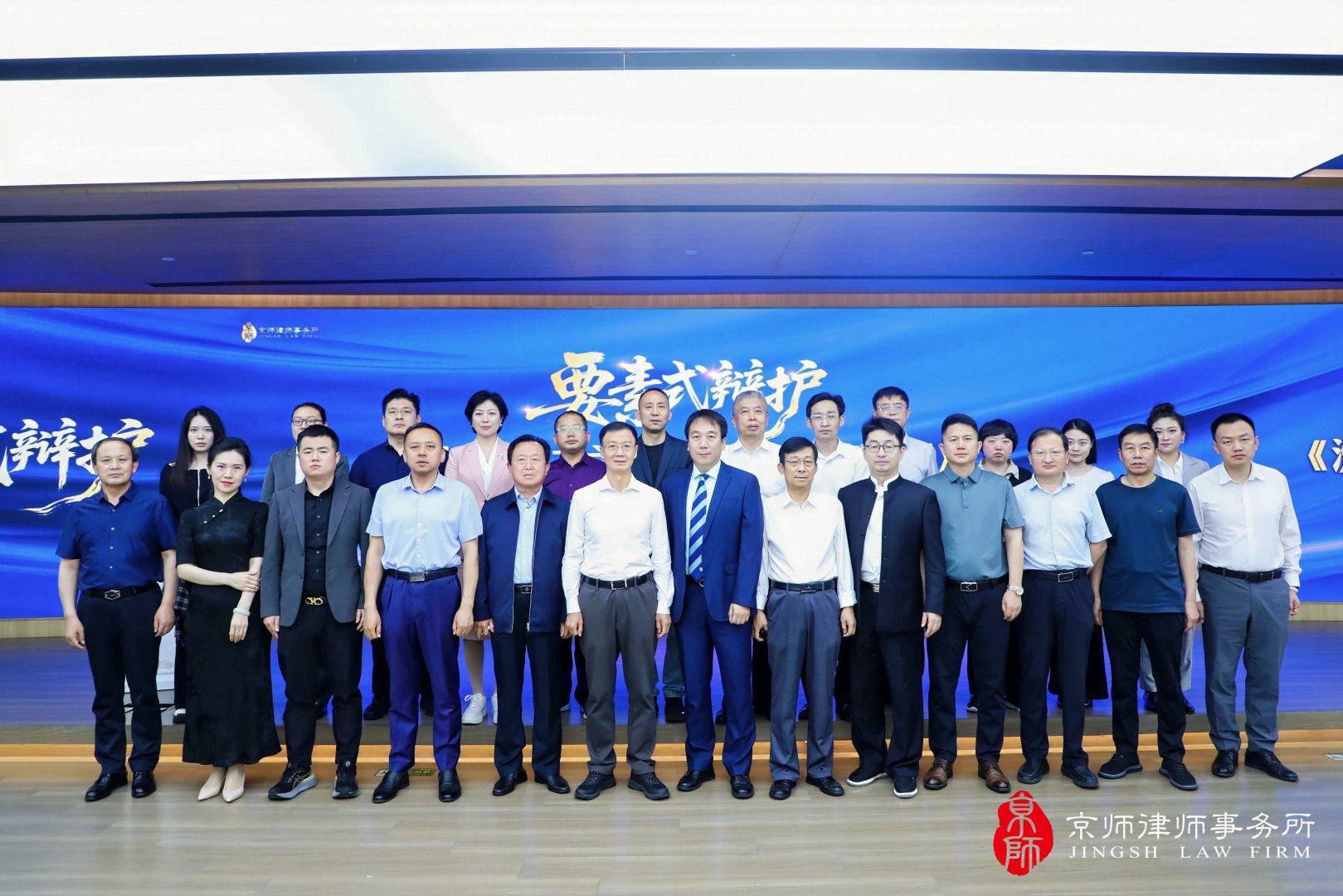
In order to improve the professional level of defense practice for money laundering crimes and face the many controversies and difficulties in judicial determination after "self-incrimination of money laundering", following the fifth "Elementary Defense" forum, on the afternoon of May 16, 2026, the Elementary Defense Criminal Forum No. 6 "Constitution and Exoneration of Money Laundering Crimes" was successfully held in the large lecture hall on the first floor of the Jingshi Lawyers Building. This "element-based defense" adheres to the methodology of refined deconstruction and visual argumentation, and disassembles the elements of the crime of money laundering into modules such as subjective elements, behavioral elements, object elements, amount elements, and related elements. In the layer-by-layer analysis, the breaking points of the prosecution's evidence chain and the supporting points of the defense's countermeasures are discovered, providing a reference with both depth and operability for the criminal defense practice and judicial rationality of the crime of money laundering.
Wang Xin, professor and doctoral supervisor at Peking University Law School, chairman of the Law School Degree Committee, and part-time professor at the National Prosecutors College; Zhou Bosheng, researcher at the False Litigation Governance Research Center of Renmin University of China and researcher at the Beijing Supervisory Law Research Association; Wang Shiqi, leader of the Shanxi Yuncheng Procuratorate; Mali, equity partner at Jingshi Law Firm and executive director of the Criminal Committee of Jingshi Law Firm (National); Wang Chaoyong, equity partner at Jingshi Law Firm and executive director of the Criminal Committee of Jingshi Law Firm (National); Zheng Fei, equity partner of the firm, deputy director of the Criminal Committee of Jingshi Law Firm (National), director of the Criminal Defense Training Institute of the Criminal Committee of Jingshi Law Firm (National), and general initiator of the "Elemental Defense" forum, Zheng Fei, equity partner of Jingshi Law Firm, criminal defense of Jingshi Law Firm (National) Wang Feng, director of the Committee's Tax-related Crime Research Center, Guo Suyu, a lawyer at Beijing Jinwen Law Firm, Wang Jie, deputy director of the Criminal Committee of Jingshi Law Firm (Central China District) and director of the Criminal Law Department of Jingshi Hefei Branch, and Zheng Yatian, a lawyer at Jingshi Law Firm, attended the forum. The forum was chaired by Li Xiaojuan, deputy secretary-general of the Criminal Committee of Jingshi Law Firm (National) and deputy director of the Criminal-Civil Intersection Research Center of the Criminal Committee of Jingshi Law Firm (National).
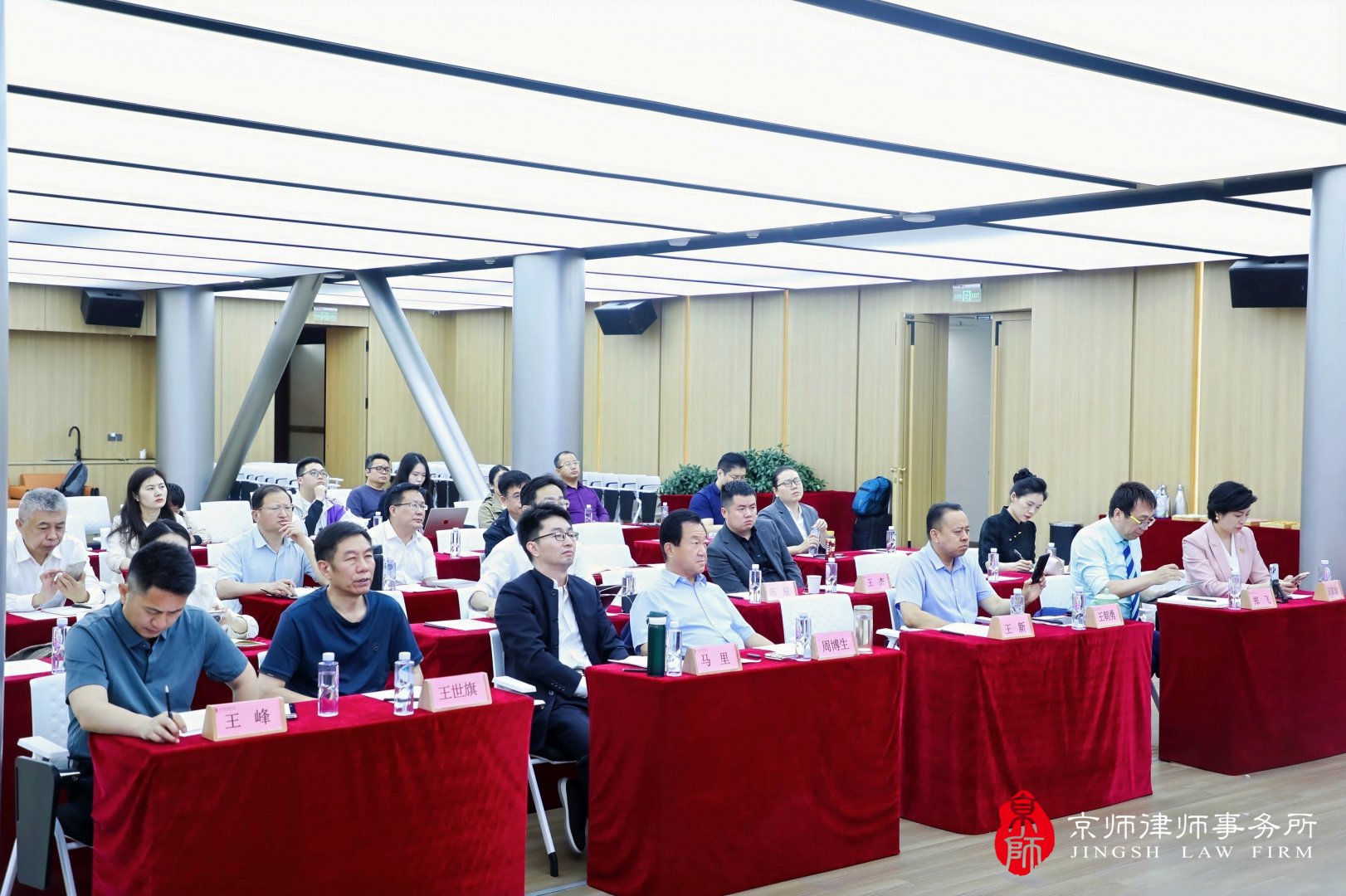
🔺Forum site
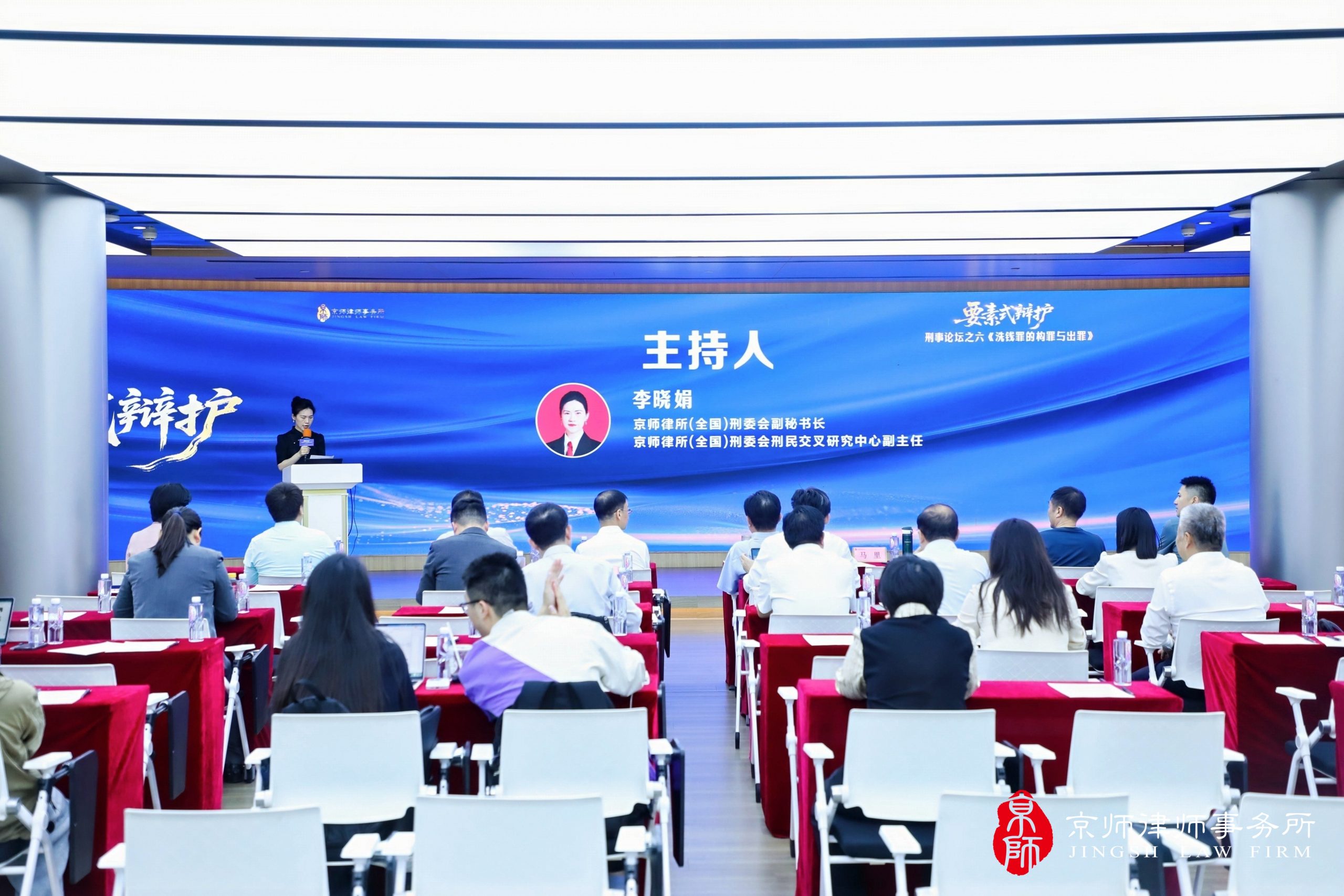
🔺Moderator: Li Xiaojuan, deputy secretary-general of the Criminal Committee of Jingshi Law Firm (National) and deputy director of the Criminal-Civil Intersection Research Center of the Criminal Committee of Jingshi Law Firm (National)
Opening Speech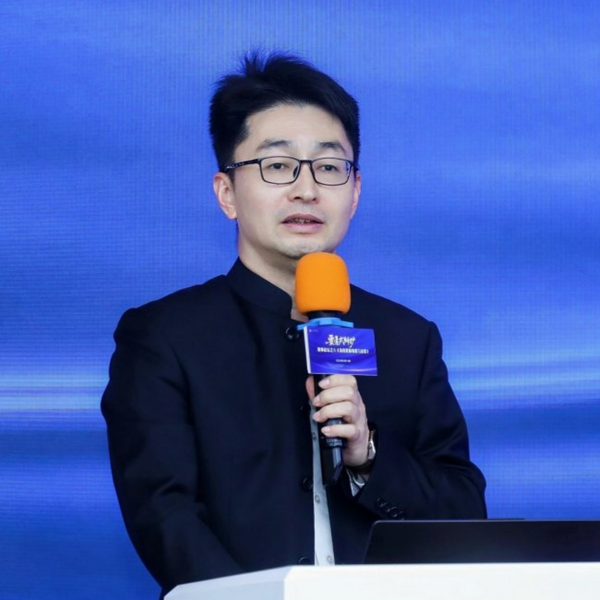 Mali
Mali
Equity partner of Jingsh Law Firm
Executive Director of the Criminal Committee of Jingshi Law Firm (National)
In the opening speech, Mali, equity partner of Jingsh Law Firm and executive director of the Criminal Committee of Jingsh Law Firm (National), expressed congratulations on the convening of the forum. He pointed out that the crime of money laundering has developed from initially safeguarding the stability of financial institutions to safeguarding financial security, and then to the strategic level of safeguarding national security, becoming a hot issue in both theoretical and practical circles. He stressed that with the 2020 Criminal Law Amendment (11) including self-money laundering as a crime, the 2024 revision of the Supreme People's Court's Judicial Interpretation and the Anti-Money Laundering Law, and this year's multi-department jointly promulgated special anti-money laundering special preventive measures management measures, the expansion and application of money laundering crimes has brought about many new problems in interpretation and application. According to statistics, since the criminalization of money laundering, the number of first-instance money laundering cases concluded by courts across the country has shown a significant increase. Money laundering crimes account for an increasing proportion in judicial practice. In particular, job-related crimes such as purchasing houses, cars, and investments on behalf of others are easily identified as self-laundering crimes. He hopes that through continuous study and research, all front-line defense lawyers will combine profound theories with practical criminal defense, find the boundary between guilty and lenient defense under the background of expanded application, and achieve effective defense. Finally, he expressed special thanks to Director Zheng Fei, the general initiator of the "Elementary Defense" forum, for his continued persistence and responsibility in organizing it, as well as the strong support of the Jingshi administrative team, and wished this forum a complete success.
Keynote Speech Wang Xin
Professor and doctoral supervisor at Peking University Law School
Chairman of the Law School Degree Committee
Adjunct Professor, National Prosecutor's College
Wang Xin, professor and doctoral supervisor at Peking University Law School, chairman of the Degree Committee of the Law School, and part-time professor at the National Procuratorate College, shared on "Judicial Identification of Money Laundering Crimes and Focus on Criminal Defense". He systematically sorted out the "triple jump" process of my country's anti-money laundering awareness from maintaining the stability of financial institutions to maintaining the security of the financial system, and finally to the level of national security strategy. He combined with the major changes to the crime of money laundering in the Criminal Law Amendment (11), pointed out that legislative changes such as self-criminalization of money laundering, deletion of the term "knowingly", and addition of the constituent elements of "to conceal, conceal the source and nature", as well as the promulgation of the judicial interpretation of the two high-tech in 2024, mark a comprehensive upgrade in the crackdown on money laundering. He focused on the analysis of the identification standard of "serious circumstances" in the new judicial interpretation, the fact that the establishment of upstream criminal facts does not require a judgment, and the application of the principle of prohibiting repeated evaluation in the identification of self-money laundering. He emphasized that the judicial determination of self-laundering should be based on the substantive structure of the crime of money laundering, and it is inappropriate to repeatedly evaluate behaviors that are part of the predicate criminal behavior. He also made an in-depth analysis of practical difficulties such as the presumption of "knowingly" rules, behavioral methods such as providing capital accounts, and the criminal attributes of "laundering a dollar is also money laundering", providing solid legal support for the criminal defense of money laundering crimes.
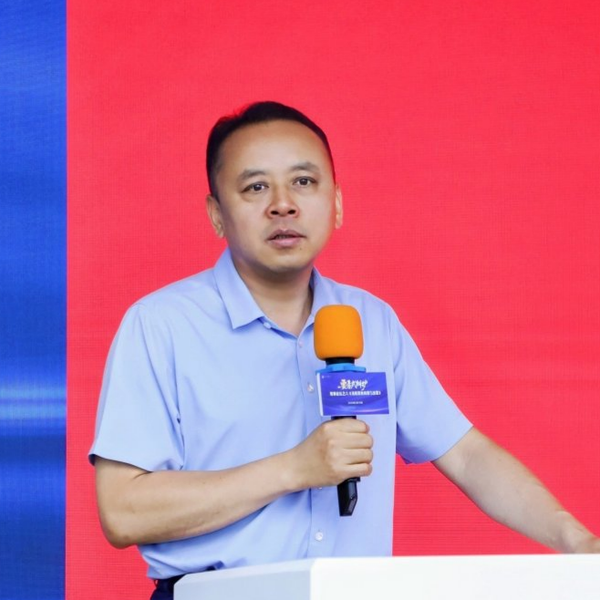
Chaoyong
Equity partner of Jingsh Law Firm
Executive Director of the Criminal Committee of Jingshi Law Firm (National)
Chaoyong, equity partner of Jingsh Law Firm and executive director of the Criminal Committee of Jingsh Law Firm (National), shared on "Several Difficult Issues in Money Laundering Crimes". He focused on the analysis of three difficult issues: "identification of self-laundering, false prosecutions for money laundering, and the expansion of seven types of crimes upstream of money laundering crimes." He pointed out that there are essential differences between self-money laundering and money laundering by others in terms of the actors and the logic of conviction: self-money laundering is committed by the upstream criminals themselves and should be punished for several crimes; money laundering by others is assisted by a third party and is convicted separately. In money laundering false lawsuits, the perpetrators forge IOUs and bank statements to "legalize" the transfer of stolen money in a false lawsuit, which is highly concealable. He also clarified the difference in the regulatory scope of money laundering crimes between the Anti-Money Laundering Law and the Criminal Law: the former conducts preventive supervision on the concealment of all criminal proceeds, while the latter is strictly limited to seven specific categories of predicate crimes. Crimes other than seven categories of crimes should be covered by Article 312 of the Criminal Law, so as to achieve layered and precise crackdowns.
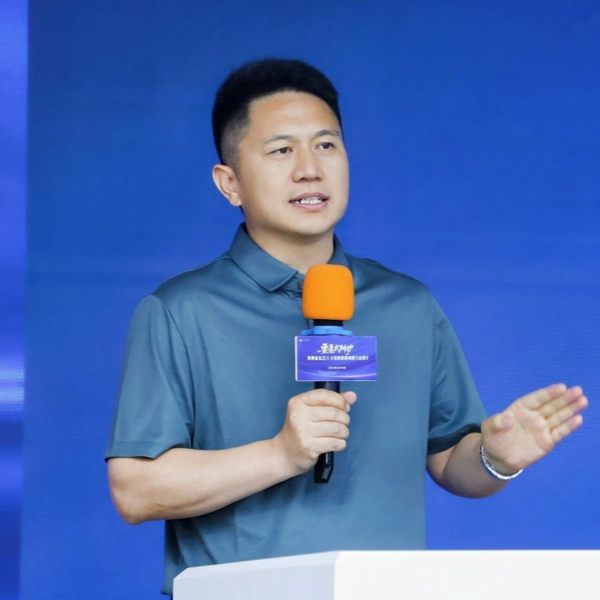
Wang Feng
Equity partner of Jingsh Law Firm
Director of the Tax-Related Crime Research Center of the Criminal Committee of Jingshi Law Firm (National)
Wang Feng, equity partner of Jingsh Law Firm and director of the Tax-related Crime Research Center of the Criminal Committee of Jingsh Law Firm (National), shared on "The Debate on the Correlation between Money Laundering Crimes and Predicate Crimes". He systematically elaborated on defense strategies using underworld organized crimes and drug crimes as typical scenarios. Regarding money laundering involving gangs, he proposed that internal members and outsiders should be distinguished: the behavior of internal members in handling organizational funds is an unpunishable act of "supporting gangs through business" and has been covered by the predicate crime evaluation; outsiders are more consistent with the crime of concealment and can seek conversion to a misdemeanor. Regarding drug-related money laundering, he focused on the subjective knowledge defense, the behavioral nature defense and the object defense, emphasizing that the crime of money laundering requires the perpetrator to have the specific purpose of "whitening" funds, while the act of simply physical transfer and hiding should be charged with the crime of harboring drug stolen goods. He also proposed a four-step method of "breaking links, reducing dimensions, removing meaning, and cutting", advocating the construction of a multi-level defense system by cutting off financial connections, demonstrating low social harm, denying cover-up purposes, and avoiding repeated evaluations.
Zheng Yatian
Jingshi Lawyer
Jingsh Lawyer Zheng Yatian spoke on behalf of Fan Chen, equity partner of Jingsh Law Firm and director of the Criminal Committee of Jingsh Law Firm (National), and shared his views on "The prerequisites for the crime of money laundering from a case". She took the case of Su Moumou suspected of covering up and concealing criminal proceeds as an example, and deeply analyzed the prerequisite for the crime of money laundering - "the predicate criminal facts are established." She emphasized that as a downstream crime, the crime of money laundering must be established based on the verification of the facts of the upstream crime, without waiting for the upstream criminal suspect to be found guilty. She cited Article 7 of the Judicial Interpretation of the Two High-Tech Zones and the Criminal Trial Reference No. 471 Pan Rumin’s Money Laundering Case and the People’s Court Case Library Han Moulong’s Money Laundering Case to demonstrate the core logic of “established facts ≠ effective judgment.” In Su Moumou's case, the premise of the crime of money laundering was not established because the upstream criminal suspects were not brought to justice, there was a lack of objective evidence to prove specific criminal acts, and the source of funds could not rule out the possibility of legitimate income. She also analyzed that the core difference between the crime of money laundering and the crime of concealment is whether it infringes on the national financial management order, providing a clear path for the defense of similar cases.
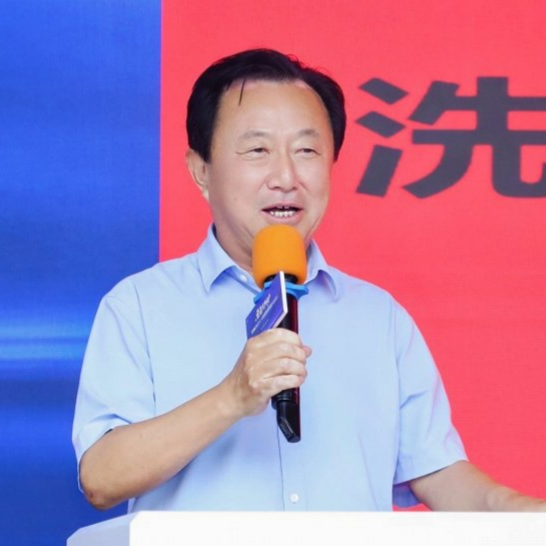
Zhou Bosheng
Researcher at the False Litigation Governance Research Center of Renmin University of China
Researcher of Beijing Supervisory Law Research Association
Zhou Bosheng, a researcher at the False Litigation Management Research Center of Renmin University of China and a researcher at the Beijing Supervisory Law Research Association, conducted an analysis around "Difficulties and Key Issues in Money Laundering Crime in Procuratorial and Judicial Practice". He revealed the underlying reasons for the low number of grassroots money laundering crimes from the three dimensions of legal provisions, evidence standards, and judicial practice. He pointed out that the predicate crimes of money laundering are limited to seven categories of serious crimes, which are naturally misaligned with the structure of grassroots criminal cases, resulting in a small base for the application of the law. The standard of proof of subjective knowledge is strict - the crime of money laundering requires knowing that the funds come from seven specific types of crimes and have the purpose of "whitewashing", which is much higher than the crime of concealment and the crime of supporting trust. It is difficult to obtain objective evidence, and the presumption rules should be applied with caution. In addition, there is a conceptual inertia in handling cases at the grassroots level of "emphasis on the upstream and neglect of the downstream". When the crimes are overlapping, they tend to be treated as misdemeanors. Coupled with poor coordination among departments, a large number of money laundering clues are lost. He called on grassroots procuratorial organs to change their judicial concepts, strengthen "double investigation in one case", accurately apply anti-money laundering judicial interpretations, and effectively improve the quality and effectiveness of anti-money laundering combat.

Guo Suyu
Lawyer at Beijing Jinwen Law Firm
Guo Suyu, a lawyer at Beijing Jinwen Law Firm, shared on the topic "Judicial Characterization and Defense of Helping Bribes to Purchase Houses on Their Own Purchasing Agents". She used a real case of a seaside villa as an entry point to analyze the qualitative controversy over the behavior of helping a bribe taker purchase and hold real estate on behalf of others. She pointed out that the core legal interest infringement of the crime of bribery occurs when the bribee actually controls the property, not at the point where funds are transferred. Lao Zhang purchased a villa for Lao Zhou and used false project contracts to obtain public funds, transfer funds, and hold them on behalf of Lao Zhou. The entire chain of behavior occurred before Lao Zhou actually controlled the villa. It was an integral part of the bribery path. It should not be separately evaluated as a money laundering crime in addition to bribery and assistance. She compared the Li Cong case and the Guangxi Fan case and other typical cases, emphasizing that the crime of money laundering should occur after the bribery has been completed, and the perpetrator has independent "whitewashing" intention. She proposed constructing a defense system from four lines: facts, funds, control, and intentionality, and advocated that criminal law evaluation should penetrate the facts, but not the principles, and the crime of money laundering cannot become a cover-up crime for complex property transfers.

Wang Jie
Deputy Director of the Criminal Committee of Jingshi Law Firm (Central China District)
Director of the Criminal Law Department of Jingshi Hefei Branch
Wang Jie, deputy director of the Criminal Committee of Jingsh Law Firm (Central China District) and director of the Criminal Law Department of Jingsh Hefei Branch, shared on "The Defense of the Presumption of Subjective Knowledge for the Crime of Money Laundering". He pointed out that subjective knowledge is the core difficulty in determining the crime of money laundering. The judicial interpretation has established the "presumption of fact" rule - when there are a lot of abnormalities in the behavior, evasion of supervision, high profits, etc., the perpetrator can be presumed to be "knowingly aware", but counter-evidence is allowed. An effective defense does not lie in repeating "I don't know", but in building a complete chain of counter-evidence: proving that the party has fulfilled its audit obligations, has a reasonable explanation for the abnormal behavior, only participated in a very small neutral link in the industrial chain, or pointed out the break in the prosecution's evidence chain. He differentiated the difference in knowing knowledge between self-laundering and money laundering by others - self-laundering no longer requires proof of knowingness, while money laundering by others still needs to prove "knowing or should know", and requires certain knowledge rather than "possible knowledge". He also analyzed the intersection of the crime of money laundering, the crime of concealment, and the crime of trust in new business forms such as virtual currency money laundering.
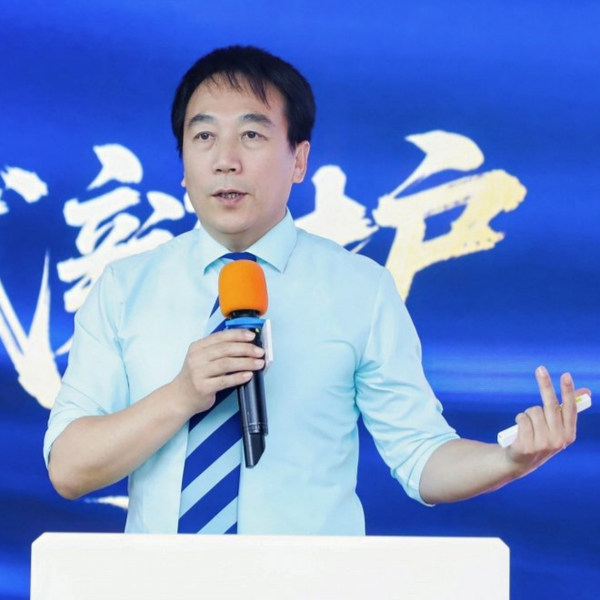
Zheng Fei
Equity partner of Jingsh Law Firm
Deputy Director of the Criminal Committee of Jingshi Law Firm (National)
Dean of the Criminal Defense Training Institute of Jingshi Law Firm (National) Criminal Committee
Zheng Fei, equity partner of Jingsh Law Firm, deputy director of the Criminal Committee of Jingsh Law Firm (National), and dean of the Criminal Defense Training Institute of the Criminal Committee of Jingsh Law Firm (National), shared on "The Defense of the Crime of Providing Account-based Money Laundering and the Minority of the Crime". He started with the legislative evolution of the crime of money laundering and analyzed the major changes in the Criminal Law Amendment (11), including the criminalization of self-laundering, deletion of the content of "knowingly", and addition of "in order to cover up or conceal" the "income and the source and nature of the proceeds" for seven types of crimes. He pointed out that providing a capital account is the basic act of money laundering, but not all acts of providing accounts constitute money laundering. The principle of unity of subjectivity and objectivity must be adhered to: subjectively, it has the purpose of concealing and concealing the income from seven types of crimes, including drugs, and the source and nature of the proceeds. He focused on the applicable scenarios of the principle of prohibiting repeated evaluation: the collection of illegal income before the completion of the predicate crime has been evaluated by the predicate crime and should no longer be separately recognized as a money laundering crime; the identification of self-money laundering should be based on the premise that additional laundering behavior is carried out after the completion of the crime. He also combined the principle of commensurate crime and punishment, advocating that those who provide accounts play a supporting role in joint crimes and should be recognized as an accessory in accordance with the law, striving for a lighter or reduced punishment.
Summary comments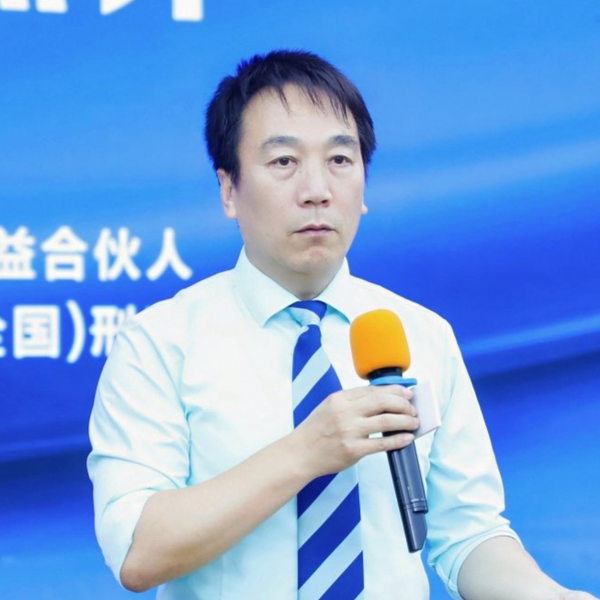 Zheng Fei
Equity partner of Jingsh Law Firm
Deputy Director of the Criminal Committee of Jingshi Law Firm (National)
Dean of the Criminal Defense Training Institute of Jingshi Law Firm (National) Criminal Committee
Chief initiator of the "Elemental Defense" forum
In the final summary comments, Zheng Fei, equity partner of Jingsh Law Firm, deputy director of the Criminal Committee of Jingsh Law Firm (National), dean of the Criminal Defense Training Institute of the Criminal Committee of Jingsh Law Firm (National), and general initiator of the "Elemental Defense" forum, pointed out that this discussion The forum focuses on the cutting-edge topic of money laundering crimes. The theme planning is highly forward-looking and has achieved significant breakthroughs in innovation compared with the previous forum on illegal business crimes. It reflects the planning team's keen prediction of industry trends and their professional determination to continue to delve into difficult crimes. He emphasized that the continued holding of the forum is to cope with future changes and allow everyone to jointly witness and adapt to the new situation of the development of criminal law. In the presentation of forum content and external communication, cover-ups and concealments must be eliminated to ensure that the core logic and the nature of the problem are clearly and candidly explained. Only by facing the problem head-on can the most fundamental defense problem be solved. Director Zheng Fei reviewed the progress of the forum from the first to the sixth period, affirmed the important role this series of seminars played in promoting the professionalization and refinement of criminal defense, and looked forward to continuing to use the "elementary defense" methodology as the anchor in the future to build a higher-level communication platform for criminal defense colleagues.
This forum concluded successfully with a lively and fulfilling discussion. The guests at the meeting agreed that with the criminalization of self-laundering and the continued internalization of international anti-money laundering standards, the judicial determination of money laundering crimes is undergoing profound changes. Criminal defense must return to the principle of legality of crime and punishment, accurately grasp the standard of proof of the "knowing" element, strictly limit the expansion and application of bailout clauses, and explore the path to guilt between the subjective purpose judgment and the definition of the nature of the behavior. At the same time, attention should be paid to the systematic analysis of core elements such as the relevance of the predicate crime of money laundering, the principle of unity of subjectivity and objectivity, and the prohibition of repeated evaluation, so as to realize the transformation from passive response to active construction of a defense system. This forum brings together legal theory and practical wisdom, providing diverse and clear ideas for solving the defense problems of money laundering crime construction and acquittal. Jingshi Law Firm will continue to rely on the professional platform of the whole system to promote the development of criminal defense in a more professional and sophisticated direction, and contribute to the construction of financial security and rule of law in China.