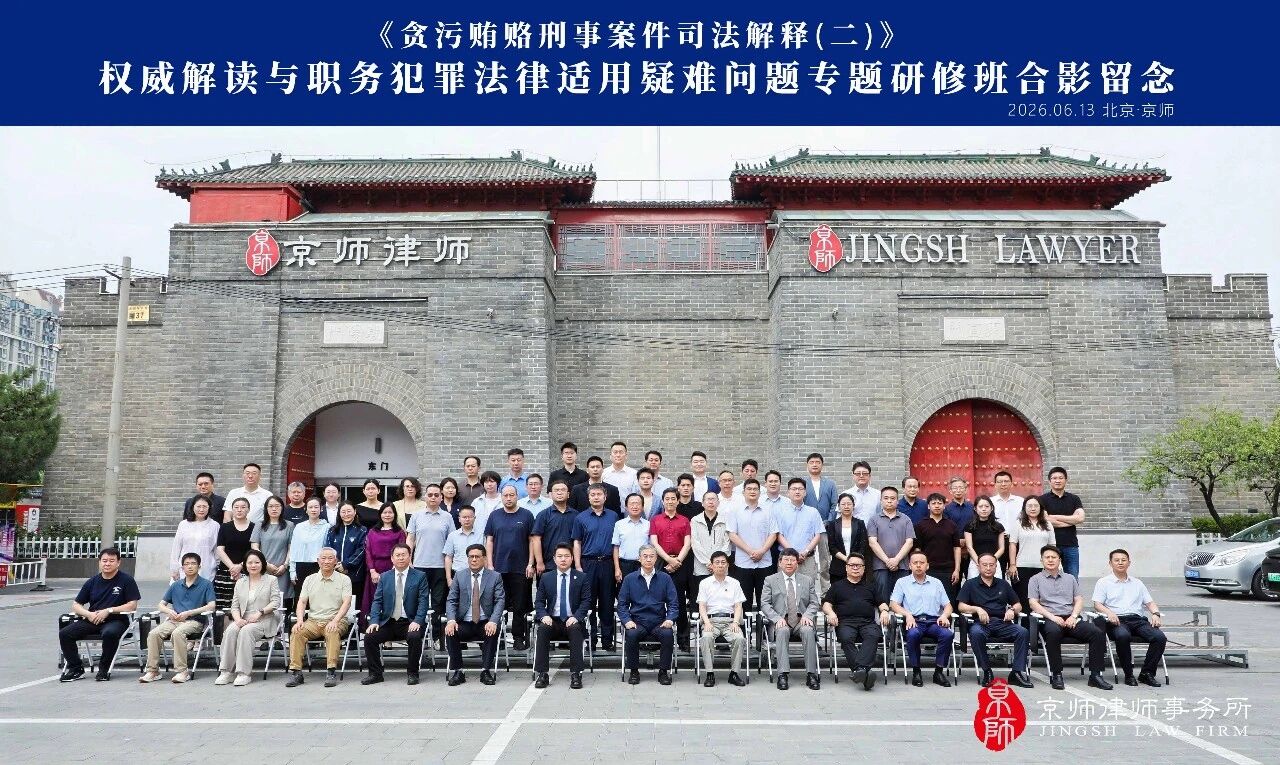
In April this year, the Supreme People's Court and the Supreme People's Procuratorate jointly issued the "Interpretation on Several Issues Concerning the Application of Laws in the Handling of Criminal Cases of Corruption and Bribery (II)" (Fa Interpretation 2026 No. 6), which has had a profound impact on the entity identification and procedural connection of official crimes. In order to help colleagues at Jingshi Law Firm and colleagues in the legal field accurately understand and apply the new judicial interpretation and improve their professional capabilities in handling cases of occupational crimes, on June 13, 2026, The authoritative interpretation of the "Judicial Interpretation of Criminal Cases of Corruption and Bribery (II)" and the difficult issues in the application of the law for occupational crimes were released Specially invited doctor of law to the topic training class, Director of the Academic Committee of the Group of Twenty (G20) Anti-Corruption and Fugitive Recovery Research Center, Vice President of the Chinese Society of Criminology and Vice President of the China Criminal Procedure Law Research Association, Wang Xiaodong, adjunct professor of Jilin University and China University of Political Science and Law, teaches.
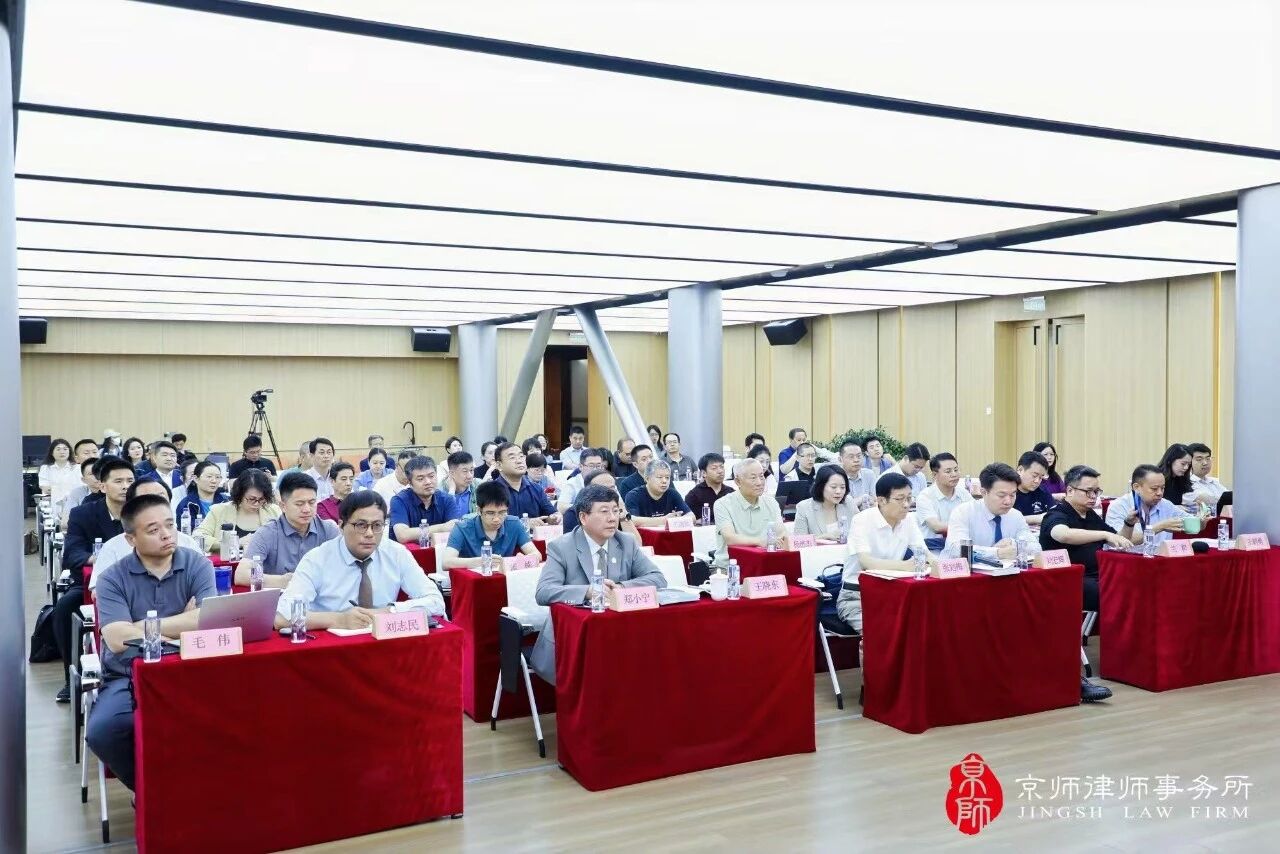
▲Training class site
This training class was held by Zhang Zemei, equity partner of Jingshi Law Firm, researcher of Beijing Supervisory Law Research Association, deputy director and secretary-general of the Professional Crime Management Committee of Beijing Supervisory Law Research Association, equity partner of Jingshi Law Firm, Jingshi Law Firm ( Honorary Director of the National) Criminal Committee and Researcher of the Beijing Supervisory Law Research Association Liu Zhimin, Deputy Secretary of the Party Committee and Executive Deputy Director of Jingshi Law Firm, Honorary Director of the Criminal Committee of Jingshi Law Firm (National)Zheng Xiaoning, Equity Partner of Jingshi Law Firm, Beijing Wang Dianxue, director of the Criminal Committee of Jingsh Law Firm (National) (unable to attend due to work arrangements),Lan He, equity partner of Jingsh Law Firm and deputy director of the Criminal Committee of Jingsh Law Firm (National), partner of Jingsh Law Firm, capital market legal affairs of Jingsh Law Firm Mao Wei, director of the department and researcher of the Beijing Supervisory Law Research Association, and Jingshi Law Firm (National) Criminal Committee jointly organized and planned, aiming to help legal colleagues get rid of fragmented cognition and accurately grasp the deep logic and judicial ideas behind the provisions. This training class brought together more than 100 people including representatives of equity partners of Jingsh Law Firm and fellow lawyers inside and outside the firm, and was hosted by Director Zhang Zemei.
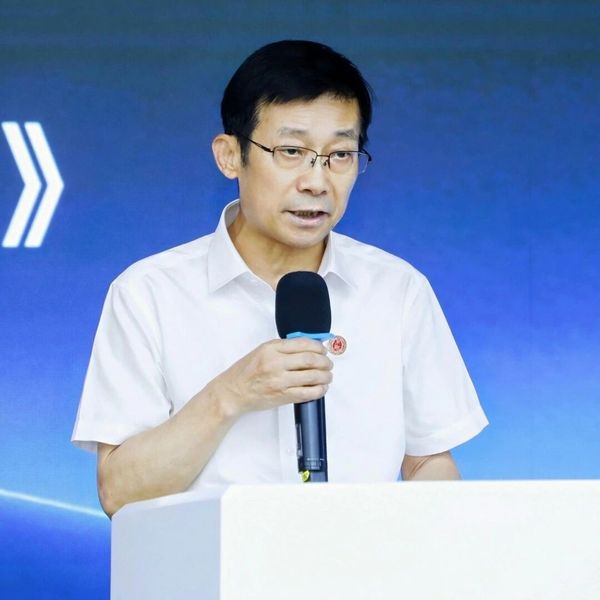
Zhang Zemei
Equity partner of Jingsh Law Firm
Researcher of Beijing Supervisory Law Research Association
Deputy Director and Secretary-General of the Professional Crime Management Committee of the Beijing Supervisory Law Research Association
At the beginning of the event, Zhang Zemei, equity partner of Jingsh Law Firm, researcher of the Beijing Supervisory Law Research Association, deputy director and secretary-general of the Professional Crime Management Committee of the Beijing Supervisory Law Research Association, delivered a welcome speech. On behalf of Jingshi Law Firm, he expressed warm welcome and gratitude to President Wang Xiaodong, guests and colleagues present at the meeting. He pointed out that the "Interpretation (2)" is an important judicial document issued in the context of the continuous deepening of the reform of the supervisory system and the in-depth advancement of the anti-corruption struggle. It makes systematic provisions around key issues such as the identification of new hidden bribes, simultaneous management of bribery, and the disposal of property involved, reflecting the further improvement of the concept of duty-based crime management and judicial rules. Facing the practical challenges brought by the new regulations, legal practitioners must not only accurately grasp the content of the provisions, but also have a deep understanding of the policy orientation and judicial logic behind them. It is hoped that through this training, lawyers can further improve their professional capabilities and practical level in handling duty-related crime cases.
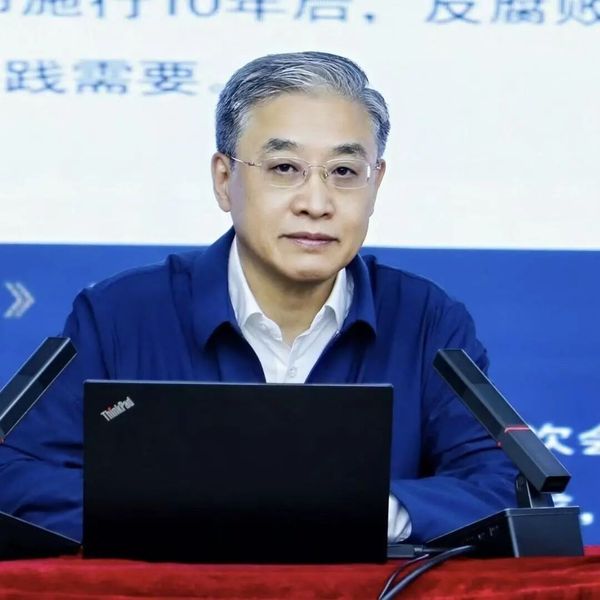
Wang Xiaodong
Doctor of Laws, Director of the Academic Committee of the Group of Twenty (G20) Anti-Corruption and Fugitive Recovery Research Center, Vice President of the Chinese Society of Criminology, Vice President of the China Criminal Procedure Law Research Association, and part-time professor at Jilin University and China University of Political Science and Law
In the keynote speech session, Wang Xiaodong, PhD in law, director of the Academic Committee of the Group of Twenty (G20) Anti-Corruption and Fugitive Recovery Research Center, vice president of the Chinese Society of Criminology, vice president of the China Criminal Procedure Law Research Association, adjunct professor of Jilin University and China University of Political Science and Law, launched a systematic and profound sharing on the topic of "Interpretation and Application of Several Issues Concerning the Application of Laws in Handling Criminal Cases of Corruption and Bribery (II)". President Wang Xiaodong first started from the formulation background, overall thinking and basic principles of "Interpretation (2)", and then deeply elaborated on the historical background and practical needs of the promulgation of this judicial interpretation. He pointed out that "Interpretation (II)" is an important judicial document issued ten years after the implementation of "Interpretation (I)" in the face of new circumstances such as the comprehensive advancement of the reform of the supervisory system, profound changes in the anti-corruption struggle situation, and the continuous improvement of criminal law amendments. It explains the adherence to the "zero tolerance" policy of punishing corruption, implements the requirements of promoting the integration of dare not corrupt, cannot corrupt, and do not want to corrupt, fully embodies the concepts of people-centered, equal protection of property rights, adhering to the principle of the rule of law and the unity of integrity and innovation, systematically improves the rules for the application of laws on official crimes, and provides an important basis for unifying judicial standards and improving the quality and efficiency of case handling.
Subsequently, President Wang Xiaodong conducted an in-depth interpretation of the fifteen key contents involved in the "Interpretation (2)" and systematically analyzed controversial issues in judicial practice based on typical cases. He focused on hot issues such as equal protection of the non-public economy, determination of bribery based on expected returns such as stocks and equity, distinction between unit crimes and natural person crimes, determination of active return of stolen goods and compensation, recovery of illegal gains, etc. He also focused on explaining the manifestations of new job-related crimes that have attracted much attention in practice. He pointed out that "Interpretation (2)" clarified for the first time the rules for determining the amount of bribes when property interests such as stocks and equity are used as bribes. At the same time, it further improved the punishment mechanism for bribery crimes and the rules for the disposal of property involved, which is of great significance for unifying judgment standards and standardizing law enforcement and judicial activities. The entire lecture closely integrated theory and practice, providing practical guidance for participating lawyers to accurately understand and apply "Interpretation (2)".
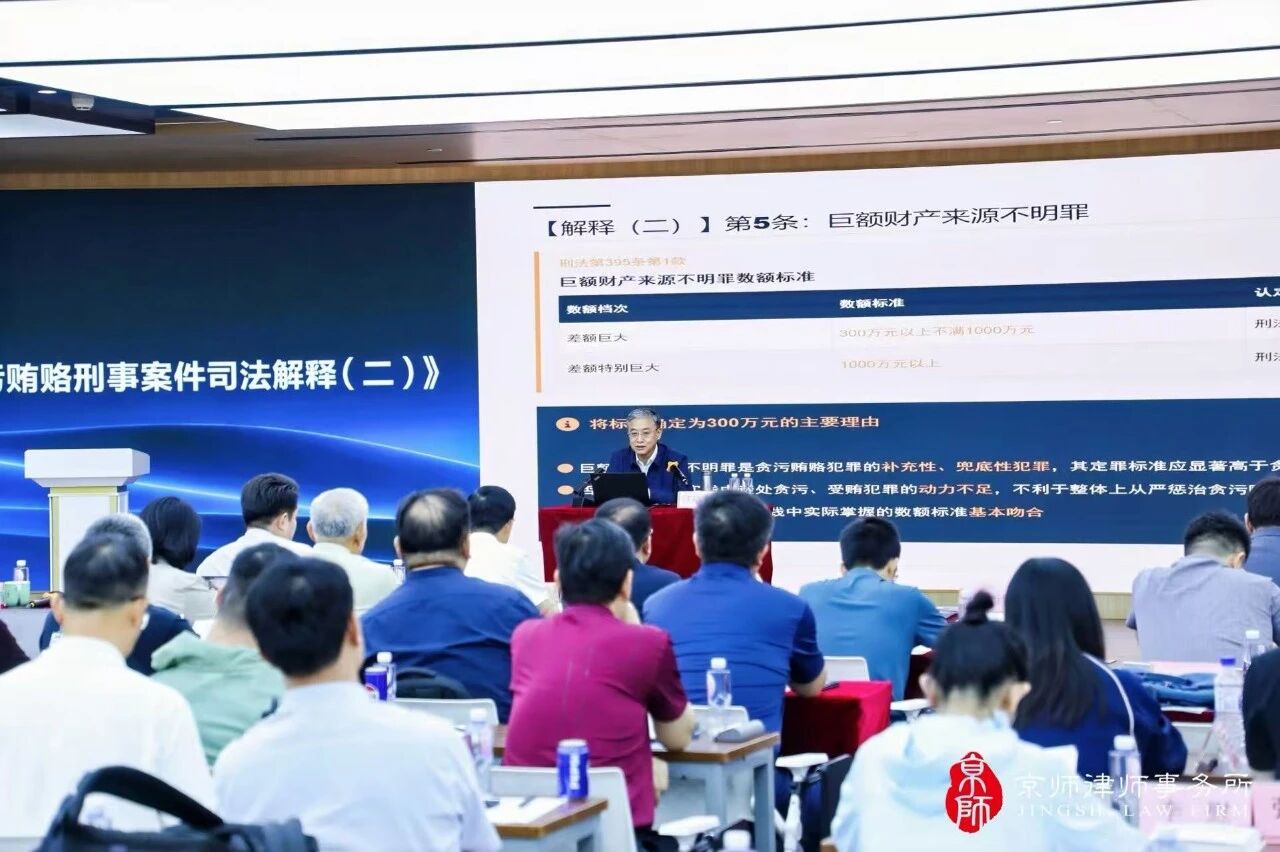
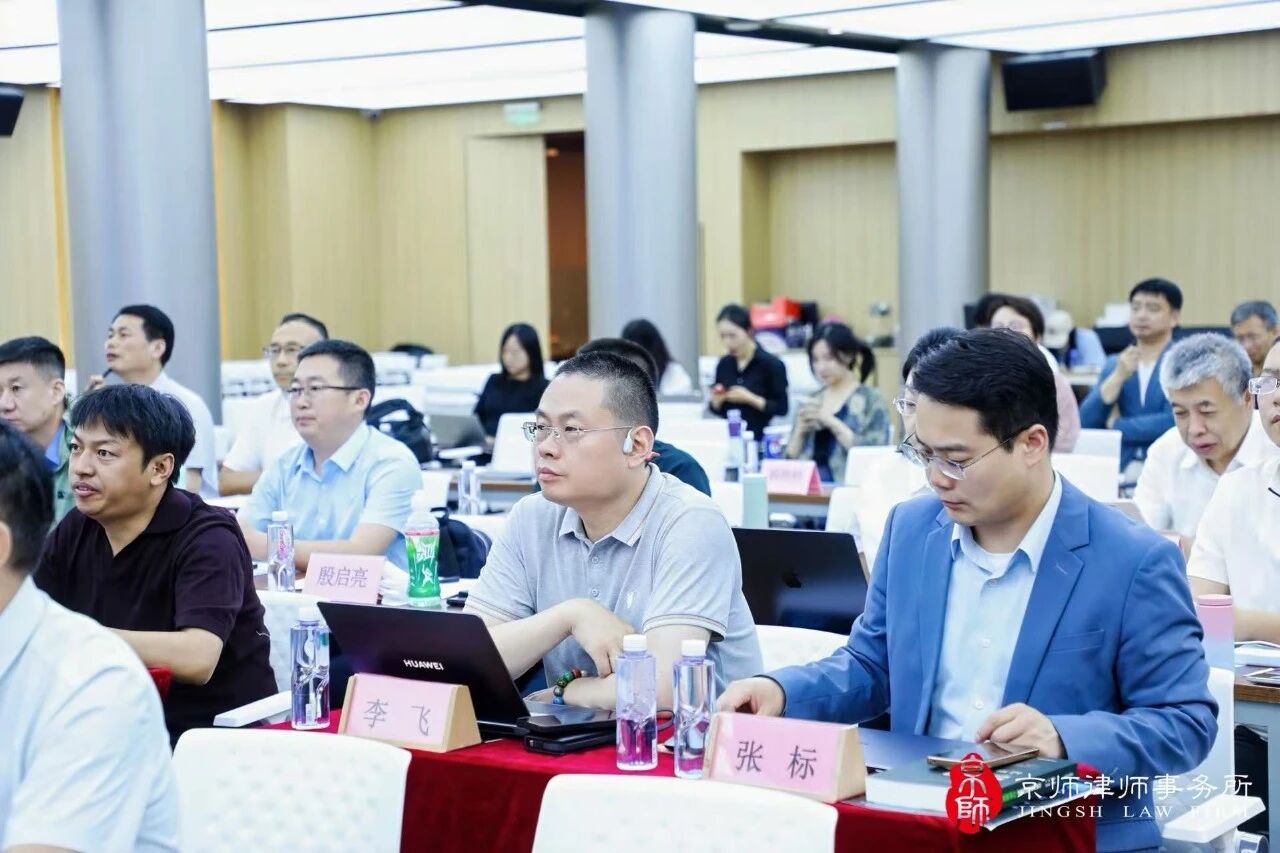
▲Training class site
During the interactive session, the participating lawyers actively asked questions on practical issues such as identification of income-based bribery from equity investments, lawyer intervention during the Supervisory Committee investigation stage, distinction between committed and attempted bribes, and calculation of tax-related amounts. Based on typical cases and case handling experience, President Wang Xiaodong gave in-depth answers from the perspectives of crime composition, evidence review, and property control standards. The on-site discussion was lively, which further deepened the legal practitioners' understanding and grasp of the adjudication rules for job-related crime cases.
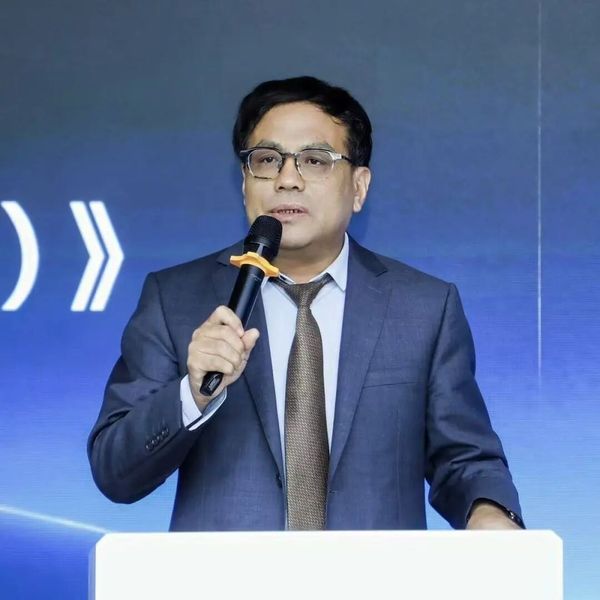
Liu Zhimin
Equity partner of Jingsh Law Firm
Honorary Director of the Criminal Committee of Jingshi Law Firm (National)
Researcher of Beijing Supervisory Law Research Association
At the end of the event, Liu Zhimin, equity partner of Jingsh Law Firm, honorary director of the Criminal Committee of Jingsh Law Firm (National), and researcher of the Beijing Supervisory Law Research Association, made a concluding speech. He said that this training class was held to thoroughly implement the Party Central Committee’s decisions and arrangements on anti-corruption work and to guide legal practitioners to accurately grasp the new requirements and tasks of anti-corruption legal construction. It was also an important measure for Jingshi Law Firm to promote professional construction and high-quality development. He pointed out that this event provided an in-depth analysis of hot and difficult issues in the field of official crimes. It was rich in content and highly targeted, and provided useful reference for lawyers to handle related cases. It is hoped that lawyers will continue to strengthen their study and research, accurately grasp the spirit and essence of judicial interpretations, continuously improve their professional service capabilities, and jointly promote the continuous improvement of legalization and standardization of the management of occupational crimes.
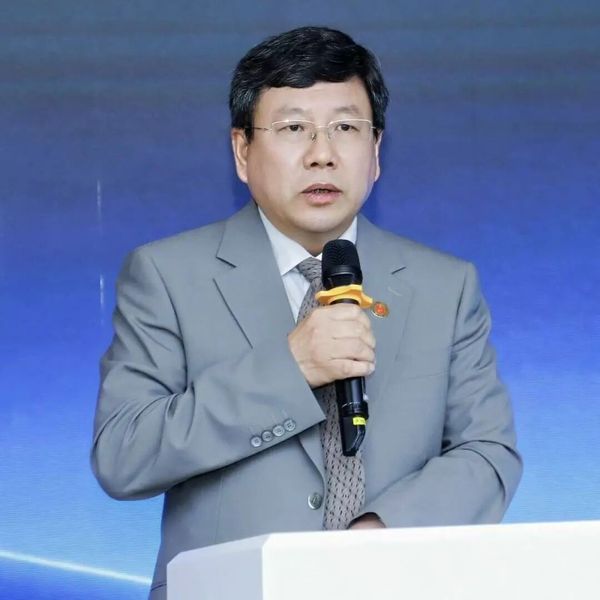
Zheng Xiaoning
Deputy Secretary of the Party Committee and Deputy Executive Director of Jingsh Law Firm
Honorary Director of the Criminal Committee of Jingshi Law Firm (National)
Zheng Xiaoning, deputy secretary of the Party Committee and Executive Deputy Director of Jingsh Law Firm, and honorary director of the Criminal Committee of Jingsh Law Firm (National), said that this training class not only responds to the high-frequency controversies in the current criminal defense and compliance business, but also has important guiding significance for fellow lawyers to accurately apply the law, improve professional capabilities, safeguard the legitimate rights and interests of parties, and promote judicial justice. Based on the "five hopes" proposed by the Ministry of Justice for lawyers, he shared three points of experience around the theme of this training class: First, stick to the political background, practice the basic requirements of "two supports" for practice, and be a good lawyer that is satisfied with the party and the people; second, deepen professional skills and help high-quality economic and social development with high-level legal services; third, stick to the original intention of practicing, safeguard the legitimate rights and interests of the people, and protect the integrity of the industry. He said that Jingshi Law Firm will continue to strengthen professional research and exchanges and continuously inject new momentum into the construction of the rule of law and the development of the lawyer industry.
This training class was rich in content and had lively discussions. It included both authoritative theoretical interpretations and in-depth practical exchanges, which deepened the understanding of the majority of legal practitioners on the adjudication rules and case handling ideas for occupational crime cases. In the future, Jingshi Law Firm will continue to leverage the advantages of its professional platform, focus on cutting-edge areas such as criminal defense and occupational crime management, continue to carry out high-quality professional training and academic exchange activities, promote the in-depth integration of theoretical research and judicial practice, and contribute to the construction of a rule-of-law China and the high-quality development of the lawyer industry.