
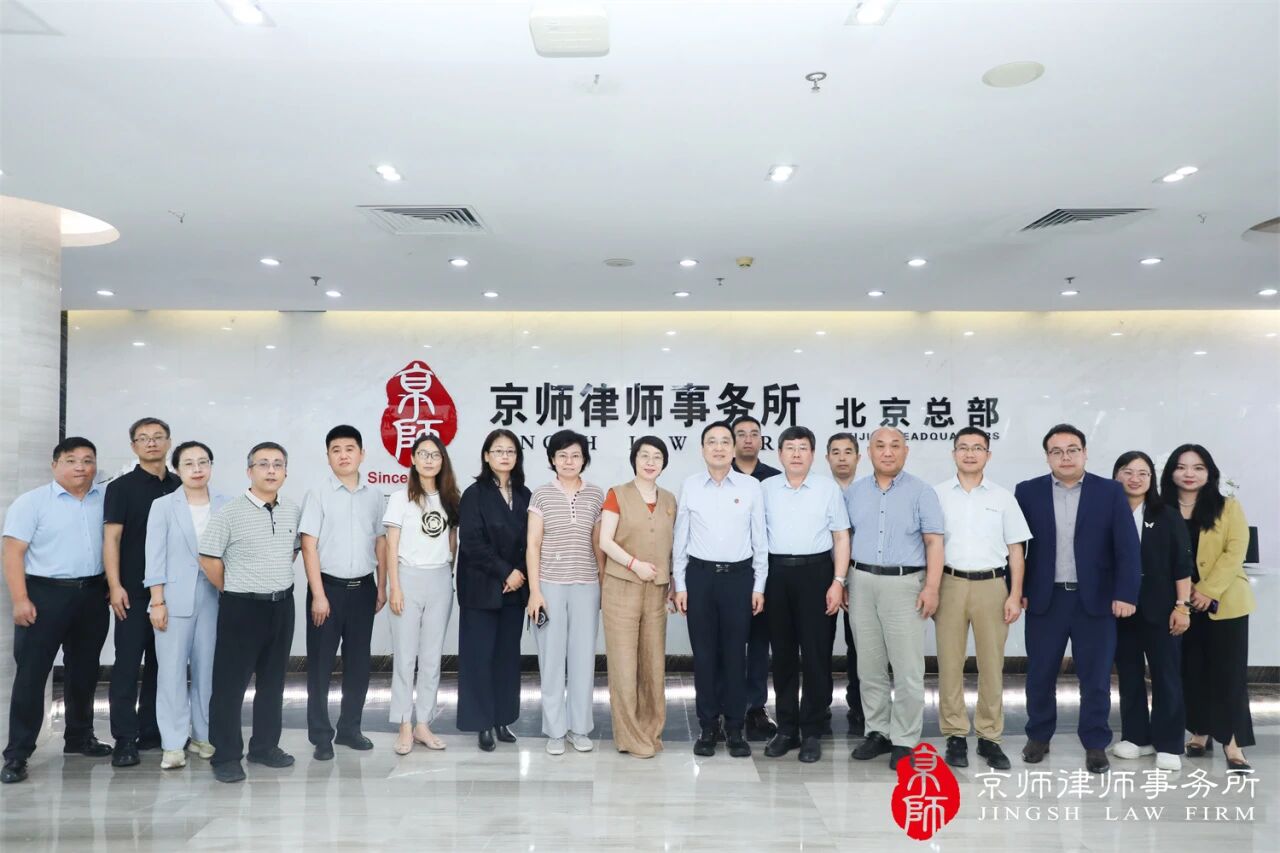
In order to explore the cooperation mechanism between schools, deepen the practical education model, and promote the deep integration of legal theoretical education and legal practice, on the afternoon of August 17, Zheng Xiuying, Secretary of the Party Committee of the Faculty of Liberal Arts of Beijing University of Chemical Technology, Xue Changli, Deputy Dean of the Faculty of Liberal Arts of Beijing University of Chemical Technology, Ren Feng, Deputy Secretary of the Party Committee of the Faculty of Liberal Arts of Beijing University of Chemical Technology, Beijing Chemical Industry Zheng YanyangandXu Jun, deputy deans of the University School of Liberal Arts,Wang Yihe, party branch secretary of the Law Department of the Beijing University of Chemical Technology Liberal Arts School, Zhao Huimiao, director of the Law Department of the Beijing University of Chemical Technology Liberal Arts School, and Li ChaoandFeng Ke, deputy directors of the Law Department of the Beijing University of Chemical Technology Liberal Arts School, visited Jingshi Law Firm for visits and exchanges. Zhang Lingxiao, Secretary and Director of the Party Committee of Jingsh Law Firm, Zheng Xiaoning, Deputy Secretary of the Party Committee and Deputy Executive Director of Jingsh Law Firm,Yao Zhidou, Equity Partner and Director of the Legal Affairs Department of Industry Associations and Chambers of Commerce of Jingshi Law Firm, Equity Partner and Lawyer of Jingshi Law Firm Liu Dongyang**, deputy director of the Intellectual Property Committee of the firm (National),Chen Junli, director of the Corporate Governance Legal Affairs Department of Jingsh Law Firm, and Yan Mingfang**,Ji Jianxun, Hu Lele**,Zhang Cuiying of Jingsh Law Firm warmly received and participated in the discussion. The two parties conducted in-depth exchanges around the theme of "carrying out school-institution cooperation, cultivating research talents, and achieving common development".
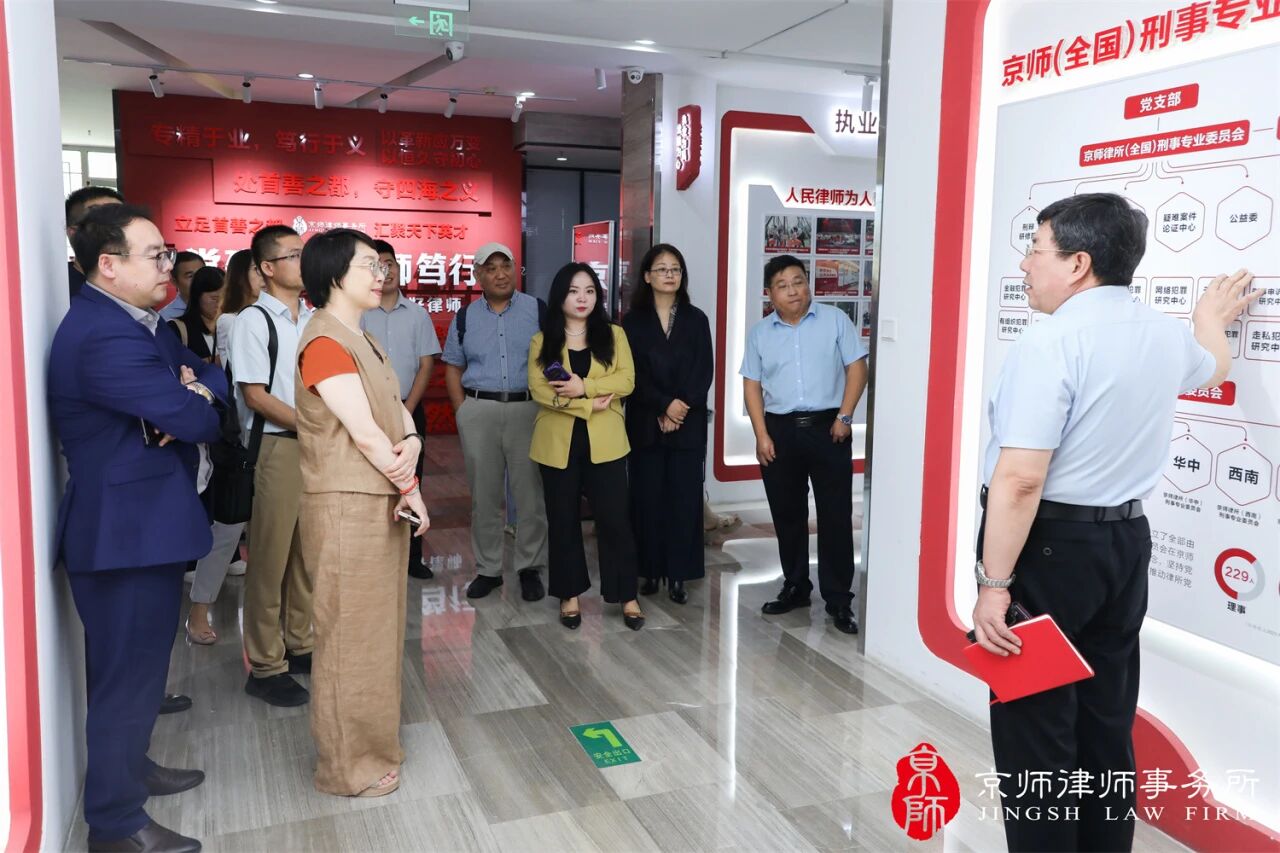
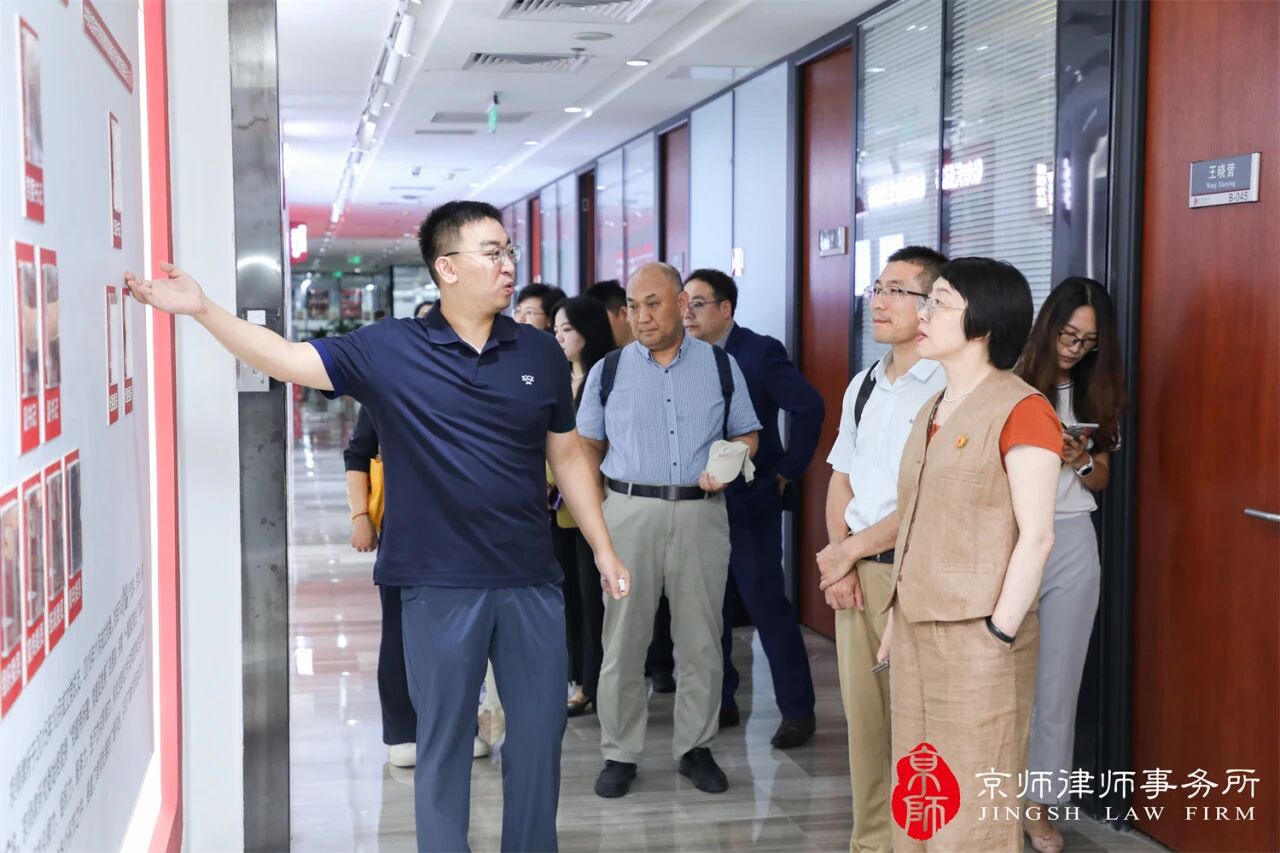
▲Visit
Before the meeting, accompanied by Zheng Xiaoning, deputy secretary of the Party Committee and Executive Deputy Director of Jingshi Law Firm, and Ji Jianxun, a lawyer from Jingshi Law Firm, the leaders of Beijing University of Chemical Technology’s School of Liberal Arts visited Jingshi Law Firm’s party-building cultural corridor, foreign-related cultural wall, mock court, quadrangle, Jingshi Lawyers’ Ceremony and other special areas. They had a preliminary understanding of the law firm’s culture, organizational structure, development concepts and construction achievements, and felt the profound cultural heritage and social responsibility of Jingshi Law Firm.
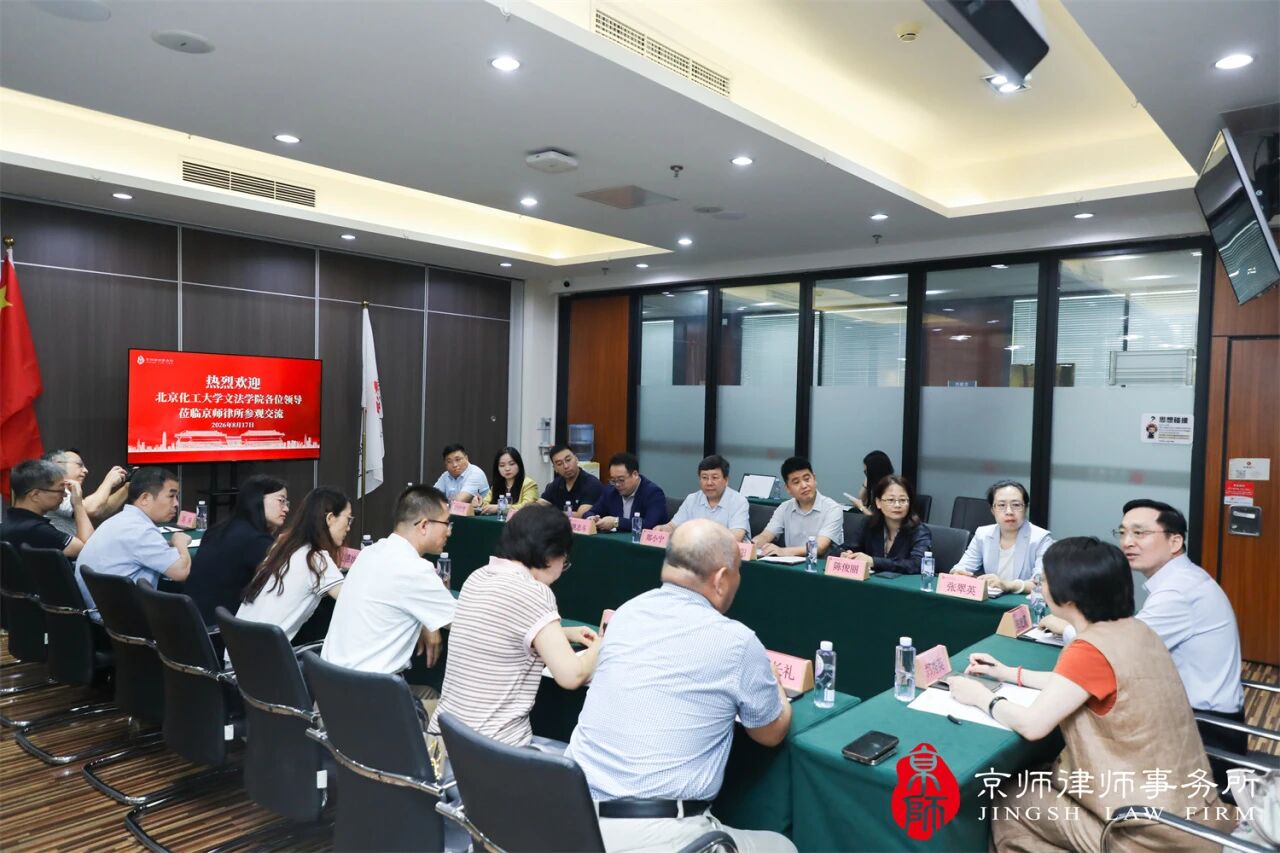
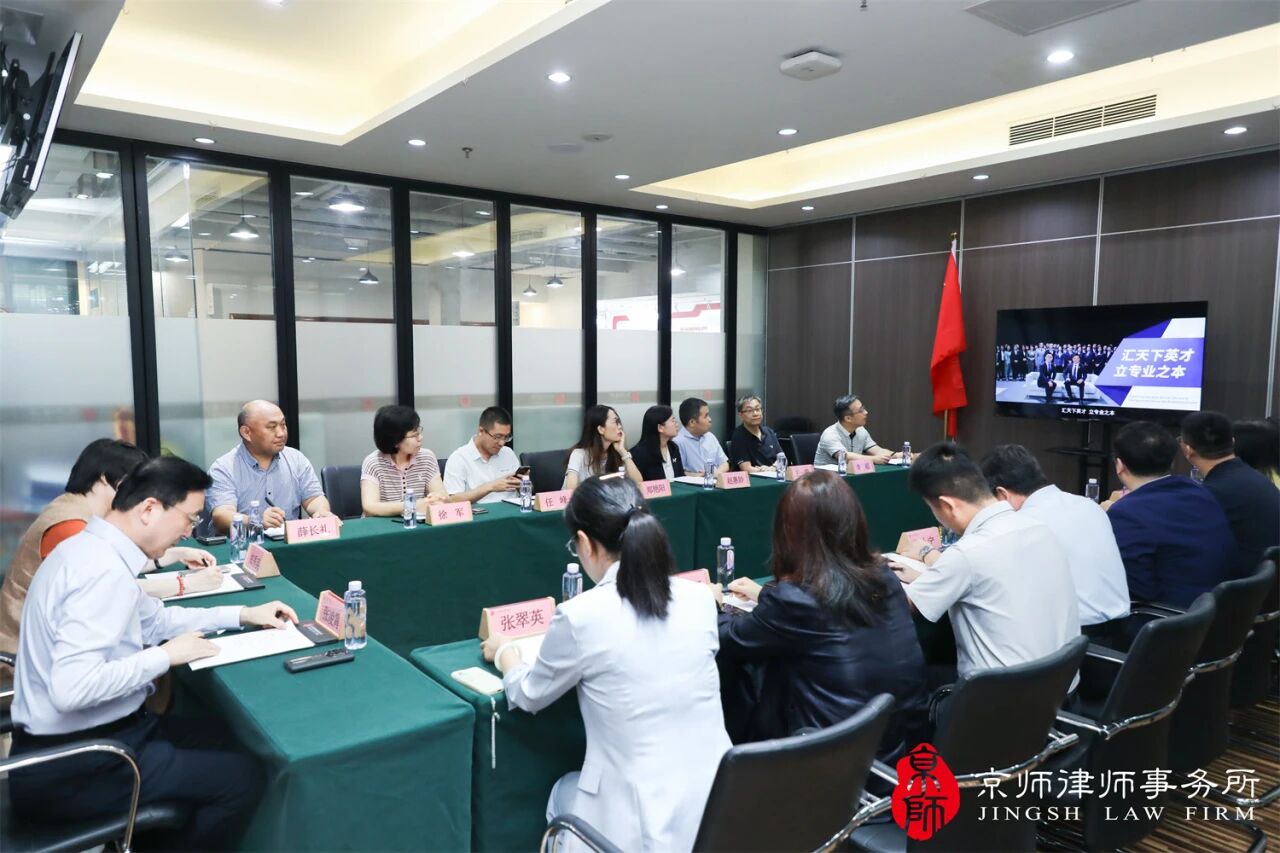
▲Conference site
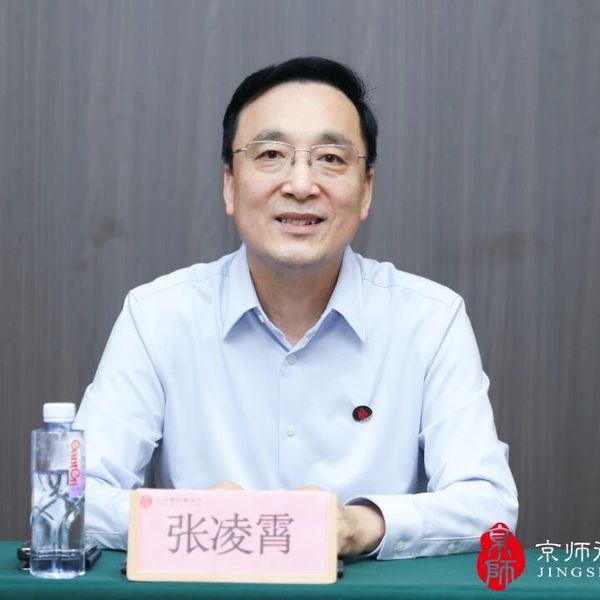
Zhang LingxiaoParty Committee Secretary and Director of Jingshi Law FirmZhang Lingxiao, Secretary of the Party Committee and Director of Beijing University of Chemical Technology, extended a warm welcome to the leaders of the School of Liberal Arts of Beijing University of Chemical Technology. He introduced that Jingshi Law Firm continues to promote large-scale and professional development, and adheres to party building to unite the lawyer team and enhance the sense of belonging and responsibility of the lawyer profession. When it comes to cultivating legal talents, he said that lawyers in the new era must not only have solid legal skills, but also have good humanistic qualities, communication skills and psychological qualities. It is expected that the two parties will deepen cooperation in theoretical research, practical teaching, case studies and other aspects, promote a better connection between the education chain, talent chain and legal practice, jointly cultivate high-quality legal talents with both political integrity and ability, and integrate knowledge and practice, so as to provide more solid talent support for the construction of the rule of law.
Sammi Cheng
Secretary of the Party Committee of the School of Liberal Arts, Beijing University of Chemical Technology
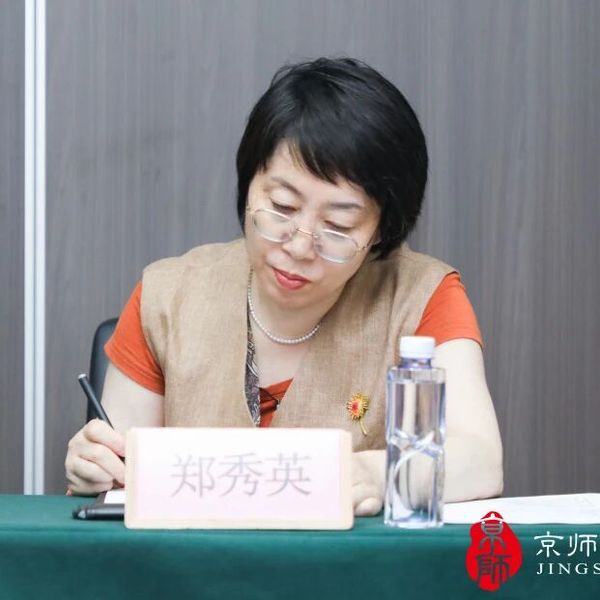
Zheng Xiuying, Secretary of the Party Committee of the School of Liberal Arts of Beijing University of Chemical Technology, introduced that the Law Department of the School of Liberal Arts has been in operation for nearly 30 years. As a training base for outstanding legal talents in the school, Jingshi Law Firm hopes that both parties can carry out collaborative education around party building, student internship practice, and lawyer participation in the mentoring system. She pointed out that the college is actively preparing to establish a major in foreign-related law and hopes to use the rich foreign-related legal services and practical resources of Jingshi Law Firm to transform real cases and industry experience into fresh teaching content. At the same time, it is expected that law firm lawyers will actively participate in the demonstration of talent training plans, provide a practical perspective for the college's curriculum construction and professional development, help students broaden their career horizons, improve their practical abilities, and jointly explore a unique and outstanding legal talent training model.
Zheng Xiaoning
Deputy Secretary of the Party Committee and Deputy Executive Director of Jingsh Law Firm
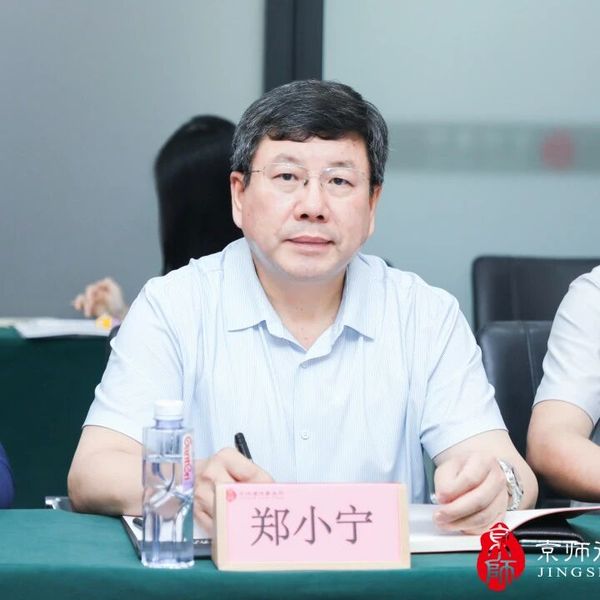
Zheng Xiaoning, deputy secretary of the Party Committee and deputy executive director of Jingshi Law Firm, said that this exchange is an important opportunity to deepen school-firm cooperation and promote the cultivation of legal talents. Based on his experience in handling cases, he said that legal practice in the new era has put forward higher requirements for complex knowledge structures. Lawyers must not only be proficient in law, but also take the initiative to understand natural sciences, industry technologies and other professional fields. Beijing University of Chemical Technology has disciplinary advantages in materials, bioengineering, intellectual property, etc. Both parties can give full play to the cross-cutting advantages of "science and engineering + law" to create characteristics for cultivating intellectual property legal talents in the chemical industry. He pointed out that young lawyers should strengthen their professional ideals, hone their professional abilities and professional character in long-term practice, and jointly promote the construction of a legal professional community.
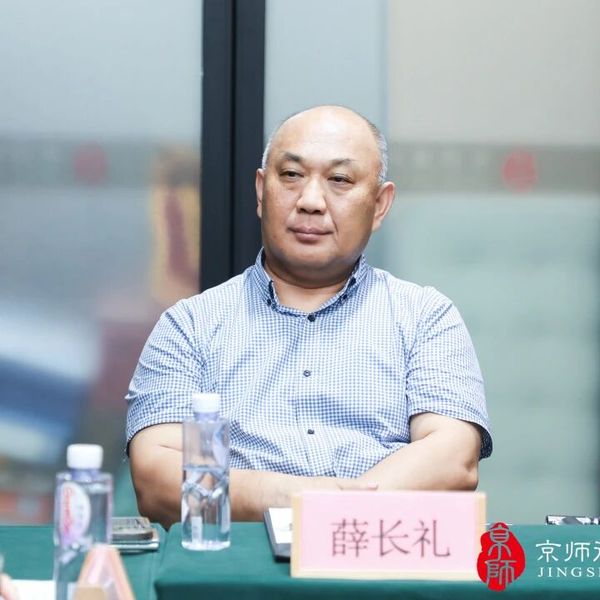
Xue Changli
Vice Dean of the School of Liberal Arts, Beijing University of Chemical Technology
Xue Changli, deputy dean of the School of Liberal Arts of Beijing University of Chemical Technology, said that law firm platforms play an important role in the growth of legal talents. Many outstanding graduates gradually clarify their career positioning through practical experience in different law firms. Therefore, legal education should be more practice-oriented, allowing students to test and deepen the knowledge they have learned in practice. He pointed out that although legal professional ethics has been included in the compulsory courses, the teaching cannot stop at abstract preaching. Real cases should be used to help students understand the specific requirements of professional ethics. At the same time, legal talents cannot be limited to legal knowledge itself, but should actively integrate with professional fields such as materials, chemicals, and intellectual property to form differentiated competitive advantages.
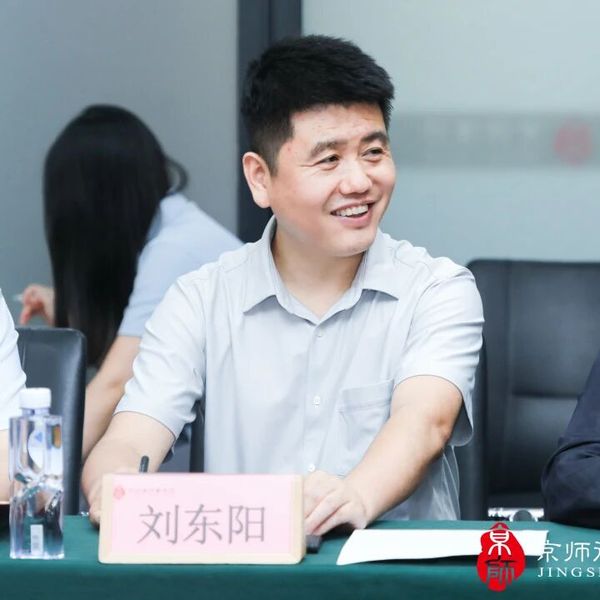
Liu Dongyang
Equity partner of Jingsh Law Firm
Deputy Director of Intellectual Property Committee of Jingshi Law Firm (National)
Liu Dongyang, equity partner of Jingsh Law Firm and deputy director of the Intellectual Property Committee of Jingsh Law Firm (National), pointed out that intellectual property legal services cannot stop at the application of legal provisions, but also require an understanding of corporate business logic and market competition. Based on specific cases, he said that lawyers should make a systematic layout around different rules such as trademarks and patents, and achieve the combination of legal strategies and business goals through multi-case linkage. At the same time, professional fields such as intellectual property are highly dependent on technical support, and lawyers with engineering backgrounds and university experts can provide important assistance in case handling. For talent training, he suggested further strengthening case training to allow students to connect knowledge points from real business scenarios and cultivate "law + business" compound thinking.
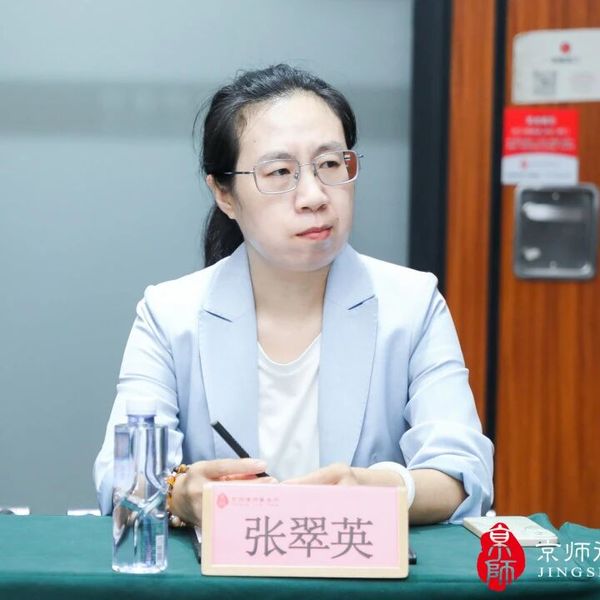
Zhang Cuiying
Jingshi Lawyer
As an alumnus with a background in computer science and a long-term career as a patent agent, Beijing lawyer Zhang Cuiying elaborated on the advantages of the special law training at National Chemical University from the perspective of cross-integration of "technology + law". She pointed out that the patent agency business highly relies on the ability to understand technical solutions. The close integration of science and engineering genes and legal education of the University of Chemical Technology is fertile ground for cultivating high-end intellectual property compound talents, and has opened up a unique development path for students who are interested in this.
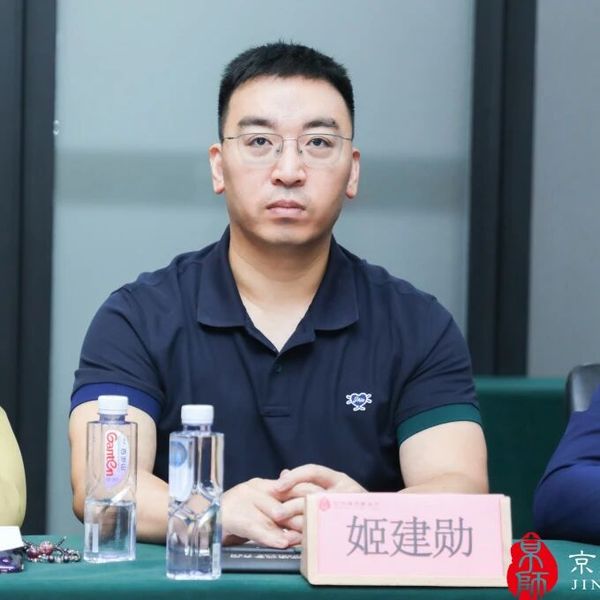
Ji Jianxun
Jingshi Lawyer
Jingshi lawyer Ji Jianxun said that the training of legal talents should give full play to the cross-disciplinary advantages and actively broaden students' employment horizons. Based on his own experience, he said that Beijing University of Chemical Technology students have professional accumulation in vertical fields such as chemical engineering, safety, and medical care. Combining legal knowledge with existing subject backgrounds can form differentiated competitive advantages in the fields of state-owned enterprise legal affairs, production safety, emergency management, housing and construction, and do not need to be limited to traditional legal career paths. At the same time, overseas business, data assets, intellectual property and other fields also provide new development space for young lawyers. He emphasized that caution should be exercised when using AI to assist in case handling, and accurate search and judgment should be conducted around specific dispute points to avoid incorrect information from affecting case study and judgment.
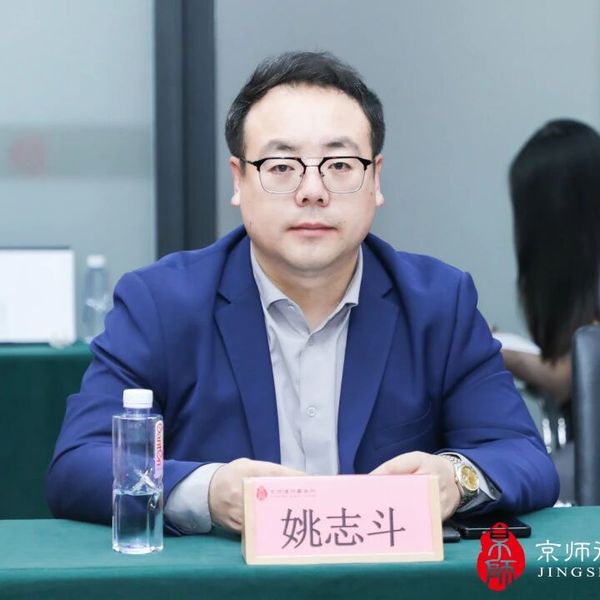
Yao Zhidou
Equity partner of Jingsh Law Firm
Director of Legal Affairs Department of Industry Associations and Chambers of Commerce
Yao Zhidou, equity partner of Jingshi Law Firm and director of the legal affairs department of industry associations and chambers of commerce, said that school-firm cooperation is not only an important bridge for students to move from theory to practice, but also an important path for practical experience to feed back legal education and optimize talent training. As AI technology accelerates its entry into the legal service field, basic paperwork and repetitive work will face more technological substitutions. Young lawyers should actively embrace technology and form differentiated capabilities in emerging fields such as foreign-related law, data compliance, and AI intelligence. He said that Jingshi Law Firm is willing to further open up practical resources and deepen cooperation with universities in practical teaching, career planning and comprehensive talent training, so as to provide a more diversified practical platform for students' growth.
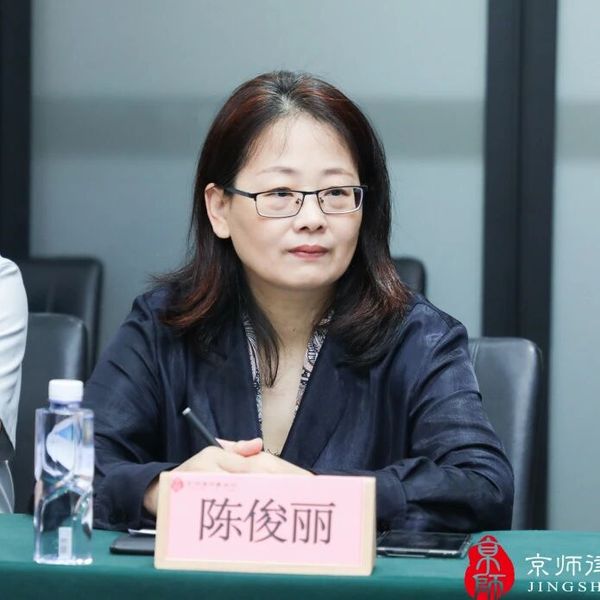
Chen JunliDirector of Corporate Governance Legal Affairs Department of Jingsh Law FirmChen Junli, director of the Corporate Governance Legal Affairs Department of Jingshi Law Firm, said based on more than ten years of practice experience that students entering a law firm for the first time need to improve their comprehensive case analysis, legal retrieval and practical thinking skills through practice. Taking the example of guiding students to study the accelerated expiration of company law, she pointed out that through continuous discussion, students can gradually form a systematic compilation covering judicial interpretations, typical cases and trial guidelines from the initial basic materials, which fully reflects the value of practical training. She suggested that in the future, both parties can allow students to participate more in the entire process of case handling, and at the same time draw on teaching models such as legal clinics to promote two-way empowerment of lawyers' practice and theoretical research in universities, and establish a normalized and long-term cooperation mechanism.
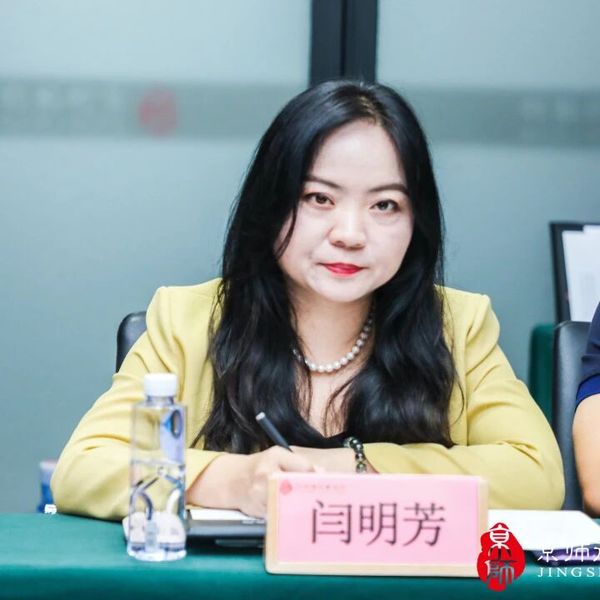
Yan Mingfang
Jingshi Lawyer
Beijing Lawyer Yan Mingfang emphasized that legal education is ultimately a practical study. He hopes to build a regular communication bridge with Beijing University of Chemical Technology, give full play to the role of the "second classroom", provide students with practical training and a platform for experience exchange, and at the same time absorb the cutting-edge theoretical achievements of universities to achieve two-way empowerment. She believes that although AI can replace some document writing tasks, abilities such as court expression, client communication, and on-the-spot response still need to rely on human comprehensive qualities. For young lawyers, a solid professional foundation is important, but it is also indispensable to form a clear understanding of one's own personality, abilities and career positioning. Only by continuously honing communication skills, judgment skills and handling skills in long-term practice can continuous growth be achieved.
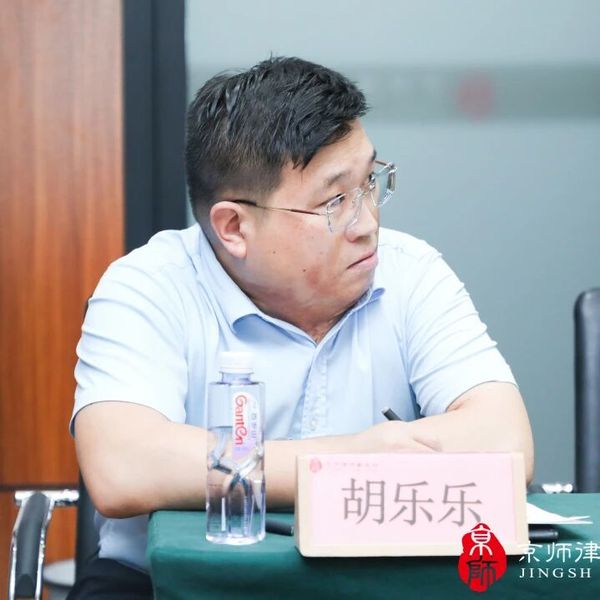
Hu Lele
Jingshi Lawyer
Jingshi lawyer Hu Lele talked about the demand for professional and sophisticated legal talents from the perspective of financial legal services and financial crime defense. He said that the professional threshold for legal business in the financial field is high and requires talents with both legal literacy and financial knowledge. Financial business is often deeply embedded in real industries, especially investment and financing, mergers and acquisitions, and financial crime cases in the fields of chemicals, energy, materials, etc., and it is inseparable from an understanding of the underlying logic of the industry. The University of Chemical Technology has a profound accumulation in chemical engineering, materials, bioengineering and other disciplines, which can provide solid industry knowledge soil for financial and legal talents, and cultivate compound talents who understand both financial legal rules and industrial technology logic. This is also the unique advantage of the school's collaborative education.
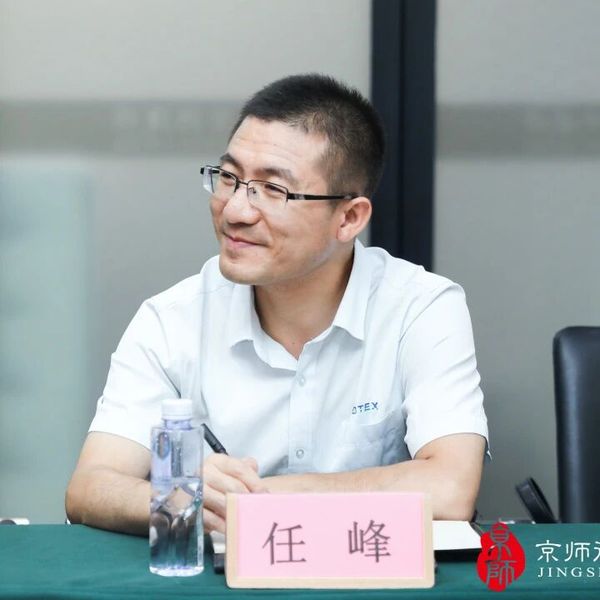
Ren FengDeputy Secretary of the Party Committee of the School of Liberal Arts,Beijing University of Chemical TechnologyRen Feng, deputy secretary of the Party Committee of the School of Liberal Arts of Beijing University of Chemical Technology, combined with students' ideological and political education and employment work, introduced the work carried out by the college in guiding students to establish a correct outlook on career choices and enhance their employment competitiveness. He looked forward to building a broader platform for students to grow and become talents through school-institution cooperation.
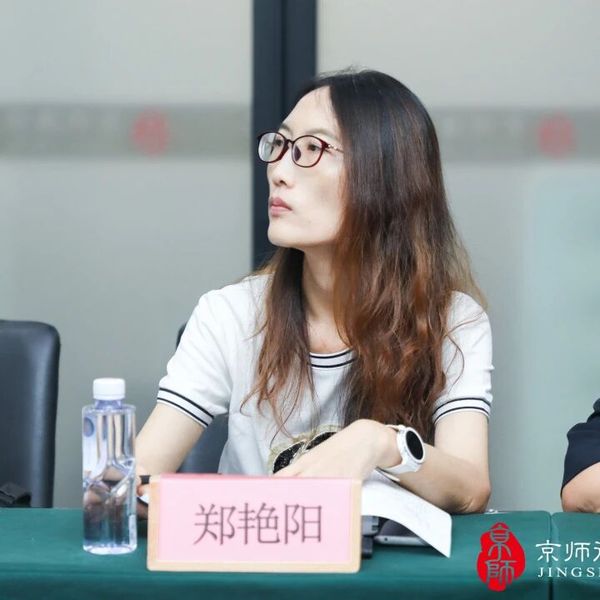
Zheng Yanyang
Vice Dean of the School of Liberal Arts, Beijing University of Chemical Technology
Zheng Yanyang, deputy dean of the School of Liberal Arts of Beijing University of Chemical Technology, said that law is a highly practical subject, and the school hopes to further invite industry lawyers to the campus to help students transform academic knowledge into practical abilities through real case explanations and case interpretations. She pointed out that in addition to internship practice, the college also attaches great importance to the cultivation of students' career aspirations and career vision. It hopes to use the practical experience of alumni, lawyers and industry professionals to provide students with richer career understanding and planning guidance, help students understand the different development paths of the legal profession, and find their own positioning in practice.
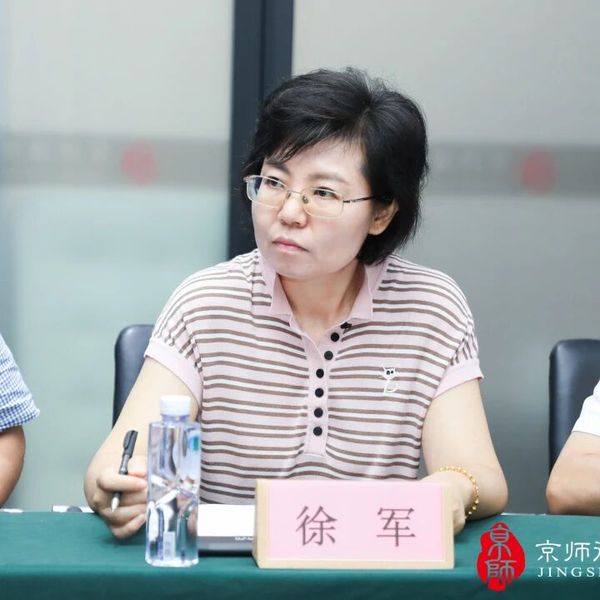
Xu Jun
Vice Dean of the School of Liberal Arts, Beijing University of Chemical Technology
From the perspective of teaching, scientific research and discipline construction, Xu Jun, deputy dean of the School of Liberal Arts of Beijing University of Chemical Technology, introduced the exploration and practice of the school in the reform of talent training models and collaborative education of industry, academia and research, etc. He hoped to use this cooperation as an opportunity to deepen the collaborative linkage between the two parties in areas such as professional construction, practical teaching, and scientific research cooperation.
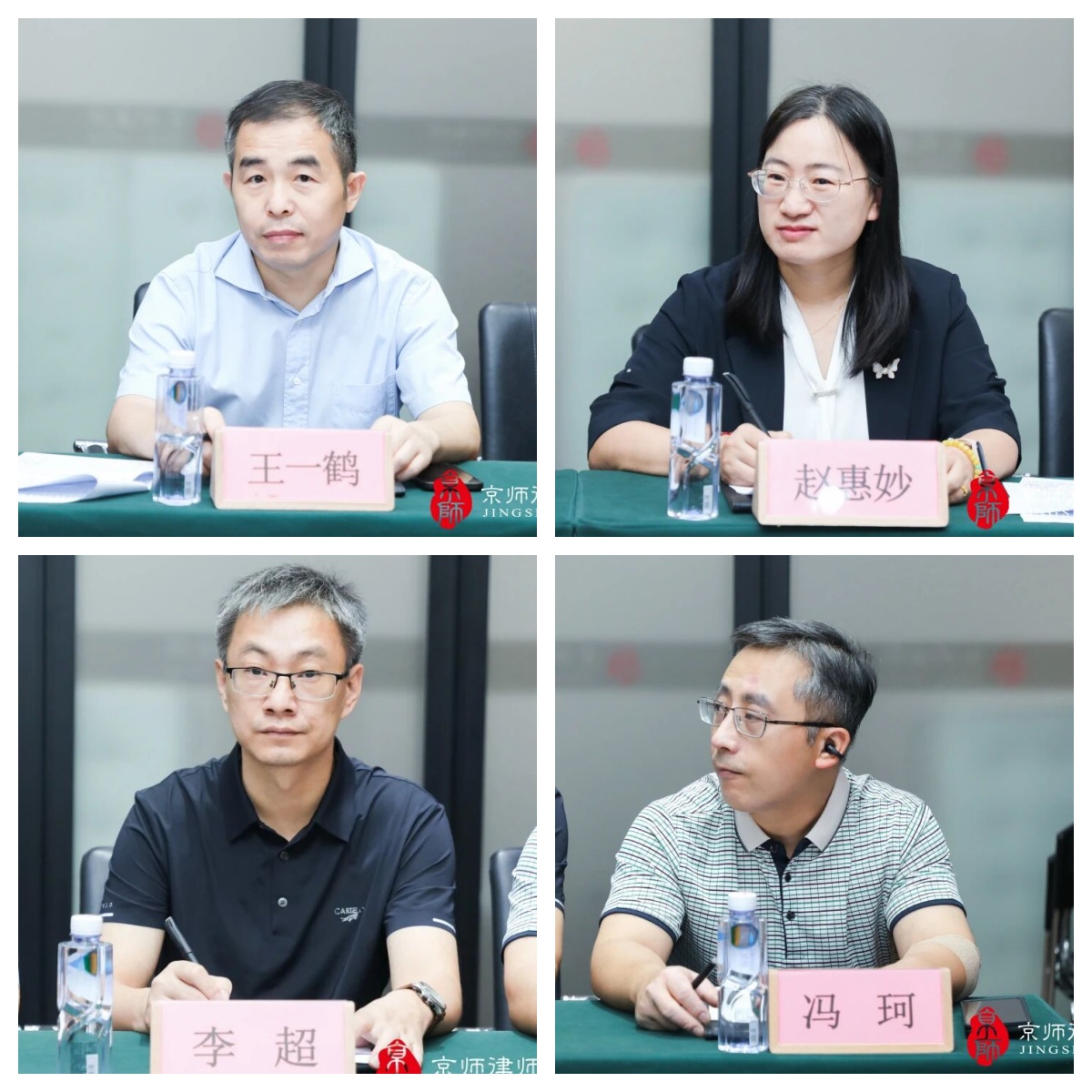
Wang Yihe, Party branch secretary of the Law Department of Beijing University of Chemical Technology, Zhao Huimiao, director of the law department, Li Chao, and Feng Ke, deputy directors, respectively, talked about ideas and measures to improve the quality of legal talent training from the perspectives of party building and professional integrated development, law major construction, curriculum setting, and practical teaching. They also expressed that they would actively promote in-depth docking with Jingshi Law Firm in all aspects of talent training, and transform the results of job visits to companies into tangible educational results.
Subsequently, the participants conducted in-depth discussions on topics such as the school-institution collaborative education mechanism, student internship practice, construction of foreign-related law majors, and intellectual property talent training. Combining the needs of university talent training and legal practice, the two parties had full exchanges on further integrating school resources, expanding cooperation carriers, and improving the practical teaching system, and the atmosphere was warm.
This exchange not only deepened the communication between the School of Liberal Arts of Beijing University of Chemical Technology and Jingshi Law Firm, but also laid a good foundation for both parties to promote the collaborative cultivation of outstanding legal talents and realize the complementary advantages of educational resources and practical resources. In the future, Jingshi Law Firm will give full play to its legal practice platform and professional talent advantages, explore more pragmatic measures in areas such as course co-construction, case teaching, and scientific research collaboration, promote the deepening of school-firm cooperation from "signing" to "implementation", and from "single point" to "system", and contribute more wisdom and strength to the construction of the rule of law in the new era.