
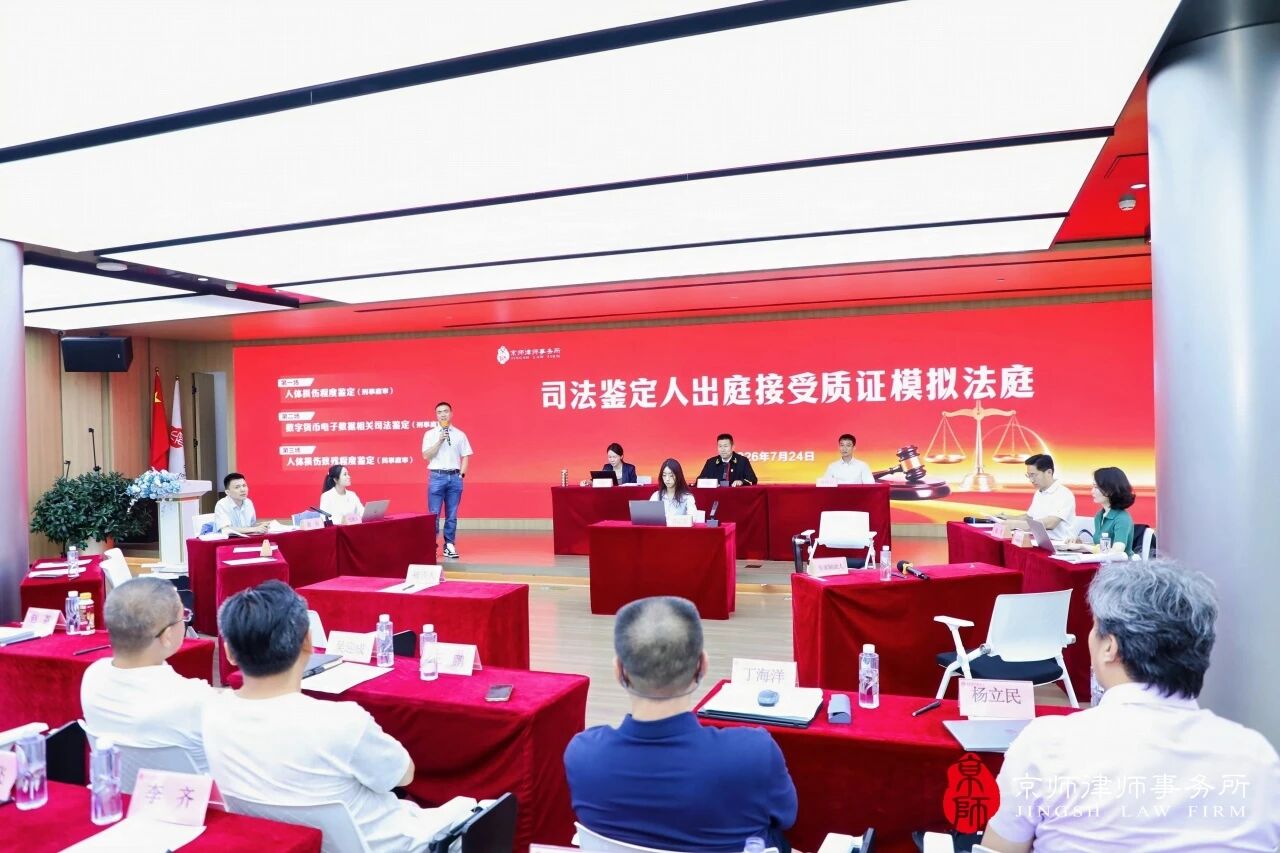
On July 24, 2026, the mock court event for judicial experts to appear in court for cross-ex amination was successfully held at Jingshi Law Firm. This event was jointly sponsored byBeijing Jingshi Law Firm and Be ijing Hengxu Huachuang Forensic Appraisal Institute. It aimed to explore the substantive review path of judicial appraisal opinions by simulating real court trial scenarios, and improve the practical ability of lawyers, forensic appraisal personnel and other legal communities to participate in professional evidence review and cross-examination. The event was hosted by Wang Xibin, deputy director of the Criminal Defense Training Institute of the Criminal Committee of Jingshi Law Firm (National) and director of the Financial Crime Legal Affairs Department.
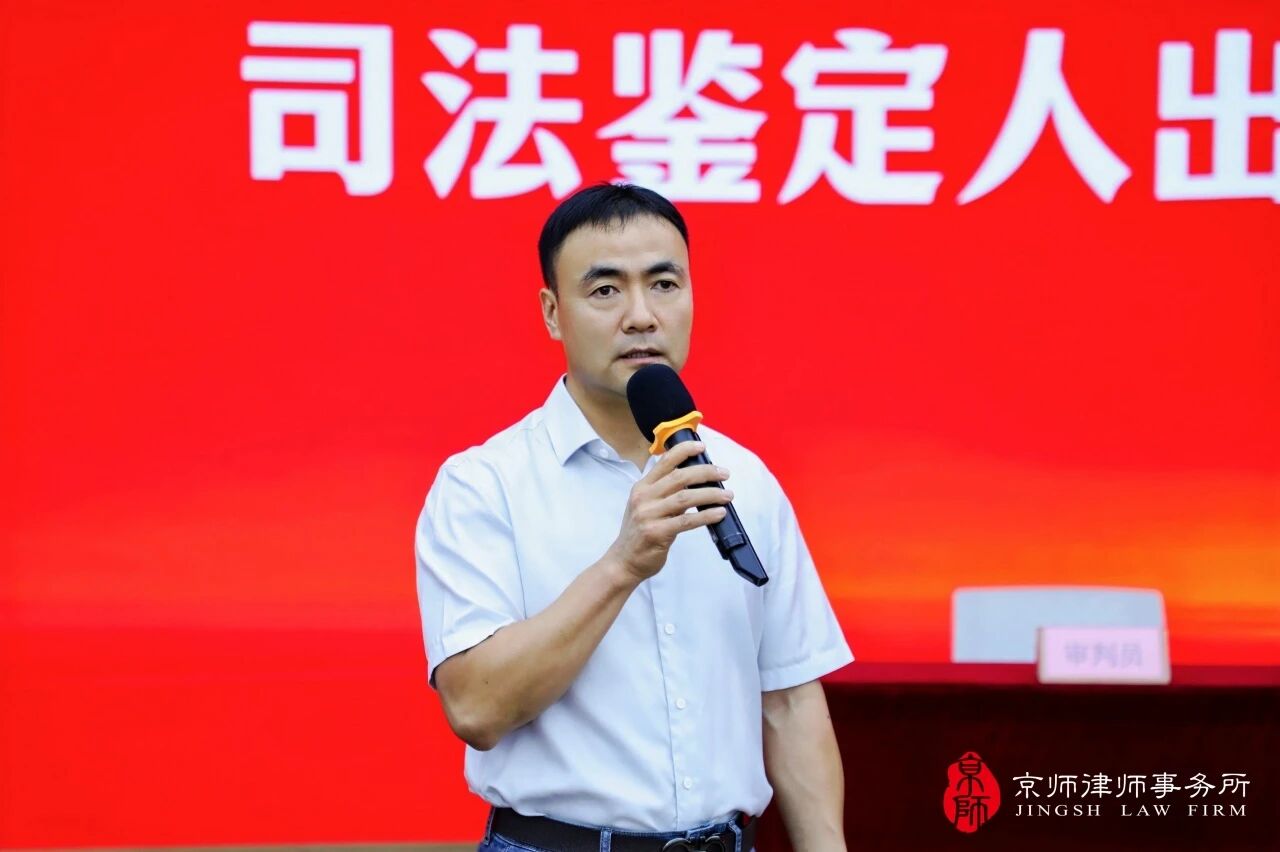
▲Wang Xibin, deputy director of the Criminal Defense Training Institute of the Criminal Committee of Jingshi Law Firm (National) and director of the Financial Crime Legal Affairs Department
Scene 1:Identification of the degree of human injury (criminal trial)
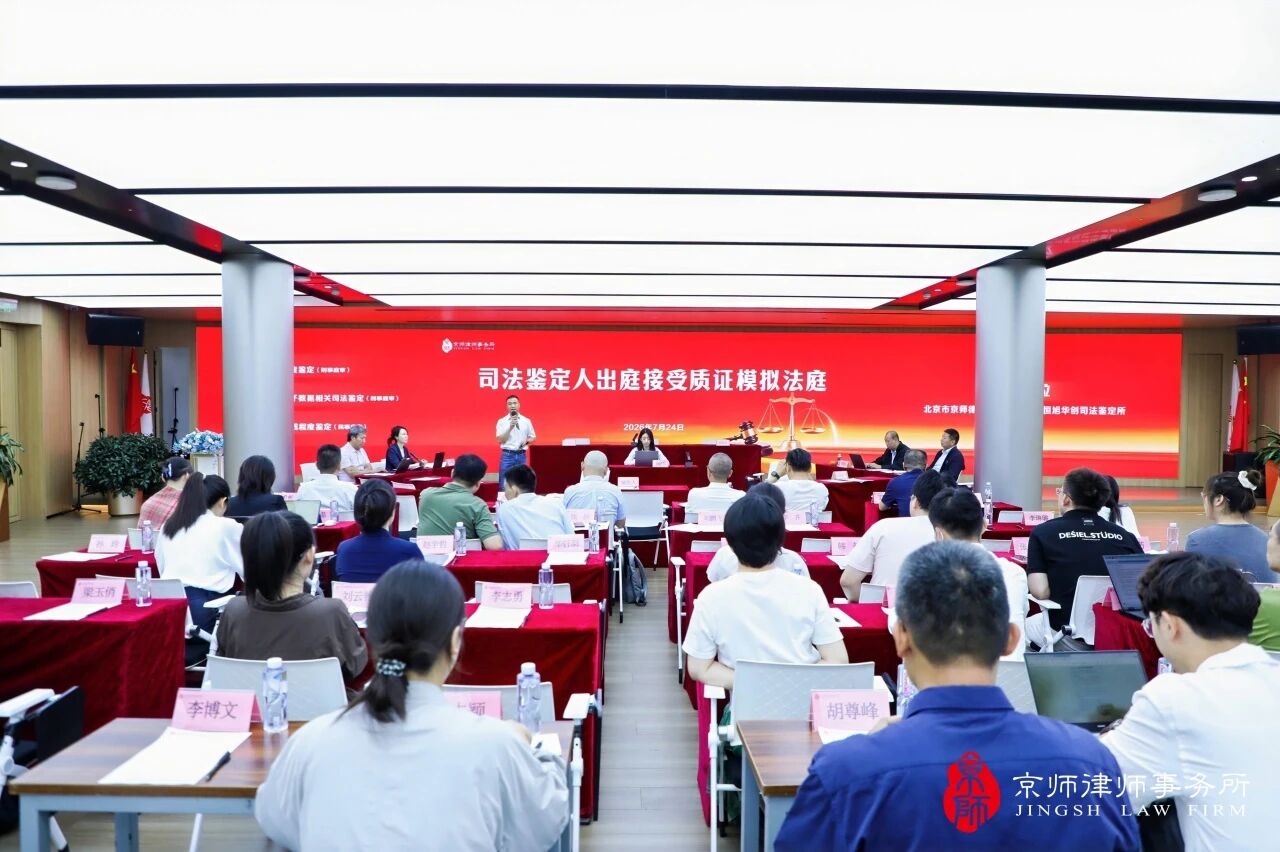
In the first mock court, Jingshi lawyer Wang Xibin served as the presiding judge, and Jingshi lawyers Zheng Jingjing and Zhao Yuzhe served as the people's assessors to form a collegial panel; Jingshi lawyers Sun Lingand Yang Limin served as prosecutors,and Jingshi lawyers Zhao Liand Peng Yunchuan served as defenders; Beijing Hengxu Huachuang Forensic Appraisal Institute's forensic appraiser Wang Xinlei and others served as appraisers; Dr. Wang Peng, head of the Beijing Hengxu Huachuang Forensic Appraisal Institute and forensic expert, was specially invited to serve as expert assistants. This mock court selects Typical Intentional Injury Cases as the background, focusing on the core evidence of judicial appraisal opinions of personal injuries, and completely restores the practical scenes of the review of appraisal opinions, the appearance of appraisers in court, and the participation of expert assistants in cross-examination in criminal trials.
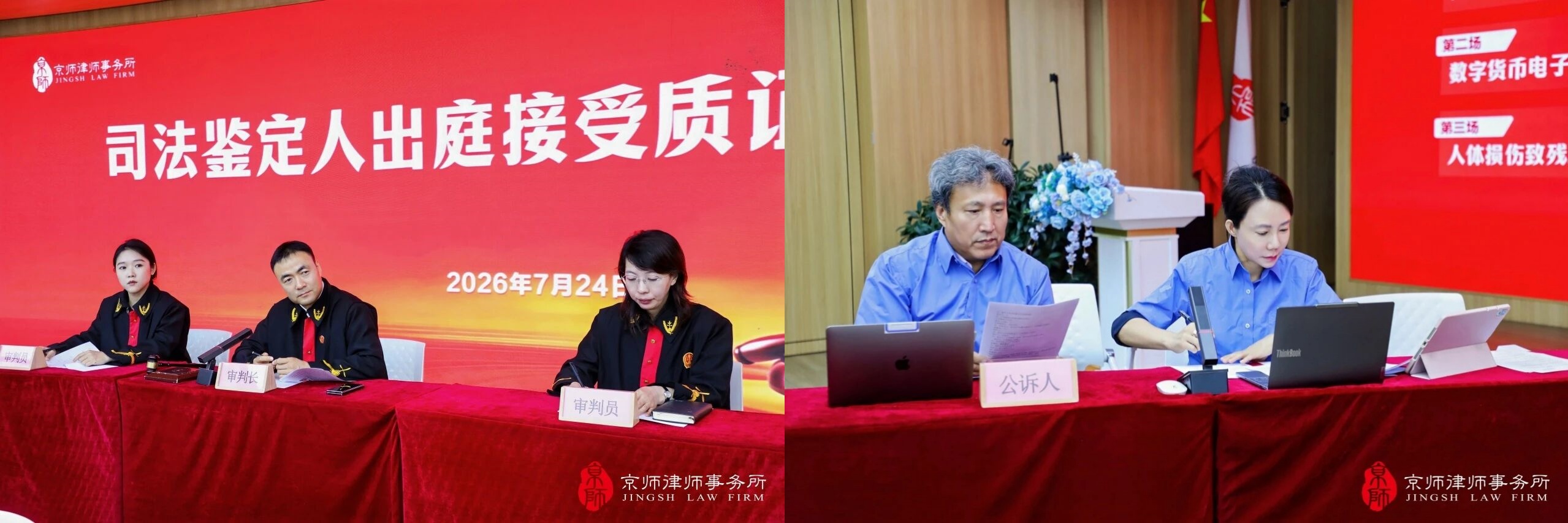
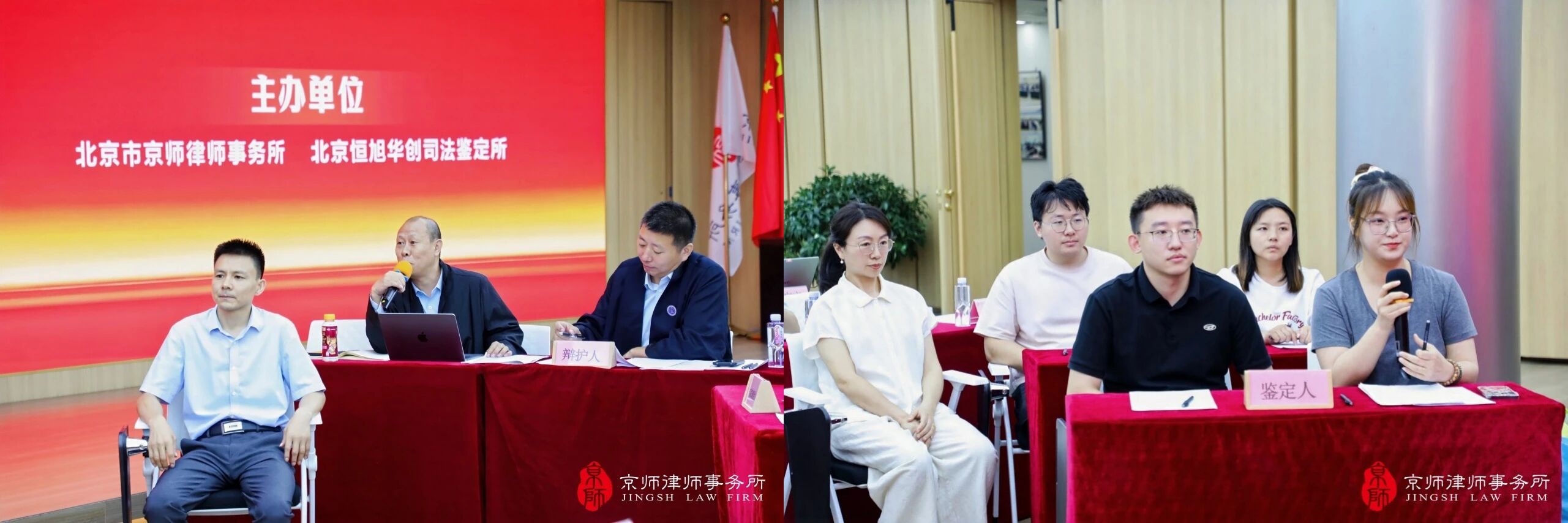
During the trial, the defense applied for expert assistants to appear in court to participate in simultaneous cross-examination in accordance with Article 26 of the Trial Investigation Procedures. The prosecution had no objection and applied for five appraisers to appear in court together to accept centralized cross-examination, citing Article 27, paragraph 2. The collegial panel reviewed and decided in accordance with the law to allow expert assistants and all appraisers to undergo centralized cross-examination. After verifying the identity and signing a letter of guarantee to testify truthfully, the prosecution and defense launched targeted inquiries around the identification procedures, assessment standards, identification basis and conclusion formation process. Expert assistants conducted in-depth analysis of the appraisal opinions from a professional perspective, effectively improving the professionalism and substantiveness of the cross-examination. Subsequently, the two sides launched a full debate on the evidentiary validity of the appraisal opinions. After fully hearing the opinions of all parties, the collegial panel adjourned the hearing and resumed the hearing at a later date.
This mock court focused on the practical difficulties in the review of judicial appraisal opinions. It further strengthened lawyers' evidence review and cross-examination capabilities through a real-life drill on the mechanism for witnesses and expert assistants to appear in court for cross-examination, and enhanced the awareness of judicial appraisal personnel on the standards for appearing in court. It provided a practical sample with reference value for professional evidence review in criminal cases.
Second game:Forensic appraisal related to digital currency electronic data (criminal trial)
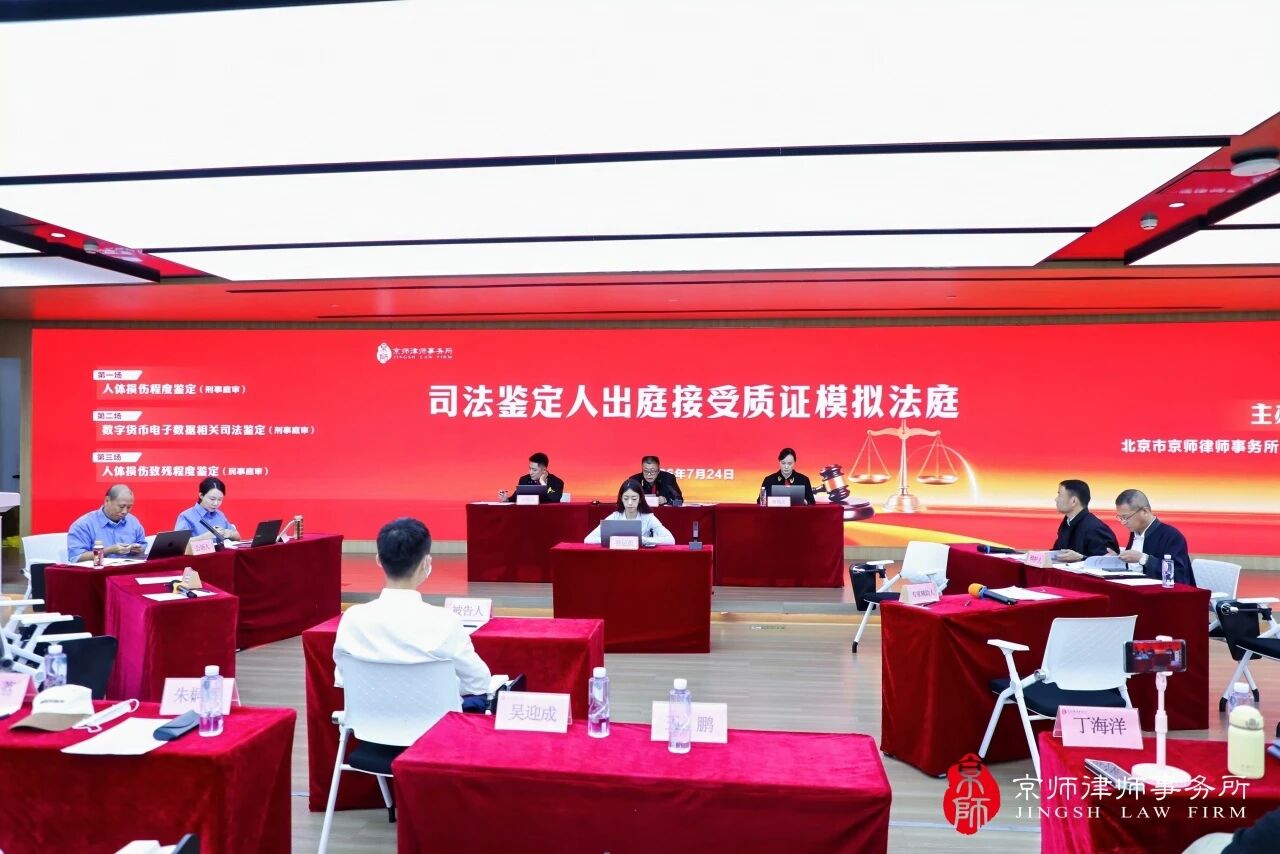
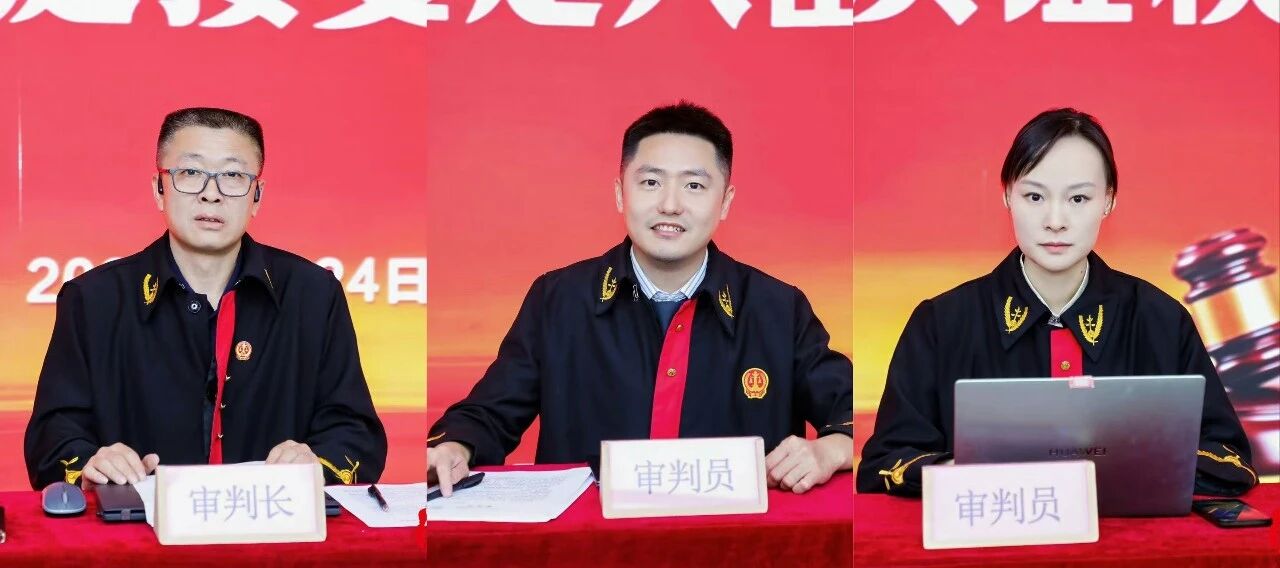
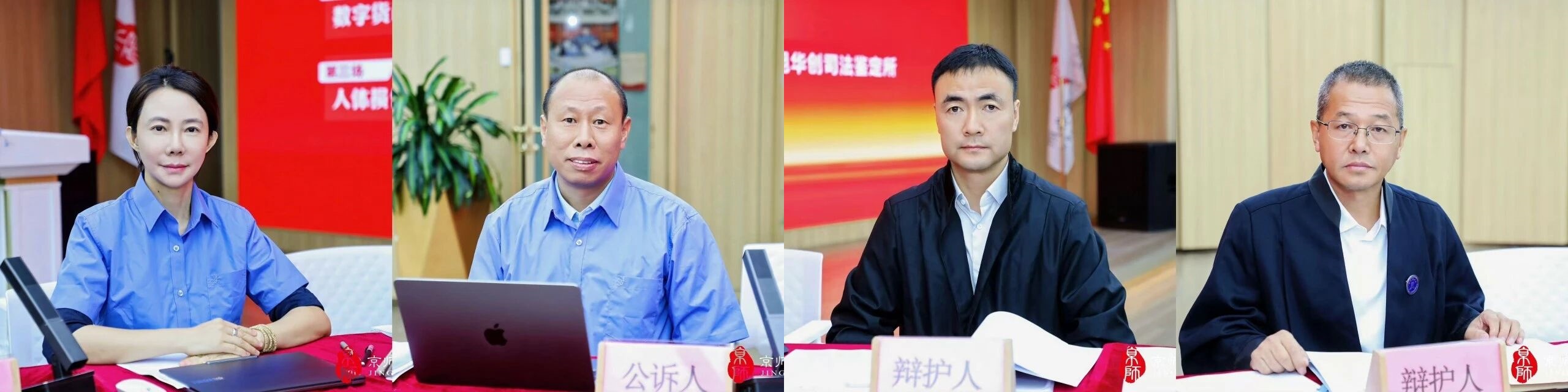
In the second moot court, Jingshi lawyer Ding Haiyang served as the presiding judge, Jingshi lawyers Li Qi and Tian Xiangwen served as people's assessors to form a collegial panel; Jingshi lawyers Sun LingandZhao Liserved as prosecutors,Jingshi lawyers Wang XibinandWu Yingchengserved as defense lawyers,and Dr. Zhu Tonghui, associate professor of Nankai University School of Law and electronic data forensic appraiser,was specially invited to serve as an expert assistant. This mock courtis based on real and difficult cases of Bitcoin and TEDA virtual currency theft**, focusing on key issues such as electronic data review, cross-examination of professional research and judgment reports, and fact determination in virtual currency cases. It also conducts full-process court trials around cutting-edge practical issues such as blockchain data traceability, IP address comparison, and expert opinion review.
▲Dr. Zhu Tonghui, associate professor at Nankai University School of Law and electronic data forensic appraiser
During the trial, the prosecution and defense conducted cross-examinations around the legality, authenticity and completeness of the research and judgment report, focusing on in-depth discussions on issues such as electronic data traceability, IP address verification, and professional research and judgment basis. Expert assistant Dr. Zhu Tonghui conducted technical analysis on professional issues such as IP positioning, equipment registration, and base station verification, and provided professional opinions for the review of case evidence. Focusing on the controversial issues such as whether the investigation report should be excluded, whether further supplementary identification is needed, and the suitability of the suspect, the prosecution and defense launched full debates. The collegial panel presided over the entire hearing in a standardized manner, and after systematically sorting out defects in electronic evidence and technical disputes, adjourned the hearing and scheduled deliberations at a selected date.
This mock court focused on the difficulties in reviewing electronic evidence in new cybercrime cases. By introducing expert assistants to participate in the cross-examination mechanism, it promoted the in-depth integration of legal judgment and technical analysis, and provided practical reference for evidence review and fact determination in the handling of new criminal cases such as virtual currencies.
**Scene 3:**Identification of the degree of disability due to human injury (civil court trial)
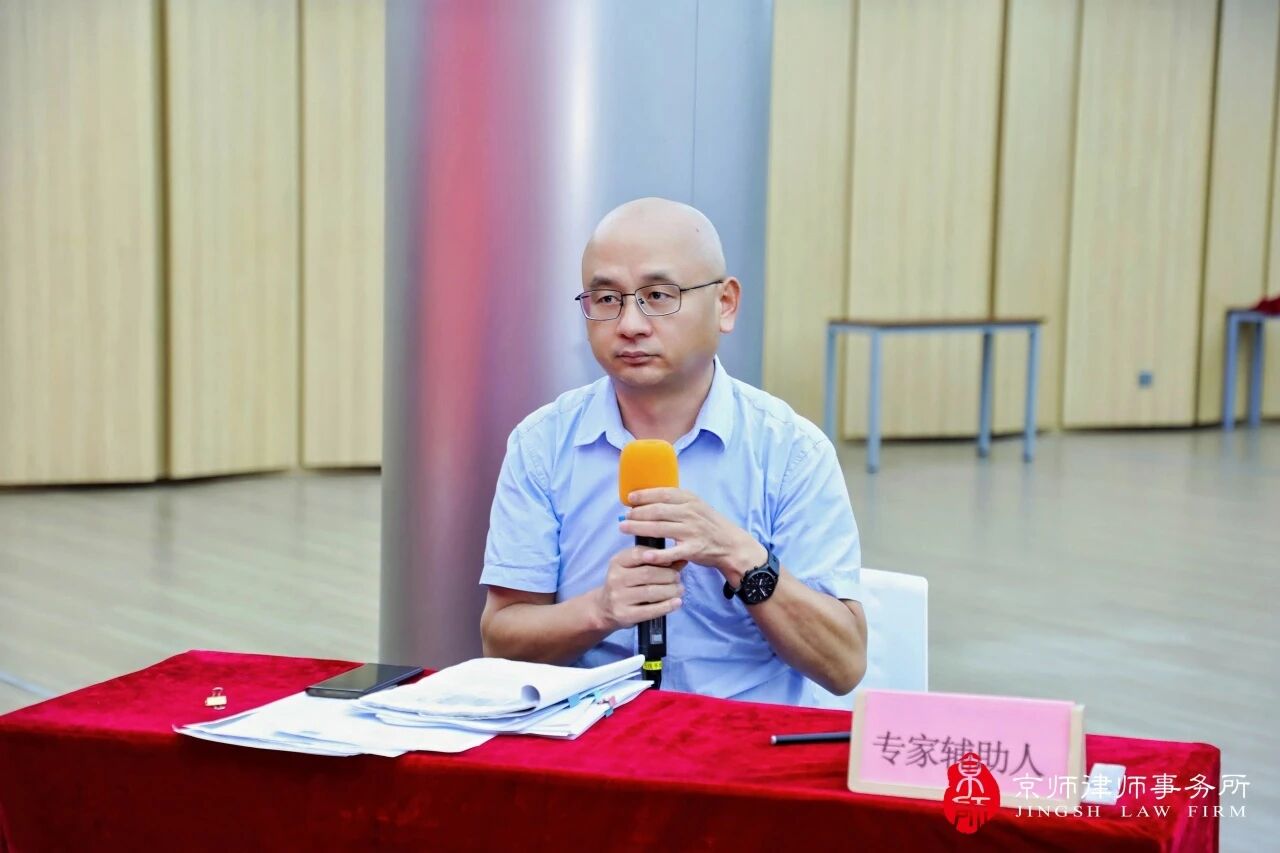
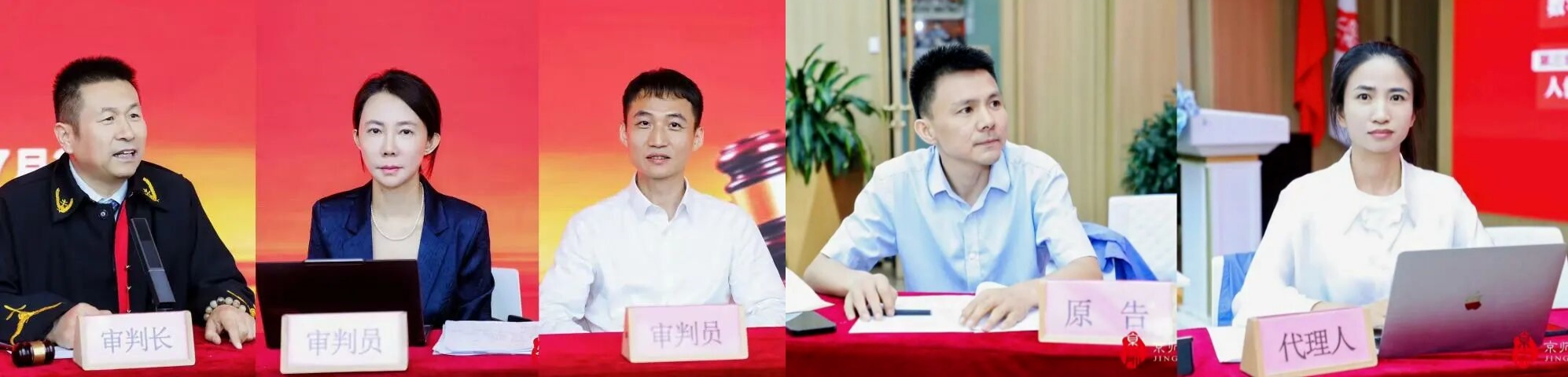
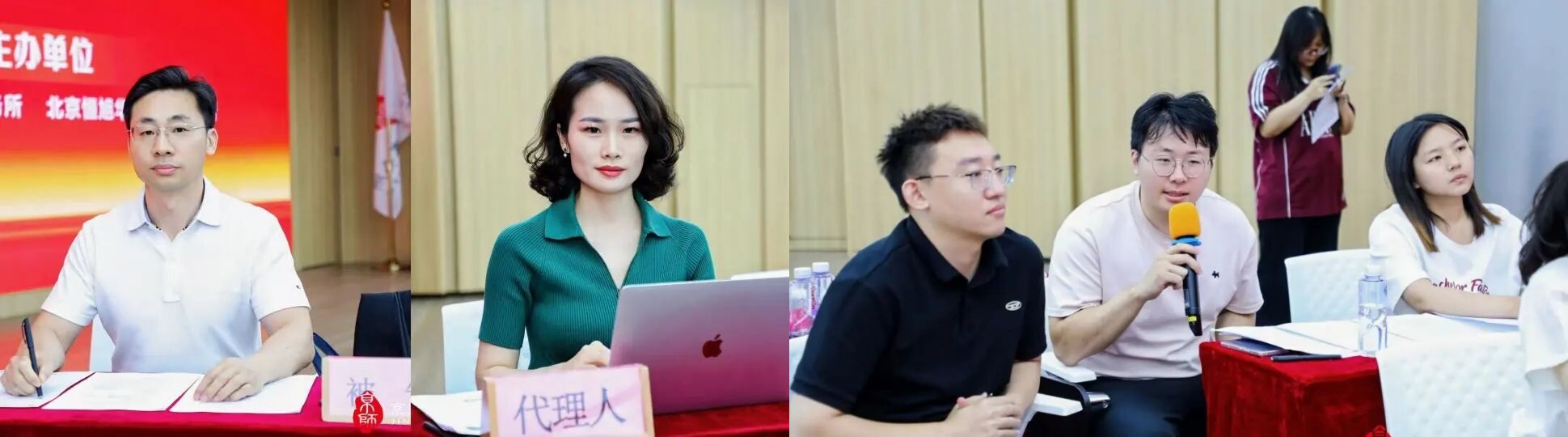
In the third moot court, Jingshi lawyer Peng Yanbinserved as the presiding judge,Jingshi lawyersSun Lingand Tan Mingserved as people's assessors to form a collegial panel;Jingshi lawyersZhang Sha and Guo Xueyingserved as the plaintiff's attorney,and Jingshi lawyerLiu Pengfei, Zi Yanyan served as the defendant's attorney;Wang Xinlei, a forensic expert from the Beijing Hengxu Huachuang Forensic Identification Institute, and others served as appraisers; Dr. Wang Peng, the head of the institution and a forensic expert from the Beijing Hengxu Huachuang Forensic Identification Institute, was specially invited to serve as an expert assistant. This moot court focused onLi's comp ound disability dispute caused by electrical injury, focusing on the practical difficulties of civil case identification such as multi-level disability assessment, three-stage assessment, and injury causation. Through the cross-examination model of appraisers and expert assistants in the same court, a full-process court trial was carried out to improve legal practitioners' ability to review and cross-examine forensic clinical identification opinions.
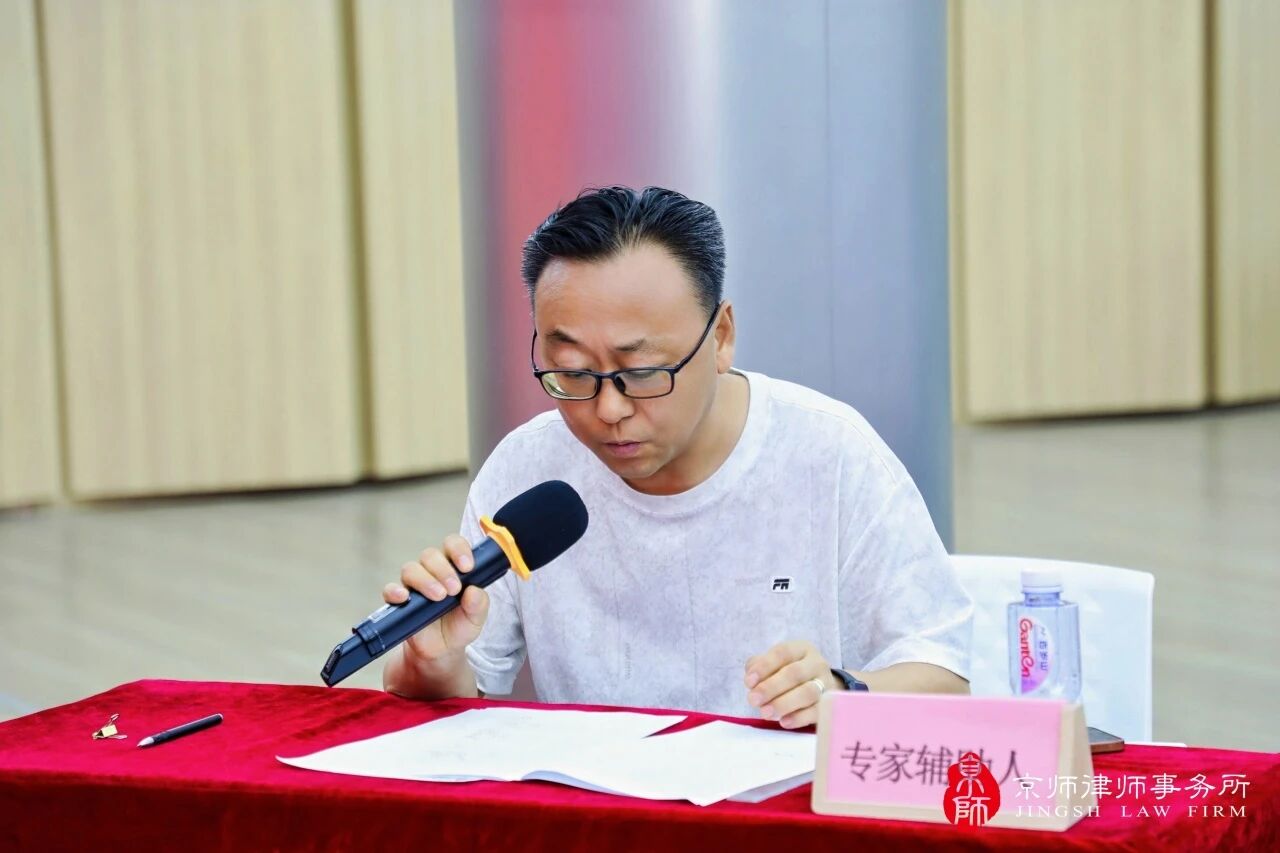
▲Wang Peng, head of Beijing Hengxu Huachuang Forensic Appraisal Institute and forensic expert
The court hearings strictly follow the investigation procedures for civil and criminal trials, and organize appraisers and expert assistants to appear in court and accept questioning simultaneously. The plaintiff presented evidence focusing on the legality and objectivity of the judicial appraisal opinions, while the defendant raised defenses on issues such as disability assessment, causality, and three-phase assessment. The appraiser explained in detail the appraisal process, physical examination standards, film readings and assessment basis; expert assistant Dr. Wang Peng conducted an in-depth analysis of controversial issues such as disability superposition rules, identification of sequelae, and three-phase assessment standards from the perspective of forensic medicine. After both the prosecution and the defense fully expressed their opinions, the collegial panel systematically sorted out the evidence review and adjudication ideas in compound disability cases, and announced an adjournment for deliberation at a later date.
This mock court uses the dual-professional appearance mode of "appraiser + expert assistant" to strengthen the substantive review of professional appraisal opinions in civil cases, promote the transformation of evidence cross-examination in personal injury dispute cases from formal review to substantive review, promote the review of judicial appraisal opinions to be more standardized and professional, and provide useful practical reference for the handling of related cases.
This mock court event is an important practice for Jingshi Law Firm to continue to deepen its professionalization and explore the integrated development of legal practice and professional technology. By restoring real court trial scenes, the event promotes full exchanges between lawyers, forensic experts, and expert assistants around professional evidence. It not only improves the practical ability of legal service personnel to handle difficult and complex cases, but also promotes the standardized development of the judicial review opinion review mechanism.
In the future, Jingshi Law Firm will continue to focus on the needs of handling new and difficult cases and the field of professional evidence review, conduct mock courts, business seminars and professional exchange activities on a regular basis, continuously improve the level of professionalism and refinement of legal services, and contribute to the advancement of judicial justice and the high-quality development of the legal industry.